Share:
How to Choose a Lab Grown Diamond Necklace That Actually Suits You
A necklace can change the feel of an outfit without requiring much effort. The right design can work with a simple shirt, a formal dress, or traditional Indian wear, which is why necklaces remain a popular jewellery choice for both everyday wear and special occasions.

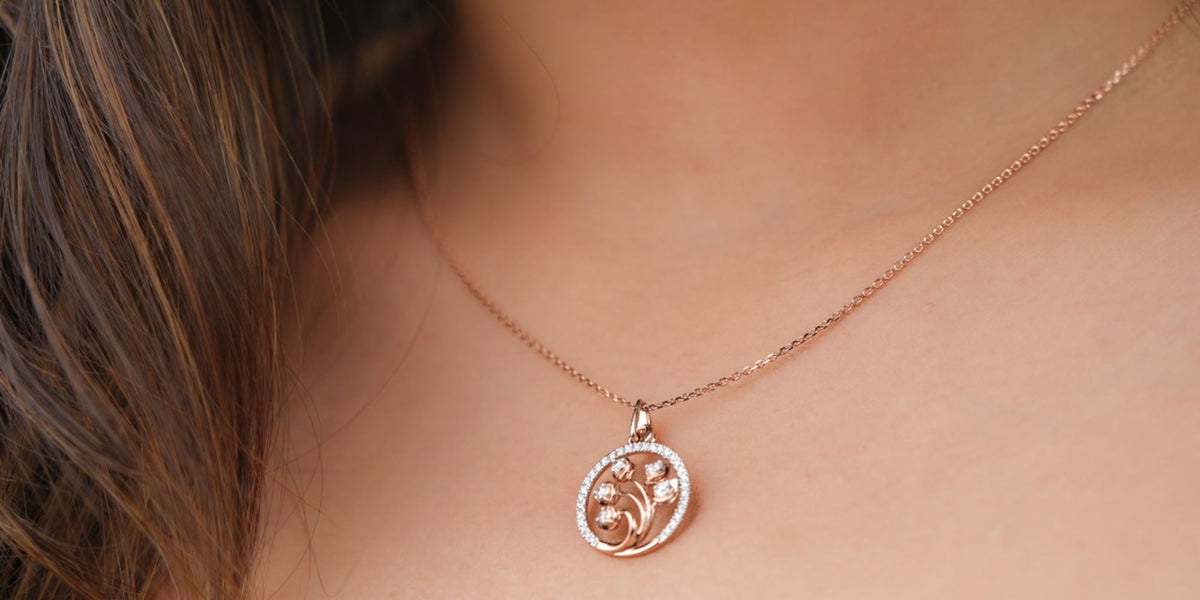
A necklace can change the feel of an outfit without requiring much effort. The right design can work with a simple shirt, a formal dress, or traditional Indian wear, which is why necklaces remain a popular jewellery choice for both everyday wear and special occasions.
Lab grown diamonds have also made diamond jewellery more accessible to shoppers who want the characteristics of a diamond while considering alternatives to traditionally mined stones. But choosing a necklace is about more than simply picking a diamond design. The setting, chain, diamond shape, length, metal and overall proportion all affect how the finished piece looks and wears.
If you are considering a lab grown diamond necklace, a few practical details can make the buying process much easier.
Start With the Way You Plan to Wear It
Think about your wardrobe before looking at individual designs.
A delicate pendant is usually easier to wear every day because it does not dominate an outfit. It can work with office clothing, casual tops and simple dresses. A larger pendant or a necklace with multiple stones may make more sense for weddings, celebrations, dinners and other occasions where jewellery is expected to stand out.
This also affects the chain length you should consider. Shorter necklaces tend to sit closer to the collarbone, while longer styles can create a different visual line around the neckline of an outfit.
There is no universally correct length. The neckline of your clothes, your preferred style and the size of the pendant should all be considered together.
Understand What "Lab Grown" Means
A lab grown diamond is a diamond produced using controlled technological processes rather than being extracted from a mine. The two main production methods are Chemical Vapor Deposition (CVD) and High Pressure High Temperature (HPHT).
Lab grown diamonds have the same basic chemical composition and crystal structure as natural diamonds. They are also graded using characteristics such as the familiar 4Cs: cut, colour, clarity and carat weight.
This does not mean every lab grown diamond looks identical. Two diamonds with the same carat weight can look quite different depending on their cut, proportions and clarity characteristics.
That is why the product specifications deserve attention rather than choosing purely by carat weight.
Pay Close Attention to Cut
For a necklace, the way a diamond handles light can have a noticeable effect on its appearance.
Cut refers to how well a diamond has been proportioned and finished to interact with light. A well-cut stone can appear lively and bright, while a poorly cut stone may not have the same visual impact even if it has a larger carat weight.
This is particularly relevant when comparing necklaces with similar designs. Instead of assuming that the heavier diamond is automatically the better choice, look at the overall cut quality and how the stone appears from normal viewing distance.
For jewellery that will be worn frequently, visual appeal and wearability usually matter more than simply choosing the largest available stone.
Choose the Diamond Shape Around Your Style
Different diamond shapes create noticeably different looks.
Round diamonds are a traditional choice and work well with both classic and contemporary jewellery. Oval diamonds can create an elongated appearance, while pear-shaped stones have a more distinctive silhouette. Princess and emerald cuts offer a different visual character and can suit people who prefer geometric designs.
The shape should also work with the pendant setting. A stone that looks attractive on its own may produce a very different result when combined with a particular metal, setting and chain.
If you are unsure, look at complete necklace designs rather than evaluating diamond shapes in isolation.
Consider the Metal Before Making a Decision
The metal is part of the design, not just the structure holding the diamond.
White gold and platinum can create a cooler, understated appearance, while yellow gold provides more contrast against a bright diamond. Rose gold offers a warmer look and can work particularly well with romantic or contemporary designs.
Your existing jewellery is worth considering here. If most of your rings and earrings are yellow gold, a necklace in the same metal may be easier to incorporate into your regular wardrobe.
There is also nothing wrong with mixing metals. A necklace does not have to match every other piece exactly.
Look at the Setting and Everyday Practicality
The setting determines how the diamond is held in place and can significantly influence both appearance and practicality.
A pendant with a simple setting may be easier to wear regularly. More elaborate settings can create additional visual interest but may require more attention when cleaning or storing the piece.
Before buying, check how securely the stone is held and whether the design has areas where dust or residue could accumulate. If you intend to wear the necklace frequently, practical maintenance should be part of the decision.
A beautiful necklace that spends most of its time in a jewellery box because it is inconvenient to wear is not a particularly useful purchase.
Buy According to Your Budget, Not Just the Specification Sheet
It is easy to become focused on individual numbers while comparing diamond jewellery. Carat weight, colour and clarity are useful specifications, but they do not tell the entire story.
Set a realistic budget first. Then compare designs within that range based on their overall appearance, diamond quality, metal and craftsmanship.
For shoppers exploring different styles, a dedicated collection of Lab Grown Diamond Necklace designs from Blu Diamonds can be useful for comparing pendant styles, stone shapes and overall designs in one place.
The objective should be finding a necklace you genuinely like rather than paying more simply because one specification looks better on paper.
Check the Details Before Ordering
Before completing an online jewellery purchase, spend a few minutes checking the product information.
Look for the diamond specifications, metal details, necklace dimensions and available chain length. Also review the brand's return policy, warranty or guarantee information, shipping details and after-sales support.
Product photographs can sometimes make jewellery appear larger than it is, so check the listed measurements. If a pendant is photographed in close-up, compare its dimensions with something familiar to get a better idea of its actual size.
These small checks can prevent disappointment after delivery.
Think About How the Necklace Fits Into Your Jewellery Collection
A new necklace does not have to stand alone.
Consider whether it works with earrings, rings or bracelets you already own. A simple diamond pendant can become a regular part of a jewellery rotation, while a more distinctive statement necklace may be reserved for specific occasions.
If this is your first diamond necklace, a versatile design may give you more opportunities to wear it. If you already own several classic pieces, a different diamond shape or more distinctive setting could add variety.
The best choice ultimately depends on how you dress, how often you expect to wear the necklace and what kind of jewellery you already have.
A Better Way to Shop for Your Necklace
Choosing a lab grown diamond necklace does not need to be complicated. Start with the occasion and your personal style, then consider the diamond's cut, shape, specifications, metal, setting and chain length.
Most importantly, look at the complete piece rather than judging it by one specification. A necklace is something you will see and wear as a finished design, so its proportions and overall appearance matter just as much as the individual diamond.
Take your time comparing options, check the practical details before ordering, and choose a design that fits naturally into the way you already dress.
Share:
More in Uncategorized
View categoryBest Petroleum Engineering Colleges for Placements in India 2026
Explore the best Petroleum Engineering colleges for placements in India 2026, including courses, fees, recruiters, placement opportunities, and career scope.
READ ARTICLEAll You Need To Know About CIPD Certification Process
Have a look at the complete guide to the CIPD certification process. Find out benefits, criteria and cost of the CIPD qualification
READ ARTICLEHow to Build an Effective Study Plan for GATE and AE Exams
A good study plan should match your current knowledge, available time, subjects, and examination goals. It should also leave enough time for revision, previous question papers, mock tests, and improvement. The following guide explains how GATE and AE aspirants can create a practical study plan and follow it consistently.
READ ARTICLE