When Should You Start Using Your Pregnancy Pillow?
Wondering when to start using a Pregnancy Pillow? Learn the best time, benefits, and differences between C shape, U shape, J shape, and pregnancy wedge pillows for better sleep and comfort during pregnancy.
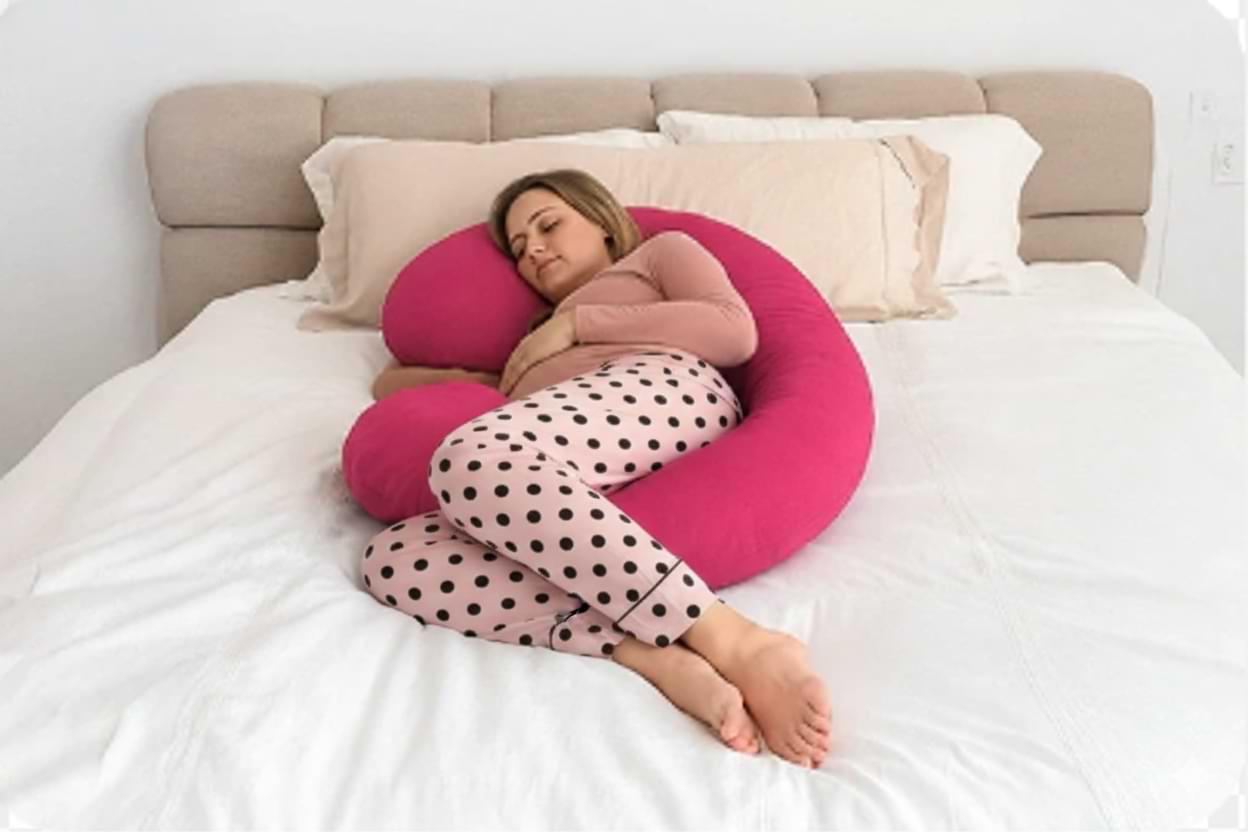
Pregnancy is a beautiful journey, but it often comes with challenges—especially when it comes to finding the right sleeping position. As your body changes, so do your comfort needs. This is where the Pregnancy Pillow becomes a must-have. Knowing when to start using a pregnancy pillow can make a huge difference in your sleep quality and overall well-being.
Whether you’re navigating your sleeping position during pregnancy, struggling to get comfortable in your first trimester, or exploring different pillow shapes like the C shape pregnancy pillow, J shape pregnancy pillow, or U shape pregnancy pillow, this guide will help you understand when and how to start using one effectively.
Understanding Why Sleep Comfort Changes During Pregnancy
As your pregnancy progresses, your growing belly, shifting center of gravity, and hormonal changes can cause discomfort while sleeping. You may notice hip pain, back aches, or difficulty breathing in certain positions.
Using a Pregnancy Pillow early on helps your body adapt to these changes. It supports proper alignment, relieves pressure on your lower back and hips, and improves your overall sleeping position during pregnancy.
Why a Good Sleeping Position Matters in Pregnancy
The sleeping position during pregnancy directly impacts your comfort and your baby’s health. Sleeping on your back may compress blood flow, while lying flat can lead to discomfort and swelling.
Experts recommend sleeping on the left side, as it improves circulation and nutrient delivery to the placenta. A Pregnancy Pillow supports this position by keeping your body comfortably aligned all night.
When to Start Using a Pregnancy Pillow
Most women find the first trimester manageable without extra support. However, as you enter the second trimester (around week 13–16), your belly starts expanding, and sleeping becomes more challenging.
This is the perfect time to start using a Pregnancy Pillow. It helps your body adapt to new sleep patterns and prevents discomfort before it becomes severe. Some women even find benefits in introducing a pregnancy wedge pillow as early as the first trimester for gentle belly and back support.
Using a Pregnancy Pillow in the First Trimester
During the sleeping position in first trimester, you can still comfortably lie on your stomach or back, but it’s a good idea to start training your body to sleep on your side.
A small pregnancy wedge pillow placed under your belly or lower back can make this transition easier. It also helps reduce early back strain and bloating, preparing you for the months ahead.
The Benefits of Using a Pregnancy Pillow Early
Starting early allows your body to gradually adjust to the extra support. It can relieve mild backaches, reduce swelling, and prevent poor posture habits.
Moreover, using a Pregnancy Pillow early helps you establish a consistent, healthy sleeping position during pregnancy, improving both sleep quality and restfulness.
Choosing the Right Type of Pregnancy Pillow
Different types of Pregnancy Pillows cater to different needs. Understanding their benefits will help you choose wisely:
- C shape pregnancy pillow: Ideal for full-body support, hugging the natural curve of your body.
- U shape pregnancy pillow: Wraps around your entire body, offering support to your back, belly, and legs simultaneously.
- J shape pregnancy pillow: A more compact option that supports your head, back, and legs without taking up too much space.
- Pregnancy wedge pillow: Small and portable, perfect for targeted support under the belly, back, or knees.
Each type provides unique comfort, so consider your preferred sleeping position during pregnancy before choosing one.
How Pregnancy Pillows Help with Common Aches
Pregnancy often brings discomfort such as back pain, hip pain, and leg cramps. The Pregnancy Pillow helps distribute your weight evenly, reducing strain on the spine and pelvis.
For example, a U shape pregnancy pillow cradles your entire body, keeping your back supported, while a C shape pregnancy pillow provides flexible support for multiple sleeping positions.
Adjusting to Side Sleeping Comfortably
If you’re not used to sleeping on your side, transitioning can be tricky. The Pregnancy Pillow helps by preventing you from rolling onto your back or stomach during sleep.
Tucking a J shape pregnancy pillow or pregnancy wedge pillow between your knees helps maintain hip alignment, reducing lower back pain. Over time, side sleeping will feel more natural and comfortable.
Pregnancy Pillow for Back Pain and Better Posture
As your pregnancy progresses, back pain becomes a common complaint. The Pregnancy Pillow aligns your spine, reducing pressure on the lower back.
Placing a pregnancy wedge pillow or the tail end of a U shape pregnancy pillow behind your back adds lumbar support and prevents slouching — both while sleeping and sitting.
When Not to Delay Using a Pregnancy Pillow
If you experience early back pain, poor sleep, or leg cramps, start using your Pregnancy Pillow as soon as possible — even in your first trimester.
Delaying its use may make it harder to adjust later. The sooner you start, the more benefits you’ll enjoy in terms of comfort, posture, and restfulness.
Pregnancy Pillows Beyond Sleep: Other Uses
A Pregnancy Pillow isn’t just for sleeping — it’s incredibly versatile. You can use it while sitting, reading, or watching TV. After childbirth, it doubles as a support cushion for breastfeeding and postpartum recovery.
A C shape pregnancy pillow or U shape pregnancy pillow can even help relieve pressure while sitting during long hours, making it a long-term comfort investment.
Caring for Your Pregnancy Pillow
To ensure hygiene and durability, choose a pillow with a removable, washable cover. Cotton or microfiber covers are breathable and easy to clean. Regularly fluff the pillow to maintain shape and support.
Investing in a good-quality Pregnancy Pillow ensures it lasts throughout pregnancy and beyond.
Conclusion
Knowing when to start using a Pregnancy Pillow can transform your comfort during pregnancy. Ideally, introduce it during the second trimester — or earlier if you experience discomfort.
Whether you choose a C shape pregnancy pillow, U shape pregnancy pillow, J shape pregnancy pillow, or pregnancy wedge pillow, the goal remains the same: to support your body, improve your sleeping position during pregnancy, and ensure better rest for you and your baby.
FAQs
1. When is the best time to start using a pregnancy pillow? Most women start using one in the second trimester when the belly begins to grow, but it can be used earlier if needed.
2. Which type of pregnancy pillow is best for back pain? A U shape pregnancy pillow or pregnancy wedge pillow offers excellent back and hip support.
3. Can I use a pregnancy pillow in the first trimester? Yes, especially a pregnancy wedge pillow for gentle belly or lower back support.
4. Is a C-shaped or U-shaped pillow better for side sleeping? Both work well, but a U shape pregnancy pillow offers full-body support, while a C shape pregnancy pillow is more flexible.
5. Can I continue using a pregnancy pillow after childbirth? Absolutely! It’s great for nursing, postpartum support, and back comfort.