
Globhy
AllBusinessHealthMarketingTechnologyTravelUncategorized
SHshivani18 minutes ago2 views

Share:

Business

Why Businesses Rely on Third Party Inspection Services for Quality Assurance

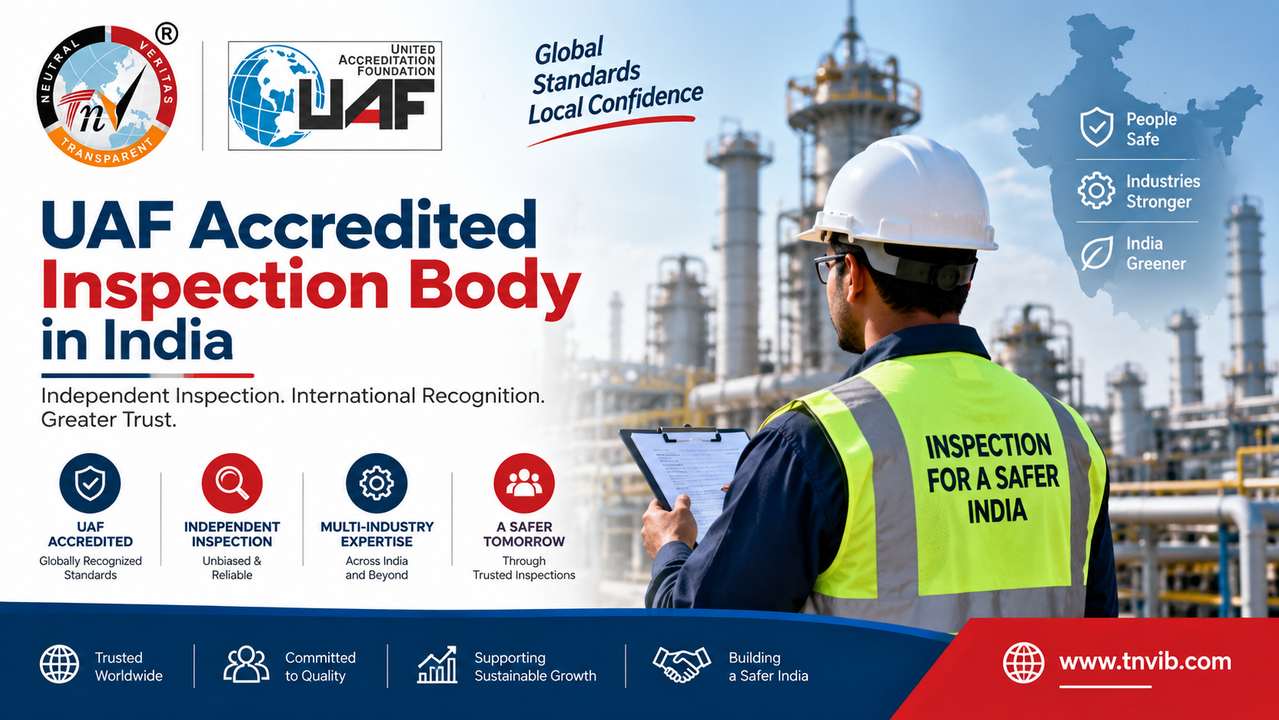
When businesses need independent inspection, they often look for an organization with recognized accreditation, technical capability, and an independent operating structure. A UAF accredited inspection body in India can be relevant when a business needs inspection activities performed within an applicable accredited scope. However, businesses should understand what accreditation means before choosing an inspection provider.

Why Businesses Rely on Third Party Inspection Services for Quality Assurance

Quality assurance becomes more challenging when businesses depend on multiple manufacturers, suppliers, vendors, and production locations. A product may appear acceptable at the final stage while problems with materials, dimensions, workmanship, manufacturing, or documentation have already occurred earlier in the process.

For manufacturers, exporters, importers, buyers, EPC contractors, and project owners, discovering these issues after shipment or installation can lead to rework, replacement costs, delays, disputes, and customer complaints.

This is why businesses use third party inspection services as an additional layer of independent quality verification. Third-party inspection allows an organization that is separate from the manufacturer and buyer to examine products, materials, equipment, or manufacturing activities against agreed requirements.

Rather than replacing a supplier's internal quality control, independent inspection provides additional evidence that can help businesses understand quality risks and make better-informed procurement, shipment, and acceptance decisions.
What Are Third Party Inspection Services?

Third party inspection services are independent inspection activities performed by an organization that is not directly responsible for manufacturing or purchasing the item being inspected.

In a typical supply relationship:

  • The manufacturer or supplier is the first party.
  • The buyer or customer is the second party.
  • The independent inspection organization is the third party.

The third-party inspector evaluates defined characteristics against requirements established before the inspection.

These requirements may come from:

  • Purchase orders
  • Technical specifications
  • Approved drawings
  • Inspection and test plans
  • Contract requirements
  • Applicable standards
  • Buyer-defined acceptance criteria

The exact inspection scope varies according to the product, industry, project, and client requirements.

Why Is Third Party Inspection Important for Quality Assurance?

Quality assurance is not simply about checking finished products. It involves creating confidence that specified requirements are being addressed throughout relevant stages of manufacturing and supply.

Independent inspection can contribute to this process by providing objective information.

Independent Verification

A manufacturer may have its own quality control department, but its inspections are internal.

An independent third party inspection company provides an external perspective.

This can be valuable when:

  • A buyer is located far from the supplier.
  • Products are being manufactured by a new vendor.
  • Equipment is technically complex or high-value.
  • A contract requires independent inspection.
  • Goods need verification before shipment.
  • Project teams need documented inspection findings.

Independent inspection gives stakeholders another source of information before important decisions are made.

How Third Party Inspection Services Help Reduce Quality Risks

1. Detecting Quality Issues Earlier

One of the biggest advantages of inspection is the ability to identify potential concerns before products reach the customer or project site.

Depending on the inspection scope, possible findings can include:

  • Incorrect dimensions
  • Poor workmanship
  • Visible defects
  • Damaged components
  • Incorrect quantities
  • Material identification issues
  • Packaging problems
  • Labeling discrepancies
  • Missing or inconsistent documentation

Finding such issues during manufacturing or before dispatch can provide an opportunity for investigation and corrective action.

Why Early Detection Matters

The later a problem is identified, the more complicated it may become to resolve.

For example, replacing a component while it is still at the manufacturer's facility may be easier than replacing it after installation at a project site.

Early inspection can therefore help businesses reduce exposure to avoidable rework, delays, and additional logistics costs.

2. Improving Supplier Quality Visibility

Businesses often purchase products from suppliers they cannot regularly visit.

This creates a visibility gap.

A professional third party inspection agency can visit the supplier's location and perform agreed inspection activities on behalf of the client.

Depending on the scope, inspection can provide information about:

  • Product condition
  • Manufacturing progress
  • Material identification
  • Workmanship
  • Dimensions
  • Quantity
  • Relevant documentation
  • Shipment readiness

This does not eliminate supplier risk, but it gives procurement and quality teams additional information about what is happening at the manufacturing location.

3. Verifying Materials Before Production

Final product quality can be affected by the materials used during manufacturing.

If incorrect or unsuitable material enters production, the resulting issue may become more difficult to address later.

Material inspection may therefore be conducted before or during manufacturing.

Material Inspection May Include

Depending on the requirements, an inspector may review:

  • Material identification
  • Specified grade information
  • Dimensions
  • Physical condition
  • Traceability details
  • Relevant certificates
  • Supporting documentation

Independent verification at this stage can help identify discrepancies before materials become part of the finished product.

4. Monitoring Quality During Manufacturing

Not every inspection needs to take place after production is complete.

For complex products, fabricated equipment, or industrial projects, inspection may be scheduled at defined stages during manufacturing.

This allows businesses to obtain visibility before the product reaches its final stage.

During-Production Inspection Can Focus On

Depending on the agreed inspection plan:

  • Manufacturing progress
  • Fabrication activities
  • Workmanship
  • Selected dimensions
  • Assembly
  • Materials
  • Defined inspection points
  • Relevant production records

If concerns are found earlier, corrective action may be easier than waiting until the entire production batch is complete.

5. Supporting Pre-Shipment Quality Verification

Once goods have been shipped, resolving quality problems can become more expensive.

Freight charges, customs processes, return logistics, replacement products, and delivery delays can all increase the impact of a quality issue.

Pre-shipment inspection provides an opportunity to inspect goods before dispatch.

What Can Be Checked Before Shipment?

Depending on the inspection scope:

  • Finished product condition
  • Quantity
  • Workmanship
  • Dimensions
  • Product identification
  • Packaging
  • Labels
  • Shipping marks
  • Relevant documentation

The inspection report can then provide additional information for the buyer's shipment or acceptance decision.

6. Providing Objective Inspection Reports

One of the most useful outcomes of independent inspection services is documented evidence.

A professional inspection report may include:

  • Inspection date
  • Inspection location
  • Identification of inspected items
  • Inspection scope
  • Findings and observations
  • Measurements where applicable
  • Photographic evidence
  • Documentation reviewed
  • Identified deviations

These reports create a common reference for buyers, suppliers, procurement teams, engineers, and project managers.

This is especially useful when decision-makers were not physically present during the inspection.

Where Are Third Party Inspection Services Commonly Used?

Independent inspection can support quality assurance across many industries.

Manufacturing and Engineering

Manufacturers and buyers may use inspection for raw materials, fabricated components, machinery, equipment, and finished products.

Construction and Infrastructure

Inspection can support defined requirements involving construction materials, structural items, fabricated products, equipment, and project-related supplies.

Oil and Gas

Third-party inspection may be used for materials, equipment, fabricated components, and vendor activities associated with oil and gas projects.

Steel and Metal

Independent inspection can support verification of materials, dimensions, fabrication, workmanship, identification, and relevant documentation.

Electrical Equipment

Inspection may include defined checks involving equipment condition, identification, dimensions, documentation, and specified testing or verification activities.

Automotive Components

Manufacturers and buyers may use inspection to verify components against specified product, dimensional, workmanship, packaging, and documentation requirements.

Textile and Garments

Inspection can cover workmanship, measurements, quantity, labeling, packaging, and other buyer-defined requirements.

Different Types of Third Party Inspection Services

Businesses should select the inspection type according to their specific quality risk.

Product Inspection

Product inspection focuses on finished or partially completed products and can verify specified characteristics such as workmanship, dimensions, condition, quantity, and identification.

Vendor Inspection

Vendor inspection is conducted at supplier facilities and can help buyers monitor equipment, materials, manufacturing activities, and defined project requirements.

Factory Inspection

Factory inspection may evaluate defined aspects of a supplier's manufacturing capability, facilities, processes, resources, and quality controls.

Material Inspection

Material inspection helps verify specified materials, identification, dimensions, condition, traceability, and documentation.

Pre-Shipment Inspection

Pre-shipment inspection focuses on finished goods before dispatch.

Industrial Inspection

Industrial inspection can cover machinery, equipment, fabricated components, materials, and defined manufacturing or project activities.

How to Choose a Reliable Third Party Inspection Company

The value of inspection depends significantly on the competence and suitability of the inspection provider.

Businesses should not select a provider based only on price.

Check Technical Competence

The inspection company should have relevant knowledge of the product, equipment, or industry.

Inspecting an industrial pressure-related component, for example, requires different technical competence from inspecting garments.

Evaluate Independence

If independent third-party verification is required, businesses should consider the provider's impartiality and independence from the parties involved.

Check Accreditation Where Relevant

When accreditation is relevant to the requirement, businesses should verify the inspection body's accreditation and applicable scope.

The scope matters because accreditation should not automatically be assumed to cover every inspection service offered by an organization.

Review Reporting Practices

Ask what information will be included in the final inspection report.

Reports should provide clear findings rather than vague statements.

Define the Scope Before Inspection

A reliable inspection requires clear instructions.

Businesses should provide applicable specifications, drawings, purchase requirements, quantities, inspection criteria, and other relevant documents before the assignment.

Quality Control and Third Party Inspection: What Is the Difference?

Quality control and third-party inspection are related but are not always the same activity.

A manufacturer's quality control inspection services are generally part of its internal process for checking products and production.

Third-party inspection provides an external, independent assessment based on an agreed scope.

The two approaches can work together.

Internal quality control helps the manufacturer manage its processes, while independent inspection provides buyers or other stakeholders with additional verification.

Why Businesses Should Not Depend Only on Final Inspection

Final inspection is useful, but relying only on the last stage may allow problems to progress too far through production.

For higher-risk products or complex projects, businesses may consider inspection at multiple relevant stages.

For example:

  1. Material verification before manufacturing
  2. Inspection during production
  3. Inspection at defined technical stages
  4. Final product inspection
  5. Pre-shipment inspection

The appropriate inspection plan should always depend on the product, risk, contractual requirements, and project needs.

How TNV Inspection Division Supports Quality Assurance

TNV Inspection Division provides independent third-party inspection support for manufacturers, suppliers, exporters, buyers, procurement organizations, EPC contractors, and project owners.

Depending on the applicable inspection scope and client requirements, inspection activities can cover:

  • Products
  • Materials
  • Equipment
  • Vendors
  • Manufacturing activities
  • Factory-related requirements
  • Industrial projects
  • Pre-shipment verification

TNV Inspection Division operates as an independent inspection organization with a structured approach to inspection and documented reporting.

Its role is not to replace a manufacturer's quality management system or make commercial decisions for the buyer. Instead, independent inspection provides additional findings that businesses can use when evaluating products, suppliers, manufacturing progress, or shipment readiness.

Conclusion

Businesses rely on third party inspection services because quality risks are easier to manage when they are identified before products are shipped, installed, or accepted.

Independent inspection can help verify materials, monitor manufacturing, evaluate products, improve supplier visibility, support pre-shipment checks, and provide documented findings for quality and procurement teams.

However, inspection should not be viewed as a guarantee against every possible defect. Its effectiveness depends on the inspection scope, timing, sampling approach where applicable, technical competence, and the requirements provided by the client.

Businesses selecting a third party inspection company should therefore consider independence, technical expertise, relevant accreditation, industry experience, and reporting quality rather than focusing solely on price.

For organizations requiring additional quality visibility across manufacturing and supply activities, TNV Inspection Division provides independent inspection services designed to support informed quality, supplier, procurement, and acceptance decisions.

Frequently Asked Questions

What are third party inspection services?

Third party inspection services are independent assessments of products, materials, equipment, suppliers, or manufacturing activities performed by an organization that is separate from the manufacturer and buyer.

Why do businesses need third party inspection for quality assurance?

Third-party inspection gives businesses additional independent information about product or supplier quality. It can help identify specified quality concerns before shipment, installation, or acceptance.

What does a third party inspection company inspect?

Depending on the agreed scope, inspections can cover materials, products, dimensions, workmanship, equipment, manufacturing activities, quantity, packaging, identification, and relevant documentation.

Is third party inspection the same as quality control?

Not necessarily. Quality control is often performed internally by manufacturers, while third-party inspection provides independent external verification against agreed requirements.

At what stage should third party inspection be performed?

Inspection can take place before production, during manufacturing, at defined inspection points, after production, or before shipment. The appropriate stage depends on the product and associated quality risks.

How do I choose a third party inspection agency?

Evaluate the agency's technical competence, independence, relevant industry experience, reporting practices, applicable accreditation, inspection scope, and ability to understand your requirements.

Can independent inspection guarantee that products will have no defects?

No. Inspection provides findings based on the agreed scope, items examined, inspection method, and conditions at the time of inspection. It improves quality visibility but does not guarantee that every possible defect will be eliminated.

Who can use third party inspection services?

Manufacturers, exporters, importers, buyers, suppliers, procurement organizations, EPC contractors, and project owners can use third-party inspection when independent quality verification is required.

Share:

More in Business

View category