
Globhy
BSBhavna Sharma1 hour ago2 views

Share:

When to Use Molded Case Circuit Protection in Installations

Technology

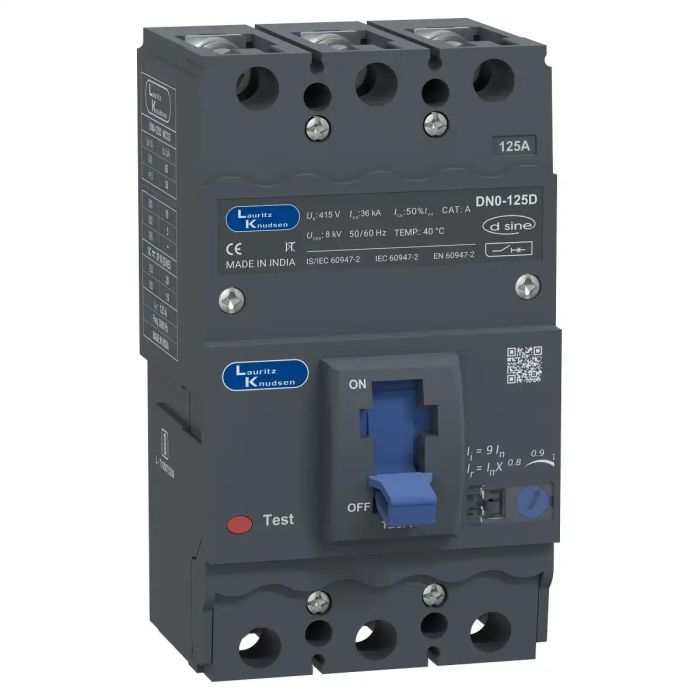
Among the commonly used protective solutions is MCCB electrical, which is widely selected for applications requiring higher current capacities, dependable protection, and operational flexibility.

When to Use Molded Case Circuit Protection in Installations

Electrical protection is one of the most important aspects of designing safe and reliable power systems. Whether in residential, commercial, or industrial installations, selecting the appropriate circuit protection devices helps prevent equipment damage, minimize electrical hazards, and improve operational continuity. Different applications require different levels of protection depending on the electrical load, system complexity, and future expansion needs. Understanding when molded case circuit protection is appropriate allows property owners, engineers, and facility managers to make informed decisions that enhance electrical safety, simplify maintenance, and improve the long-term performance of their installations.

Understanding Molded Case Circuit Protection

Circuit protection devices are designed to interrupt electrical current when abnormal operating conditions such as overloads or short circuits occur. They help safeguard electrical systems, wiring, and connected equipment from potential damage.

Among the commonly used protective solutions is MCCB electrical, which is widely selected for applications requiring higher current capacities, dependable protection, and operational flexibility.

Compared with smaller protective devices, molded case circuit breakers are generally suitable for installations with larger electrical loads and more demanding operating conditions.
Why Circuit Protection Is Essential

An effective protection system supports both safety and reliability by preventing electrical faults from spreading throughout the installation.

Some important benefits include:

Selecting suitable protection equipment helps reduce downtime while supporting safe and efficient electrical operation.

When Should Molded Case Circuit Protection Be Used?

The choice of protective equipment depends on several factors, including electrical demand and system design.

1. High Electrical Loads

Installations with significant power requirements often benefit from molded case circuit protection due to its higher current-handling capability.

Typical examples include:

2. Multiple Distribution Circuits

Buildings with several electrical panels require reliable protection for incoming and outgoing power distribution.

3. Future Expansion

Systems expected to accommodate additional electrical loads should be designed with future capacity in mind.

Selecting an appropriate MCCB electrical solution helps ensure that growing electrical requirements can be managed safely and efficiently.

Key Features of Molded Case Circuit Protection

Modern molded case circuit protection offers several practical advantages.

Higher Current Ratings

Suitable for installations with larger electrical demands.

Reliable Fault Protection

Quick interruption of fault currents helps protect connected equipment.

Durable Construction

Designed for long-term operation under demanding electrical conditions.

Flexible Applications

Suitable for a wide range of commercial, industrial, and infrastructure environments.

These characteristics make molded case circuit breakers an important part of comprehensive electrical protection systems.

Factors to Consider Before Selection

Proper equipment selection requires careful planning.

Consider the following:

Electrical Load Requirements

Accurate load calculations ensure suitable protective device selection.

Installation Environment

Environmental conditions may influence equipment selection and enclosure requirements.

Maintenance Accessibility

Equipment should be installed where inspection and servicing can be carried out safely.

Future Electrical Demand

Allow adequate capacity for future system expansion whenever possible.

Understanding RCCB Selection

Residual current protection forms another important layer of electrical safety in many installations.

When evaluating protective devices, some users compare technical features alongside the RCCB price to determine the most suitable option for their specific application and budget. While cost is an important consideration, selecting equipment based on quality, compatibility, and required protection features is equally essential.

A balanced approach helps achieve both safety and long-term value.

Best Practices for Installation

Proper installation plays a significant role in electrical safety.

Recommended practices include:

  1. Perform detailed load calculations.
  2. Use qualified electrical professionals.
  3. Follow approved wiring standards.
  4. Label protective devices clearly.
  5. Schedule periodic inspections.

Correct installation supports dependable system performance and simplifies future maintenance.

Maintenance Tips for Circuit Protection Equipment

Routine maintenance helps maximize equipment lifespan while ensuring reliable operation.

Suggested maintenance activities include:

Preventive maintenance helps reduce unexpected failures while maintaining safe operating conditions.

Common Mistakes to Avoid

Several common errors can reduce the effectiveness of circuit protection systems.

Avoid:

Selecting the appropriate MCCB electrical device based on system requirements helps prevent many of these issues while improving overall electrical reliability.

Balancing Safety, Performance, and Cost

Selecting electrical protection equipment involves balancing performance requirements with long-term value.

An effective decision-making process includes:

This approach supports dependable electrical protection while promoting efficient investment in building infrastructure.

Conclusion

Choosing the right molded case circuit protection depends on understanding electrical load requirements, system design, safety objectives, and future expansion plans. Properly selected protection devices improve operational reliability, reduce equipment risks, and contribute to the long-term efficiency of electrical installations. Combined with professional installation and regular maintenance, they form the foundation of a safe and dependable electrical system. With a rich legacy of over 70 years in India,  Lauritz Knudsen Smartshop is recognized for offering a comprehensive portfolio of electrical and automation solutions that support reliable, efficient, and future-ready power infrastructure across homes, agriculture, buildings, infrastructure, industry, and many other application segments.

. . . . . . . . . . . . . . . . . . . . . . . . . . . . . . . . . . . . . . . . . . . . . . . . . . . . . . . . . . . . . . . . . . . . . . . . . . . . . . . . . . . . . . . . . . . . . . . . . . . . . . . . . . . . . . . . . . . . . . . . . . . . . . . . . . . . . . . . . . . . . . . . . . . . . . . . . . . . . . . . . . . . . . . . . . . . . . . . . . . . . . . . . . . . . . . . . . . . . . . . . . . . . . . . . . . . . . . . . . . . . . . . . . . . . . . . . . . . . . . . . . . . . . . . . . . . . . . . . . . . . . . . . . . . . . . . . . . . . . . . . . . . . . . . . . . . . . . . . . . . . . . . . . . . . . . . . . . . . . . . . . . . . . . . . . . . . . . . . . . . . . . . . . . . . . . . . . . . . . . . . . . . . . . . . . . . . . . . . . . . . . . . . . . . . . . . . . . . . . . . . . . . . . . . . . . . . . . . . . . . . . . . . . . . . . . . . . . . . . . . . . . . . . . . . . . . . . . . . . . . . . . . . . . . . . . . . . . . . . . . . . . . . . . . . . . . . . . . . . . . . . . . . . . . . . . . . . . . . . . . . . . . . . . . . . . . . . . . . . . . . . . . . . . . . . . . . . . . . . . . . . . . . . . . . . . . . . . . . . . . . . . . . . . . . . . . . . . . . . . . . . . . . . . . . . . . . . . . . . . . . . . . . . . . . . . . . . . . . . . . . . . . . . . . . . . . . . . . . . . . . . . . . . . . . . . . . . . . . . . . . . . . . . . . . . . . . . . . . . . . . . . . . . . . . . . . . . . . . . . . . . . . . . . . . . . . . . . . . . . . . . . . . . . . . . . . . . . . . . . . . . . . . . . . . . . . . . . . . . . . . . . . . . . . . . . . . . . . . . . . . . . . . . . . . . . . . . . . . . . . . . . . . . . . . . . . . . . . . . . . . . . . . . . . . . . . . . . . . . . . . . . . . . . . . . . . . . . . . . . . . . . . . . . . . . . . . . . . . . . . . . . . . . . . . . . . . . . . . . . . . . . . . . . . . . . . . . . . . . . . . . . . . . . . . . . . . . . . . . . . . . . . . . . . . . . . . . . . . . . . . . . . . . . . . . . . . . . . . . . . . . . . . . . . . . . . . . . . . . . . . . . . . . . . . . . . . . . . . . . . . . . . . . . . . . . . . . . . . . . . . . . . . . . . . . . . . . . . . . . . . . . . . . . . . . . . . . . . . . . . . . . . . . . . . . . . . . . . . . . . . . . . . . . . . . . . . . . . . . . . . . . . . . . . . . . . . . . . . . . . . . . . . . . . . . . . . . . . . . . . . . . . . . . . . . . . . . . . . . . . . . . . . . . . . . . . . . . . . . . . . . . . . . . . . . . . . . . . . . . . . . . . . . . . . . . . . . . . . . . . . . . . . . . . . . . . . . . . . . . . . . . . . . . . . . . . . . . . . . . . . . . . . . . . . . . . . . . . . . . . . . . . . . . . . . . . . . . . . . . . . . . . . . . . . . . . . . . . . . . . . . . . . . . . . . . . . . . . . . . . . . . . . . . . . . . . . . . . . . . . . . . . . . . . . . . . . . . . . . . . . . . . . . . . . . . . . . . . . . . . . . . . . . . . . . . . . . . . . . . . . . . . . . . . . . . . . . . . . . . . . . . . . . . . . . . . . . . . . . . . . . . . . . . . . . . . . . . . . . . . . . . . . . . . . . . . . . . . . . . . . . . . . . . . . . . . . . . . . . . . . . . . . . . . . . . . . . . . . . . . . . . . . . . . . . . . . . . . . . . .

Share:

More in Technology

View category