
Share:

When Should You Use a Chip Brush Instead of a Paintbrush?
Learn when to use a chip brush for applying stains, sealers, adhesives, and coatings on rough surfaces. Discover how chip brushes compare with regular paintbrushes, how to choose the right bristles, and when affordable tools make sense.
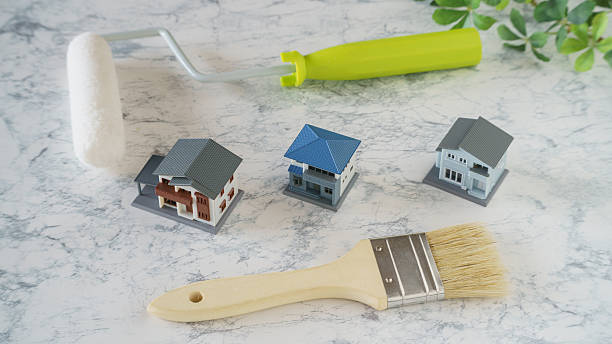
Not every painting job needs expensive tools or a perfectly smooth finish. Sometimes you just need to spread a bit of paint, coat a rough surface, or finish a small project without making a big deal out of it. That’s where a 3 in chip brush comes in handy. If you have ever looked at the low price of these brushes and wondered whether they are actually worth using, the answer is yes, in the right situation. They are not designed to replace every regular paintbrush, though. Knowing when to use a chip brush can save money, reduce cleanup time, and make certain jobs much easier. The trick is understanding what it does well and where a traditional brush is still the better choice.
What Makes a Chip Brush Different From a Regular Paintbrush?
A chip brush is usually a simple, inexpensive brush with natural or synthetic bristles, a basic handle, and a metal band holding everything together. It is often used for applying adhesives, stains, sealers, solvents, and general-purpose coatings. Regular paintbrushes, on the other hand, come in different shapes and bristle types, with designs focused on better control and cleaner finishes. Their bristles may hold paint more evenly and keep their shape through repeated use. A chip brush is built for practical jobs where a perfect finish isn't the main concern. Some shed bristles, especially when they are brand new or poorly made. That's something to keep in mind before using one on a freshly painted cabinet door.
When a Chip Brush Is the Better Choice
1. Applying Stains, Sealers, and Adhesives
One of the best uses for a chip brush is applying products that don't require delicate brushwork. Wood stains, waterproofing treatments, certain sealers, and construction adhesives can often be spread effectively with an inexpensive brush. You can work the material into rough timber, small joints, or uneven areas without worrying too much about ruining an expensive tool. For instance, staining a few fence boards or coating the underside of a wooden shelf doesn't always justify buying a premium brush. Just make sure the bristles are compatible with the product you're using. Some chemicals can damage certain bristle types or loosen the adhesive holding them in place.
2. Painting Rough and Textured Surfaces
A smooth interior wall is one thing. A rough wooden beam, brick edge, or unfinished piece of timber is another. Chip brushes are useful when you need to push paint into small gaps, grooves, and uneven surfaces. Their bristles can reach areas that a roller might miss, especially around rough edges and awkward corners. They are also handy for applying primer to small repairs before the final coat goes on. You probably won't get the same clean, even result as you would with a quality finishing brush, but that's not always the goal. Sometimes good coverage matters more than a flawless appearance.
3. Handling Messy Jobs and One-Time Projects
Let's be real, some painting tasks are messy enough that spending more on a brush makes little sense. Applying a protective coating to a metal bracket, touching up an old garden planter, or brushing paint onto a workshop jig are good examples. A chip brush lets you get the job done without worrying about extensive cleanup afterward. If the coating is difficult to remove, replacing the brush may be more practical than trying to save it. However, don't automatically throw every used brush away. If the product can be cleaned safely and the bristles remain in good condition, you may be able to reuse it for another rough job.
When You Should Stick With a Regular Paintbrush
A chip brush isn't the right tool for every project. If you're painting trim, doors, window frames, or furniture that people will see up close, a quality paintbrush is usually worth the extra cost. Better brushes tend to hold their shape, distribute paint more evenly, and leave fewer visible brush marks. They also offer more control around corners and narrow edges. When using water-based paint, choose a brush with suitable synthetic bristles; for other coatings, check the manufacturer's recommendations. You should also avoid using a brush that sheds fibres on surfaces where a smooth finish matters. Picking loose bristles out of wet paint is frustrating, and it can mean sanding and repainting the area.
Choosing the Right Chip Brush for the Job
Not all chip brushes are identical, so check the bristles, width, and handle before buying one. Natural bristles can work well with certain oil-based products, while synthetic bristles are often a practical choice for water-based coatings. Always confirm compatibility on the product label. A narrow brush is easier to manage around small components, while a wider one covers more area in fewer strokes. Also, check the metal band and handle for loose parts. A brush that falls apart halfway through a job isn't a bargain, even if it only cost a little. For chemical coatings, wear suitable gloves and work in a ventilated area. Cheap tools still need to be used safely.
How Chip Brushes Fit Into a Bigger Painting Project
A chip brush can be part of a larger painting setup rather than the only tool you use. For broad, flat walls, a roller is generally faster and gives more consistent coverage. An 18 inch paint roller can help cover large areas efficiently when the surface and project size suit a wider roller. You might use that for the main wall area, then switch to a smaller brush for tight spots or detailed work. Chip brushes are useful for those less visible jobs, but they won't replace a roller or a proper finishing brush. Choosing tools according to the surface makes the whole job easier, and usually saves time in the long run.
Conclusion: Use the Brush That Makes Sense
A chip brush is not fancy, and it doesn't need to be. It earns its place when you're applying stains, spreading adhesives, coating rough surfaces, or tackling a job where an expensive brush would be unnecessary. For furniture, trim, and other areas that need a clean finish, a quality paintbrush is still the smarter option. Think about the material, the surface, and the result you actually need before picking up a tool. Spending more isn't always better, just as buying the cheapest option isn't always a win. Get the right brush for the task, and you'll spend less time fixing mistakes later.
Share:
More in Business
View categoryWhat to Consider When Planning Multiple Home Renovation Projects
Learn how to plan multiple home renovations in Houston with a clear budget, practical project order, and coordinated contractors. Discover ways to manage costs, choose suitable materials, handle permits, and reduce disruption while improving your home.
READ ARTICLEMarine Big Data Market: Industry Drivers, Challenges and Opportunities Report by MMR
The Marine Big Data Market size was valued at USD 3.16 Billion in 2025 and the total Marine Big Data revenue is expected to grow at a CAGR of 13.2% from 2026 to 2032, reaching nearly USD 7.54 Billion by 2032.
READ ARTICLESalon Comb Manufacturers: Types, Uses, Benefits, and How to Choose the Right Hair Comb
Bajoria Plast is a trusted manufacturer, wholesaler, and exporter of quality hair combs and brushes, established in 1992. The company offers salon combs, pocket combs, wooden combs, family comb packs, hotel combs, and professional hairbrushes, focusing on product quality, durability, and customer satisfaction.
READ ARTICLEWhat Should You Look for When Choosing IFS ERP Consultants in the UK?
Choosing an ERP consultant can make a project run smoothly or turn it into a long, expensive headache.
READ ARTICLE