
Share:

What Project Managers Should Check in a Construction Traffic Management Plan in Sydney
Discover key checks for construction traffic management plans in Sydney, including site access, vehicle movements, pedestrian safety, construction staging, emergency access and project coordination.
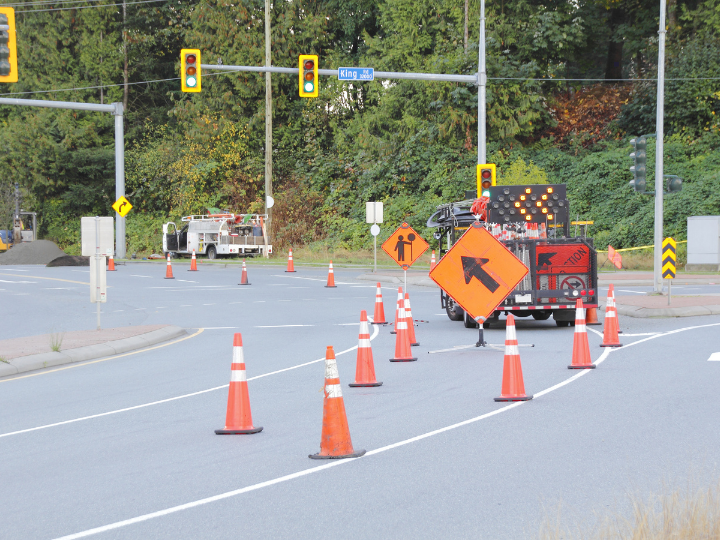
Construction projects involving public roads, site access points and active work zones require careful traffic planning. A construction traffic management plan sydney helps Project Managers coordinate vehicle movements, pedestrian access, construction staging and temporary traffic controls. Reviewing emergency traffic management requirements is also important to ensure that emergency access, incident response arrangements and communication procedures are considered before work begins.
1. Confirm the Project Scope
The plan should reflect the project's location, construction activities, operating hours and expected duration. Project Managers should check whether all relevant work zones, access points and road interfaces have been identified.
Any planned changes to site operations should also be considered. A clear scope helps ensure that traffic arrangements align with the actual construction requirements.
2. Review Existing Traffic Conditions
Project Managers should assess the surrounding road network, traffic volumes, intersections, pedestrian routes and nearby access points.
Understanding existing conditions helps identify potential conflicts between construction activities and normal road use. This information can guide decisions about temporary controls, work timing and construction staging.
3. Check Vehicle Access and Movement Routes
The plan should identify construction vehicle entry and exit points, delivery routes, turning areas and any restrictions affecting vehicle movements.
Project Managers should confirm that routes are appropriate for the types and sizes of vehicles expected on site. Delivery schedules and vehicle holding arrangements should also be considered to reduce congestion around access points.
4. Verify Pedestrian Access Arrangements
Construction activities can affect footpaths, crossings and routes used by workers and members of the public. The plan should explain how pedestrian access will be maintained or redirected where required.
Project Managers should check that temporary routes are clearly identified and separated from construction activities wherever practical. Accessibility requirements should also be considered when planning alternative routes.
5. Assess Construction Staging
Traffic arrangements may change as work progresses through excavation, utility installation, road construction and other project stages.
Each stage should be reviewed to determine whether access points, traffic controls, pedestrian routes or vehicle movements need to change. The plan should provide a clear framework for coordinating these transitions.
6. Review Temporary Traffic Controls
The plan should identify the temporary signs, cones, barriers and delineation devices required for the proposed work zones.
Project Managers should check that the proposed controls are appropriate for the site conditions and consistent with applicable requirements and approved documentation. Responsibilities for installing, inspecting, maintaining and adjusting these controls should also be clear.
7. Confirm Emergency Access Arrangements
Emergency access is an important consideration throughout construction. Project Managers should check how emergency vehicles can reach the site and whether temporary traffic arrangements could restrict essential access.
Share:
More in Business
View categoryElectronic Thermostat Market: Competitive Landscape, Emerging Technologies and Future Prospects
The Electronic Thermostat Market size was valued at USD 4.08 Billion in 2025 and the total Electronic Thermostat revenue is expected to grow at a CAGR of 10.32% from 2026 to 2032, reaching nearly USD 8.11 Billion by 2032.
READ ARTICLEHow to Align Your Sales Strategy with CFO Priorities to Win Business Decisions
Learn how to align your sales strategy with CFO priorities, address financial concerns, demonstrate ROI, and build trust to win important business decisions.
READ ARTICLEThe Role of Infrastructure in Business Growth
Discover how commercial infrastructure, connectivity, technology, and sustainable planning help create competitive business hubs.
READ ARTICLEBook the Best Interior Designer In Greater Noida Today
A home reflects who you are, so the person designing it should understand your vision as well as your practical needs.
READ ARTICLE