
Share:

What Affects the Design of Custom Made Interior Doors?
Custom-made interior doors allow homeowners to consider specific dimensions, materials, finishes and design details when planning their interiors. The right design should complement the surrounding decor while meeting practical requirements such as privacy, accessibility and everyday use. When exploring custom doors Sydney, several factors can influence the final design, from available opening space to construction, hardware and decorative preferences. Understanding these considerations helps create doors that suit the property's layout and overall interior style.
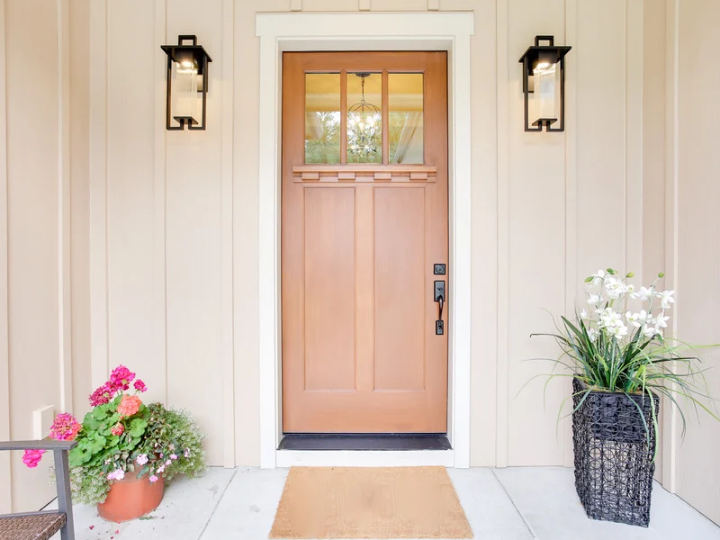
1. Available Space and Door Dimensions
The size and shape of a doorway are among the first considerations when planning a custom interior door. Some openings may have unusual widths, heights or proportions that require a more tailored approach. Standard dimensions may not always provide the desired fit, particularly in properties with older frames or distinctive architectural features.
Accurate measurements help determine the appropriate door dimensions and required clearances. The surrounding frame, wall structure and opening direction should also be considered to ensure the finished door operates comfortably. Measurements should account for the available space at the top, bottom and sides of the opening.
For wider entrances, homeowners may need to consider whether a single door or an alternative arrangement would better suit the space. The movement of nearby furniture, cupboards and other fixtures should also be assessed. Planning these details early can help prevent fitting difficulties and ensure the finished design works with the room's layout.
2. Material and Construction Selection
The material influences the appearance, weight, durability and practical characteristics of an interior door. Different construction options can also provide varying levels of privacy and sound separation, making material selection an important part of the design process.
Nanak Doors offers internal timber doors in softwood, hardwood, glazed and moulded categories. Its internal door collection also includes solid, semi-solid and hollow-core construction options. Each option has different characteristics that should be considered according to the intended application.
Solid-core construction may be worth considering where greater privacy and sound separation are priorities. Semi-solid and hollow-core alternatives provide additional choices depending on the room's requirements and the desired door construction.
The selection should reflect expected usage, maintenance preferences and preferred appearance. For example, bedroom doors may require greater privacy, while doors between shared living spaces may prioritise visual openness. Comparing available construction options helps establish a suitable foundation for the overall design.
3. Style and Architectural Preferences
A custom door should complement the interior rather than appear disconnected from the surrounding design. Panel arrangements, decorative detailing, surface patterns and proportions can influence how the door fits into the room.
Traditional interiors may suit panelled designs with more decorative detailing, while contemporary spaces can benefit from simpler surfaces and clean lines. Minimalist designs can create a subtle appearance, whereas more distinctive panel arrangements can make a doorway a noticeable feature.
The architectural character of the property should also influence the selection. Consider existing skirting, architraves, wall details and other interior features when deciding on the door's appearance.
When considering custom doors Sydney, think about how the finished design will coordinate with flooring, wall colours, furniture and existing architectural features. Maintaining visual consistency across connected rooms can help create a more balanced interior.
4. Colour and Surface Finishes
Finishes influence the overall appearance and character of an interior door. Natural timber tones can introduce warmth and texture, while painted surfaces provide flexibility when coordinating with an existing colour scheme.
Light finishes can create a subtle appearance and complement bright interiors. Darker finishes may introduce contrast, particularly against lighter walls and flooring. Natural timber appearances can also work well with wooden furniture and other organic materials.
The choice should consider maintenance requirements and the expected level of everyday use. Frequently handled doors may benefit from finishes that are straightforward to clean and maintain. Surface texture and detailing can also affect how easily dust and marks are removed.
Comparing finish samples, where available, can help you understand how colours and textures look under different lighting conditions. Natural and artificial lighting may influence the appearance of a finish, so it is useful to assess the options in the actual room before making a final decision.
5. Glass Elements and Privacy Requirements
Glass inserts can change the appearance of an interior door while allowing light to move between connected spaces. Their placement, size and transparency influence both visual openness and privacy.
Share:
More in Uncategorized
View categoryGrowing Investment in Immunotherapy Supports Natural Killer Cell Therapeutics Market Expansion
The global natural killer cell therapeutics market size was valued at USD 276.43 million in 2025 and is projected to grow from USD 390.98 million in 2026 to USD 6262.32 million by 2034, registering a CAGR of 41.44% during the forecast period from 2026 to 2034. North America dominated the natural killer cell therapeutics market with a market share of 48.51% in 2025.
READ ARTICLEAnti-Viral Fabric Market Trends Shaping the Future of Protective Textiles
The global anti-viral fabric market size was valued at USD 371.49 billion in 2025 and is projected to grow from USD 431.11 billion in 2026 to USD 1418.25 billion by 2034, registering a CAGR of 16.05% during the forecast period from 2026 to 2034. Asia Pacific dominated the anti-viral fabric market with a market share of 38.42% in 2025.
READ ARTICLEPharmaceutical and Cosmetics Applications Drive Salicylic Acid Market Expansion
The global salicylic acid market size was valued at USD 127.18 million in 2025 and is projected to grow from USD 135.83 million in 2026 to USD 229.91 million by 2034, registering a CAGR of 6.8% during the forecast period from 2026 to 2034. Europe dominated the salicylic acid market with a market share of 34.2% in 2025.
READ ARTICLEFire Hydrants Market Opportunities in Smart Fire Protection Technologies
The global fire hydrants market size was valued at USD 1583.73 million in 2025 and is projected to grow from USD 1661.33 million in 2026 to USD 2435.91 million by 2034, registering a CAGR of 4.9% during the forecast period from 2026 to 2034. North America dominated the fire hydrants market with a market share of 36% in 2025.
READ ARTICLE