
Share:

Understanding Earth Fault Protection in Transformer Applications
Transformers are among the most critical assets in electrical power systems, enabling efficient voltage conversion and reliable power distribution across industrial, commercial, and infrastructure projects. Because they operate continuously under varying load conditions, transformers require robust protection against electrical faults that can compromise performance and safety. Earth faults are one of the most common and potentially damaging issues affecting transformers, making effective fault detection essential. By implementing suitable protection devices and adopting preventive maintenance practices, organizations can enhance transformer reliability, minimize downtime, and ensure safe and efficient power system operation.
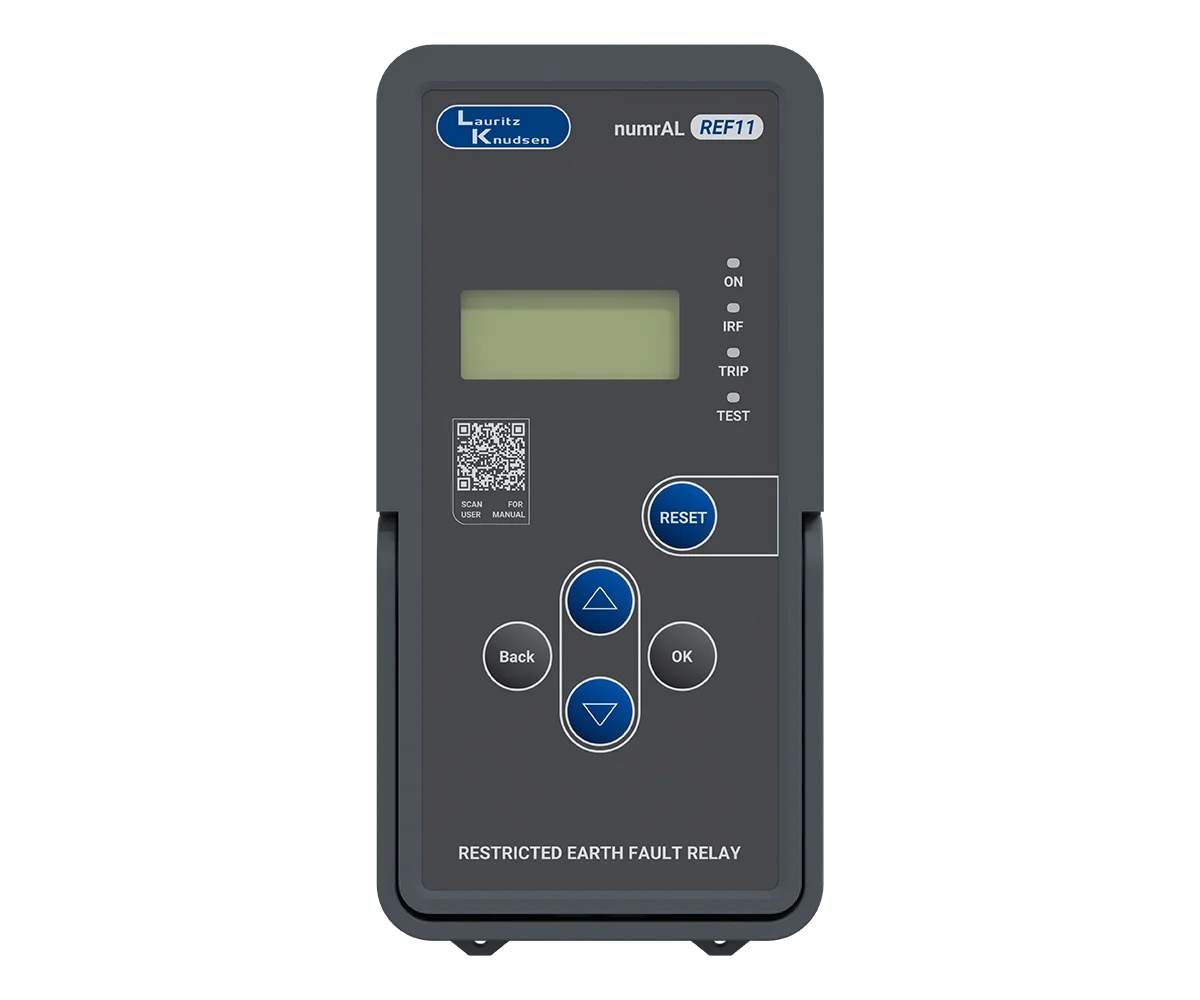
What Is an Earth Fault?
An earth fault occurs when an energized conductor unintentionally comes into contact with the ground or an earthed component of the electrical system. This can happen due to insulation failure, damaged cables, moisture ingress, or equipment deterioration.
If left undetected, earth faults can result in:
- Severe transformer damage
- Electrical fires
- Power outages
- Equipment failure
- Increased maintenance costs
- Safety hazards for personnel
Early detection and rapid isolation are essential to limit the impact of these faults.
Why Transformer Protection Is Important
Transformers are designed to operate reliably for many years, but electrical faults can significantly reduce their lifespan if not addressed promptly.
An effective protection system helps:
- Safeguard valuable equipment
- Maintain uninterrupted power supply
- Improve workplace safety
- Reduce repair expenses
- Extend transformer service life
Reliable protection also supports operational continuity by minimizing unexpected shutdowns.
Understanding Restricted Earth Fault Protection
Restricted earth fault protection is a specialized protection scheme designed to detect earth faults occurring within a defined zone of a transformer winding. Unlike general earth fault protection, this method offers higher sensitivity and faster fault detection for internal transformer faults.
A restricted earth fault relay continuously monitors current flow within the protected zone. When it detects an imbalance caused by an internal earth fault, it immediately initiates protective action to isolate the transformer before significant damage occurs.
Because of its precision, a restricted earth fault relay is widely used in transformer protection systems where rapid fault clearance is essential.
How Earth Fault Protection Works
Earth fault protection relies on current transformers installed around the protected equipment.
The protection process typically involves:
- Monitoring current entering and leaving the transformer.
- Detecting any imbalance caused by an earth fault.
- Sending a trip signal when fault conditions are confirmed.
- Disconnecting the transformer from the electrical system.
- Preventing further equipment damage.
This rapid response significantly reduces the severity of electrical faults while improving system reliability.
Benefits of Earth Fault Protection
Enhanced Equipment Protection
Transformers represent a substantial investment, making equipment protection a top priority.
Share:
More in Technology
View categoryCloud Implementation Company: 7 Cloud Implementation Services That Help Financial Institutions Reduce Migration Risks
Explore how a Cloud Implementation Company helps financial institutions reduce migration risks with secure, compliant, and reliable cloud implementation services
Ecommerce Rollback Planning for Orders Already Placed
Build an ecommerce rollback plan that accounts for accepted orders, captured payments, fulfillment actions, data compatibility, and forward recovery.
READ ARTICLEData Labeling Companies for Retail Computer Vision
Compare data labeling companies for retail images, shelf detection, product catalogs and production annotation quality workflows.
READ ARTICLEAI Medical Writing Tools for CROs: Streamlining e-Document Automation
Improve clinical documentation workflows with AI medical writing tools that support e-document automation for CROs, quality checks, and regulatory consistency.
READ ARTICLE