
Globhy
AllBusinessHealthMarketingTechnologyTravelUncategorized
AFAdivasi Foundation1 hour ago3 views

Share:

Tips for Using Adivasi Hair Oil During Humid Weather

Health

Practical tips for applying Adivasi hair oil in humid weather while managing greasy roots, scalp comfort, buildup, washing, and styling.

Tips for Using Adivasi Hair Oil During Humid Weather

Humidity can make a familiar hair-oiling routine feel completely different. Sweat, moisture, scalp oil, and styling products may combine quickly, leaving roots heavy or hair flat. However, humid weather does not necessarily mean skipping oil altogether. The better approach is adjusting the amount, timing, application area, and washing routine to suit changing conditions. A lighter, more deliberate method can help keep hair manageable without creating unnecessary buildup or discomfort.
Why Does Humidity Change the Way Hair Oil Feels?

Humid air contains substantial moisture, while warm conditions can also increase sweating. Consequently, the scalp may feel damp, sticky, or oily sooner than expected. Hair can also react to atmospheric moisture by swelling, losing smoothness, or becoming frizzy, particularly when its outer cuticle is raised or damaged.

Watch How Your Scalp Responds

Rather than following one fixed schedule, pay attention to practical signs. A scalp that becomes greasy within hours generally needs less added oil than one that remains comfortable and relatively dry.

Consider reducing either frequency or quantity if you notice:

  • Persistent heaviness soon after application
  • Limp roots that remain oily after washing
  • An itchy or uncomfortable scalp after sweating
  • Visible residue near the hairline
  • Frequent need for extra shampoo to remove oil

These signs do not automatically indicate a scalp disorder. Nevertheless, persistent itching, scaling, sores, redness, unusual shedding, or pain deserves assessment by a qualified healthcare professional or dermatologist.

Use Less Oil Than You Would in Dry Weather

The most useful humid-weather adjustment is often simple: start with less. Hair does not need to look drenched for oil to spread across selected areas. Moreover, excessive application usually makes removal harder and may require repeated shampooing, which can leave some hair types feeling rough.

Concentrate on Lengths When Roots Get Greasy

If your scalp becomes oily quickly, applying most of the product to the mid-lengths and ends may feel more comfortable. These areas often experience more friction, weathering, and dryness than newly grown hair near the scalp.

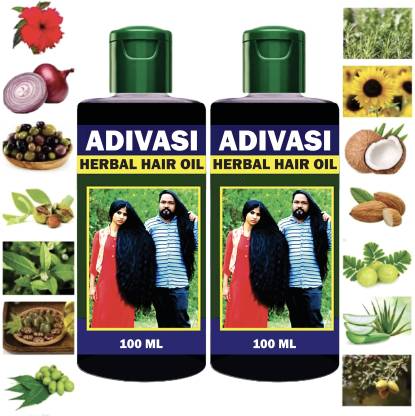
When using original adivasi hair oil, check its ingredient list and directions first, because formulas sold under similar descriptions may differ in carrier oils, herbs, fragrances, or other components.

For scalp application, use a thin layer rather than saturating the roots. Gently spread the oil with fingertips instead of pouring it directly across several scalp areas.

Choose the Right Time for Application

Timing affects comfort considerably during muggy conditions. Applying oil immediately before outdoor activity, exercise, commuting, or prolonged heat exposure can leave the scalp feeling heavier once perspiration begins. Therefore, choose a period when you can remain relatively cool and wash your hair afterward if necessary.

A short pre-wash application is often easier to manage than leaving a generous amount on for many hours. There is no universal requirement to keep hair oil on overnight for it to be part of a grooming routine.

Try a Shorter Pre-Wash Window

Apply a modest amount before shampooing and give yourself enough time to distribute it evenly. A shorter contact period can be especially practical for people whose roots become greasy rapidly.

Avoid assuming that longer application automatically produces better results. Cosmetic effects depend on the formulation, hair characteristics, amount used, and washing method. Additionally, some ingredients may irritate sensitive skin when left on for extended periods.

Avoid Oiling a Sweaty, Dirty Scalp

After intense sweating, the scalp may already contain perspiration, sebum, dead skin, and environmental debris. Adding a heavy oil layer over that mixture can feel uncomfortable. Instead, consider washing or allowing the scalp to become clean and dry before the next oiling session.

If frequent exercise requires frequent washing, focus oil primarily on lengths or use it less often. This approach can reduce unnecessary layering while preserving a simple conditioning routine.

Apply Oil Carefully in Humid Conditions

Warm the product between your palms if its texture permits. However, avoid heating oil to a high temperature. Hot oil can irritate or burn the scalp, and excessive heat offers no necessary advantage for routine application.

Use Gentle Finger Pressure

Spread scalp oil with the pads of your fingers. Keep nails away from the skin, especially if humidity and sweat have already made the scalp itchy. Scratching can damage the skin barrier and worsen irritation.

A practical application sequence is:

  1. Detangle gently before applying oil if your hair tangles easily.
  2. Place a small quantity in your palm rather than directly on the scalp.
  3. Spread a thin film over selected scalp areas or hair lengths.
  4. Add a little more only to dry ends when needed.
  5. Tie hair loosely or leave it relaxed until washing.

Tight hairstyles over heavily oiled hair can create unnecessary pulling. Consequently, a loose braid or soft tie may feel more comfortable for long hair.

Prevent Buildup Without Overwashing

Humidity can make residue more noticeable because scalp oil, sweat, and hair products accumulate together. Shampoo should remove unwanted oil and debris while leaving the scalp comfortable. The ideal washing frequency varies with hair type, activity level, scalp condition, and product use.

If one normal shampoo application removes the oil adequately, a second wash may be unnecessary. Conversely, if substantial residue remains, a second gentle cleanse can be useful. Avoid aggressive scrubbing because friction can irritate the scalp and tangle wet hair.

Rinse Thoroughly

Incomplete rinsing can leave roots flat and lengths coated. Therefore, allow water to move through the scalp and hair thoroughly after shampooing. Pay attention to the crown, nape, and areas behind the ears, where residue can remain unnoticed.

Conditioner usually belongs mainly on the lengths and ends unless its directions state otherwise. Applying rich conditioner directly over already oily roots may increase heaviness for some people.

Be Strategic With Clarifying Products

Clarifying shampoo can remove stubborn product residue, but frequent use may feel drying on certain hair types. Use it according to the formula instructions and your actual buildup level rather than automatically adding it to every wash.

Moreover, if your hair is colored, chemically treated, tightly curled, or prone to dryness, choose cleansing products with those needs in mind. Seasonal oil control should not come at the cost of excessive stripping.

Balance Frizz Control With Lightweight Styling

After washing, use a small amount of leave-in conditioner or styling product if your hair needs it. However, layering oil, rich cream, serum, and heavy conditioner at once can overwhelm fine or low-density hair.

Use Oil as a Finishing Touch Sparingly

If the product is suitable for leave-in use, a tiny amount on dry ends may add shine or reduce a rough feel. Check label directions first, since not every herbal or scalp oil is designed as a finishing serum.

Rub a very small amount between your palms before touching the hair. Then smooth the ends rather than the roots. This method distributes product more evenly and reduces the chance of creating isolated greasy patches.

Adapt the Routine to Your Hair and Scalp Type

No single humid-weather routine suits everyone. Fine hair may lose volume quickly, whereas coarse or curly hair may still need substantial conditioning. Meanwhile, an oily scalp can coexist with dry ends, making targeted application more useful than treating every strand identically.

Fine or Easily Weighed-Down Hair

Use minimal oil and favor short pre-wash sessions. Concentrating on the ends can help prevent flat roots. Additionally, avoid combining several rich products unless each serves a clear purpose.

Thick, Curly, or Coily Hair

These textures may experience dryness and friction even when the air feels humid. Sectioning can improve distribution, while applying oil selectively may help with manageability. Nevertheless, quantity should still reflect how quickly the hair becomes coated or difficult to cleanse.

Oily or Sweat-Prone Scalp

Prioritize scalp cleanliness and reduce direct oil application if it consistently causes heaviness. For instance, you can oil only the lengths before washing. If oiling triggers persistent itching or flaking, stop the product and seek appropriate professional advice if symptoms continue.

Dry or Chemically Treated Hair

Dry lengths may benefit from careful pre-wash oiling, although damaged hair still needs gentle cleansing, conditioning, limited heat exposure, and low-friction handling. Oil can support cosmetic softness, but it cannot permanently repair structural damage once the hair fiber has been significantly compromised.

Store Hair Oil Properly During Hot, Damp Months

Storage can affect product quality. Keep hair oil tightly closed and follow any temperature or light instructions printed on the packaging. A humid bathroom may not be the best storage location if the manufacturer recommends a cool, dry place.

Do not add water, fresh herbs, or other ingredients directly to the bottle. Introducing moisture or contaminants can affect product stability. Similarly, avoid touching the bottle opening with wet fingers.

Check the Product Before Each Use

Changes in smell, color, texture, or packaging condition can sometimes indicate deterioration, although natural formulations may vary. Follow the stated shelf life and discard products that appear contaminated or are past their recommended use period.

Also perform any patch-testing steps recommended by the manufacturer, especially when trying a new formulation. Botanical ingredients and fragrances can cause irritation or allergic reactions in some individuals despite being described as natural.

Common Humid-Weather Oiling Mistakes

Small routine errors often create more inconvenience than humidity itself. Adjusting them can make oiling cleaner, lighter, and easier to maintain.

Common mistakes include:

  • Saturating the scalp because more product seems more effective
  • Applying oil immediately before heavy sweating
  • Layering fresh oil over substantial existing residue
  • Scratching an itchy scalp during massage
  • Using very hot oil
  • Tying heavily oiled hair extremely tightly
  • Shampooing aggressively to remove excessive product
  • Ignoring label directions or ingredient sensitivities
  • Treating persistent scalp symptoms as ordinary humidity
  • Using the same amount throughout every season

The goal is not to remove every trace of natural scalp oil. Instead, aim for a comfortable scalp and manageable hair without repeated cycles of heavy application and harsh cleansing.

Build a Simple Humidity-Friendly Routine

A practical routine should be easy to adjust when weather, activity, or hair condition changes. Therefore, use your scalp comfort and wash results as feedback rather than following a rigid calendar.

A straightforward approach can look like this:

  1. Check whether the scalp is clean, comfortable, and free from active irritation.
  2. Detangle gently if needed.
  3. Apply a modest amount, focusing on areas that actually need lubrication.
  4. Keep the application period shorter when heat and sweating are high.
  5. Shampoo gently and rinse thoroughly.
  6. Condition the lengths according to hair needs.
  7. Dry without aggressive towel rubbing.
  8. Assess whether the next session needs less, more, or the same amount.

Consistency does not mean refusing to adjust. In contrast, a responsive routine often works better because humidity, exercise, washing frequency, and styling demands can change from one week to another.

Conclusion

Humid weather calls for adjustment rather than excessive oiling or aggressive washing. Use smaller amounts, target dry areas, choose cooler application periods, and cleanse according to actual buildup. Moreover, let scalp comfort, hair texture, activity, and product directions shape the routine. If irritation or persistent scalp changes develop, stop problematic products and seek qualified advice when appropriate.

FAQs

1. Should I use hair oil every day during humid weather?

Daily use is not necessary for everyone. Frequency should depend on scalp oiliness, hair texture, washing habits, activity, and the product directions. If daily application makes roots greasy, itchy, or difficult to cleanse, reduce the frequency or apply a smaller amount mainly to the lengths and ends.

2. Can I leave Adivasi hair oil overnight when humidity is high?

You can follow the product’s directions if overnight use is permitted and your scalp tolerates it. However, longer contact is not automatically better. People who sweat heavily at night or develop greasy, uncomfortable roots may prefer a shorter pre-wash application that fits their scalp and cleansing routine.

3. How much hair oil should I apply in humid weather?

There is no universal amount because hair length, density, texture, and scalp oiliness vary. Start with less than you think you need, distribute it evenly, and add only when necessary. Hair should not need to be saturated. Fine hair generally becomes weighed down faster than thicker, coarser hair.

4. Can hair oil make my scalp feel itchier in humidity?

It can contribute to discomfort if a heavy layer mixes with sweat and residue, or if an ingredient irritates your skin. Stop using a product that causes a clear reaction. Persistent itching, redness, scaling, sores, or unusual hair loss warrants assessment by an appropriate healthcare professional.

5. Should I apply oil before or after washing my hair?

Pre-wash application is often practical in humid conditions because shampoo can remove excess residue afterward. Some products may also permit limited post-wash use on the ends. Follow label instructions, and avoid applying a heavy layer to freshly washed roots if your scalp becomes oily or sweaty quickly.

6. Is it okay to oil my hair after exercising?

If your scalp is sweaty after exercise, adding oil immediately may create a sticky, heavy layer. Allow the scalp to cool and dry, or cleanse it first when needed. Alternatively, apply oil mainly to dry lengths before a later wash rather than coating a scalp already covered with perspiration.

7. Can oil stop hair from becoming frizzy in humid weather?

Oil may smooth the hair surface and reduce friction, which can improve the appearance of some frizz. However, it cannot guarantee humidity-proof hair. Texture, porosity, damage, styling products, drying methods, and atmospheric moisture also affect frizz, so a balanced conditioning and styling routine usually matters.

8. Do I need to shampoo twice after oiling?

Not automatically. One thorough shampoo application may be enough when you use a modest amount of oil. If roots remain noticeably coated, a second gentle cleanse may help. Repeated strong washing can leave some hair dry or rough, so adjust cleansing to actual residue rather than habit.

9. Can I mix other ingredients into my hair oil during summer?

Mixing products can alter texture, stability, irritation risk, and how easily the oil washes out. Avoid adding water or fresh plant material to the storage bottle. If you want to combine separate cosmetic products during application, first check their instructions and stop if the mixture causes scalp or skin irritation.

10. What should I do if my scalp stays greasy after washing?

First, reduce the amount of oil used and make sure shampoo reaches the scalp evenly. Rinse thoroughly, particularly around the crown and nape. If persistent greasiness occurs alongside itching, scaling, redness, pain, or other scalp changes, consider seeking professional assessment rather than repeatedly using stronger cleansers.

Share:

More in Health

View category