Share:

The Shift From Analog to Wireless Stethoscopes in Indian Healthcare
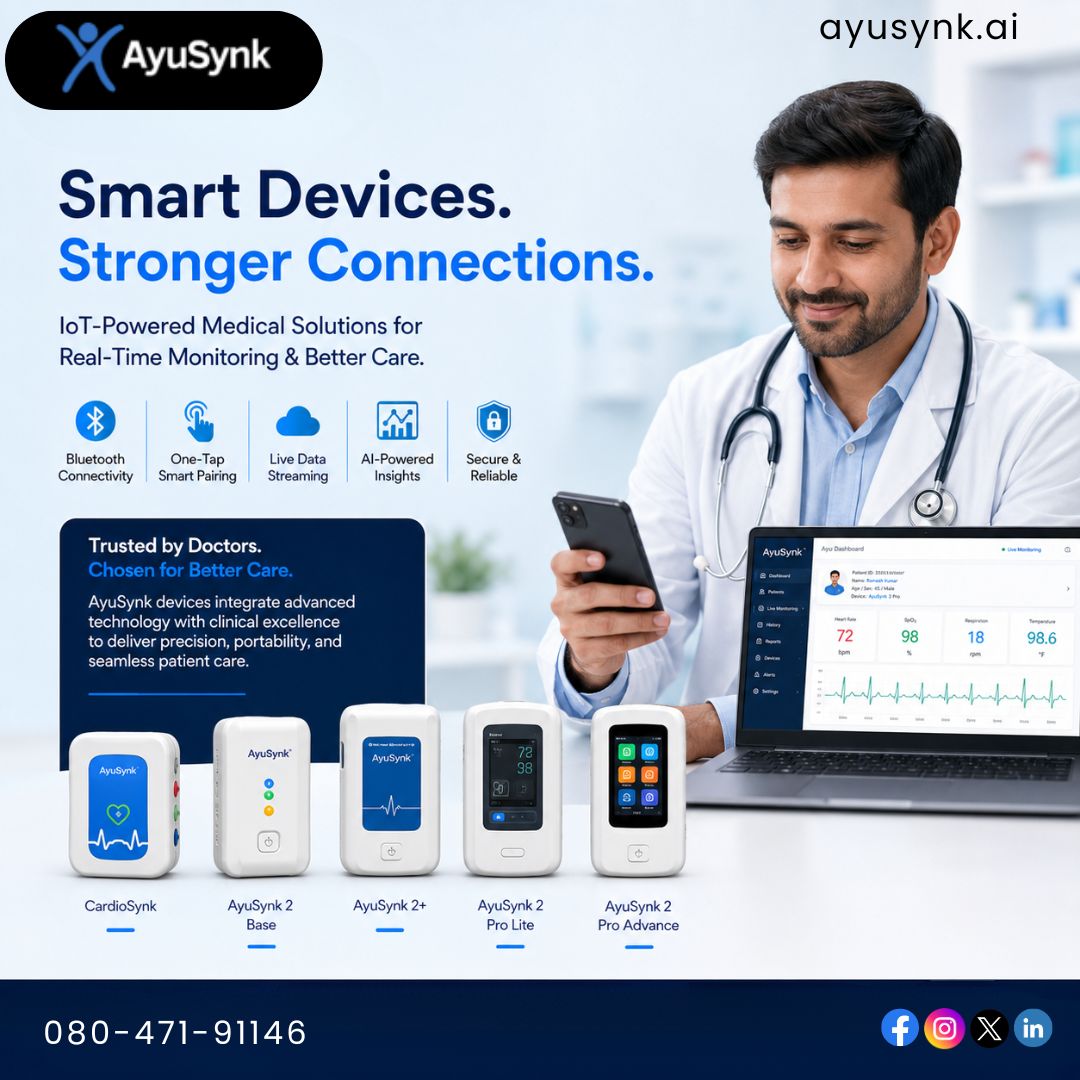
AyuSynk digital stethoscope with Bluetooth and sound clarity. Choose the best digital stethoscope for doctors, clinics, and telemedicine. and affordable digital stethoscope price in India.
Indian healthcare has changed shape considerably over the last decade. Telemedicine, once a niche offering, is now a standard part of how many patients access care — especially outside major metros where specialist access has always been limited. This shift has quietly pushed clinical tools to evolve too, and one of the clearest examples is the stethoscope, a device that had barely changed in over a century until digital and wireless versions started appearing in Indian clinics and hospitals.
This article looks at that shift specifically — why it's happening, what it actually changes for clinicians, and what to think about if you're considering the move yourself.
Why the Analog Stethoscope Started Falling Behind
The traditional analog stethoscope works entirely on acoustic principles — sound travels through tubing directly to the listener's ears, with no amplification or digital processing involved. For most of medical history, this was more than sufficient. But a few pressures have exposed its limitations more clearly in recent years:
Noisy clinical environments. Busy hospital wards, crowded outpatient departments, and general clinics in urban India are rarely quiet spaces. Subtle heart murmurs or faint lung sounds can be genuinely hard to isolate without some form of amplification.
Remote and hybrid care models. When a patient consultation happens partly or entirely over video, there's no way for a specialist to physically listen with a traditional stethoscope. This gap has become more obvious as hybrid care — part in-person, part remote — becomes more common in India.
Training and second opinions. In teaching hospitals, being able to share what one clinician hears with a supervising doctor or student in real time has genuine educational value that an analog device simply can't offer.
A wireless stethoscope directly addresses each of these gaps — not by replacing clinical skill, but by giving that skill better raw material to work with.
What Actually Changes With a Wireless Device
Share:
More in Business
View categoryE-Rickshaw Spare Parts in Lucknow: A Practical Guide for Buyers
Looking for e-rickshaw spare parts in Lucknow? Explore motors, controllers, batteries, chargers, tyres, brakes, gearboxes and more from EV Buddy.
READ ARTICLEYour Essential Guide to Basic Plumbing in Chapel Hill
Learn basic plumbing Chapel Hill homeowners should know, from leaks and clogged drains to water pressure issues, maintenance tips, and when to call a professional plumber.
READ ARTICLESoundproof Aluminium Windows: Benefits, Cost & Best Options in 2026
Choose **soundproof aluminum windows** for excellent noise reduction, modern design, durability, and improved indoor comfort for homes, offices, and commercial spaces.
READ ARTICLE