
Share:

The Shift From Analog to Wireless Stethoscopes in Indian Healthcare
AyuSynk digital stethoscope with Bluetooth and sound clarity. Choose the best digital stethoscope for doctors, clinics, and telemedicine. and affordable digital stethoscope price in India.
Indian healthcare has changed shape considerably over the last decade. Telemedicine, once a niche offering, is now a standard part of how many patients access care — especially outside major metros where specialist access has always been limited. This shift has quietly pushed clinical tools to evolve too, and one of the clearest examples is the stethoscope, a device that had barely changed in over a century until digital and wireless versions started appearing in Indian clinics and hospitals.
This article looks at that shift specifically — why it's happening, what it actually changes for clinicians, and what to think about if you're considering the move yourself.
Why the Analog Stethoscope Started Falling Behind
The traditional analog stethoscope works entirely on acoustic principles — sound travels through tubing directly to the listener's ears, with no amplification or digital processing involved. For most of medical history, this was more than sufficient. But a few pressures have exposed its limitations more clearly in recent years:
Noisy clinical environments. Busy hospital wards, crowded outpatient departments, and general clinics in urban India are rarely quiet spaces. Subtle heart murmurs or faint lung sounds can be genuinely hard to isolate without some form of amplification.
Remote and hybrid care models. When a patient consultation happens partly or entirely over video, there's no way for a specialist to physically listen with a traditional stethoscope. This gap has become more obvious as hybrid care — part in-person, part remote — becomes more common in India.
Training and second opinions. In teaching hospitals, being able to share what one clinician hears with a supervising doctor or student in real time has genuine educational value that an analog device simply can't offer.
A wireless stethoscope directly addresses each of these gaps — not by replacing clinical skill, but by giving that skill better raw material to work with.
What Actually Changes With a Wireless Device
It helps to be specific about what a wireless or digital electronic stethoscope changes in day-to-day practice, rather than treating it as a vague upgrade.
Sound amplification is usually the first noticeable difference — heart and lung sounds come through significantly louder and clearer than an analog device, which matters especially during long shifts when listening fatigue sets in.
Recording and playback allows a sound to be captured once and reviewed multiple times, rather than relying entirely on what was heard in the moment. This is particularly useful for building a more complete diagnostic picture over a patient's visit history.
Bluetooth pairing connects the device to a smartphone, tablet, or headset, removing the need for fixed tubing and opening up more flexible listening setups, including Bluetooth stethoscope for doctors using hearing aids — a genuinely underserved need in the medical community until fairly recently.
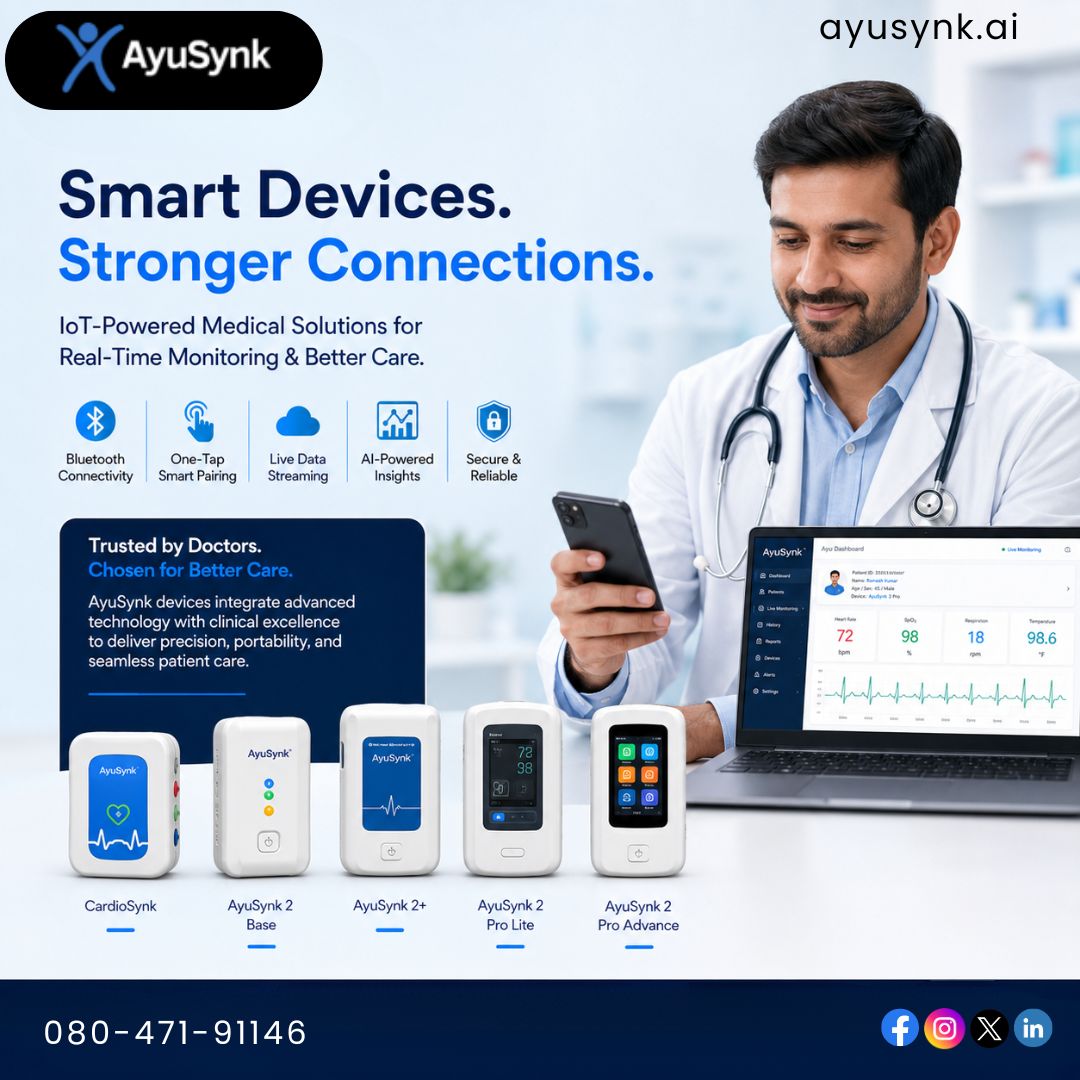
Integration with other diagnostics, such as ECG readings built into the same device, gives clinicians a more complete picture without needing to switch between separate tools. This is where devices like the CardioSynk ECG digital stethoscope fit in — combining auscultation and cardiac monitoring in one instrument.
Where This Matters Most in Indian Practice
Tier 2 and Tier 3 cities, where specialist access is often limited, benefit significantly from tools that make remote consultation genuinely useful rather than a compromise. A general physician in a smaller town can capture and share heart sounds with a cardiologist in a bigger city without the patient needing to travel.
Busy urban hospitals and clinics, where noise and patient volume both work against clear auscultation, benefit from the amplification side more directly.
Medical colleges and teaching hospitals benefit from the ability to share live or recorded sounds during training, helping students actually hear what an instructor is describing rather than relying on verbal explanation alone. Anyone shopping for their first proper instrument should look closely at what a stethoscope for medical school actually needs to offer, since a purely analog purchase early on often means an upgrade decision later anyway.
Pediatric practice presents its own challenges — children are rarely still or quiet during an exam, which makes fast, clear sound capture more valuable than in most adult consultations. This is a big part of why pediatric stethoscopes are increasingly built around quick amplification rather than just smaller chest pieces.
Making the Decision: What to Actually Compare
For clinicians weighing whether to move to a wireless device, a few practical questions tend to matter more than marketing claims:
Share:
More in Business
View categoryQR Digital ID: Your Career Identity with YuvaSetu
QR Digital ID: Your Career Identity with YuvaSetu
READ ARTICLESmart Lock Installation Dubai: Upgrade Your Property with Modern Security
Upgrade your property with professional smart lock installation in Dubai. Explore smart lock types, benefits, installation costs, and security features.
READ ARTICLEWhy Young Readers Connect With Heroes Who Show Vulnerability and Courage
Many of the most memorable characters in children’s literature are not powerful because they never feel afraid.
READ ARTICLE