
Share:

Small Display Boxes: Types, Uses and Retail Design Tips
Explore small display boxes, from countertop trays to custom printed designs. Learn how to choose suitable materials, sizes and retail layouts for products.
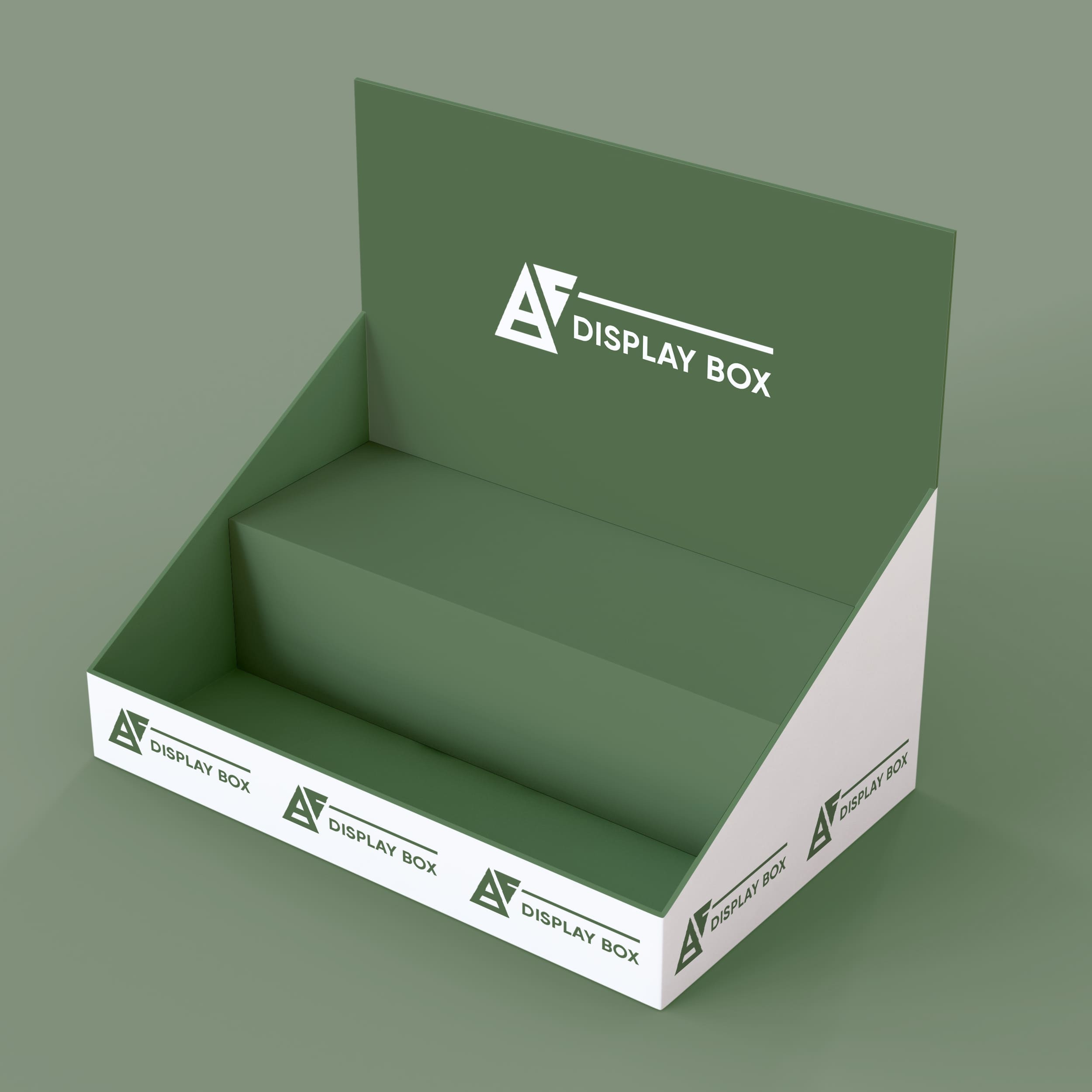
Small display boxes are compact packaging units designed to present products where customers can see and reach them, such as shop counters, shelves and point-of-sale areas. Unlike a closed product carton or shipping box, a display box often has an open top, lowered front or compartments to keep items visible and organised. The right design depends on the product, quantity and retail location.
What Are Small Display Boxes?
Small display boxes are compact retail structures for grouping products in rows or providing a branded space for samples. They may be open trays or include a back panel or header.
Unlike ordinary product cartons or transit packaging, a display box is designed for accessible presentation as well as support. Its footprint and height should suit the retailer’s shelf or counter.
Types of Small Display Boxes
Small Countertop Display Boxes
These units sit on checkout counters, service desks or promotional tables. They suit small products such as lip balms, accessories or individually packed treats. A low front improves access, while a back panel can carry a logo. Check that the base and sides support the full load without tipping.
Small Cardboard Display Trays
A display tray groups products in one open container, sometimes with a low front or dividers. It suits items sold in cartons, sachets or packets and is easy to replenish. As it offers less enclosure than a lidded box, consider whether products need protection from dust, handling or light.
Small Shelf Display Boxes
Shelf displays are sized for a particular shelf or bay. Their dimensions should leave room for neighbouring products and allow shoppers to reach the items. Confirm shelf measurements and any height or fitting restrictions before approving the design.
Custom Printed Display Boxes
Custom printed display boxes combine a display structure with brand artwork. Panels can carry a logo, colours, product name or concise instructions. Print and finish options depend on the material and production process. Keep essential information readable from the expected viewing distance.
Common Uses of Small Display Boxes in Retail
Small display boxes can present jewellery, cosmetics, candles, confectionery, stationery, craft supplies, gifts, samples and promotional packs. Jewellery may need individual slots, while boxed cosmetics can be arranged in rows.
Consider whether the product is already packed, needs to be handled or is sensitive to dust, moisture, light or pressure. For displays touching unpackaged food, confirm material suitability and relevant food-contact requirements with the supplier.
Materials Used for Small Display Boxes
Folding paperboard can suit lightweight products and compact carton-style displays. It can be printed, cut and creased into trays, sleeves and shaped structures. Choose a board grade and construction that can support the actual load. Pro Carton outlines the printing, creasing and cutting stages used for folding cartons.
Corrugated cardboard has flat paper liners bonded to a fluted inner layer. This construction adds rigidity compared with a single flat sheet, although performance varies with flute profile, paper grades and design. It may suit a display that needs additional support, but the specification should be checked against the actual load. FEFCO explains how liners and fluting form corrugated board.
Rigid board is thicker and holds its shape, making it an option for selected premium presentation boxes. It is more substantial than a simple folding tray and may not be the most economical choice for everyday counter use. Compare appearance, weight, cost and assembly requirements.
How to Choose the Right Small Display Boxes
Measure each packed product in its display position. Allow clearance for insertion and removal without leaving excess space that lets items lean. Measure the shelf or counter and check retailer requirements. For multi-layer arrangements, confirm that lower products will not be crushed and that the display can be replenished without dismantling the whole unit.
Calculate the loaded weight, quantity and need for dividers. Select a board and structure suited to the load. Check whether the display arrives flat or ready to use, and how staff will refill it. Approve a sample where possible to test fit, access, stability and artwork.
Share:
More in Business
View categoryThe Ultimate Guide to Custom Mailer Boxes
The right mailer box combines practical protection with clear brand presentation. Product size, board construction, inserts, and artwork all influence the finished package. Personalized mailer boxes can support these goals when their design reflects the product and shipping requirements.
READ ARTICLEWhere to Find Fast Notary Services in Dorchester When Legal Deadlines Hit
Sometimes a fresh ink stamp is only half the battle for a local landlord. What happens when a third-floor tenant in a Savin Hill triple decker ignores three months of overdue rent notices?
READ ARTICLE