
Share:

School Readiness Milestones Supported by OT for Kids
Discover how paediatric occupational therapy nurtures essential school readiness milestones, from fine motor strength and self care independence to sensory regulation and confident classroom play, helping Australian kids prepare for primary school.
Starting primary school is a major milestone for every Australian child and their family, bringing exciting new friendships alongside a sudden increase in daily expectations. Stepping from early learning centres or preschool into a structured classroom demands far more than reciting the alphabet or counting to twenty. Many parents exploring ot for kids Blacktown resources soon realise that genuine classroom readiness depends on physical coordination, emotional stability, sensory comfort, and practical independence. Paediatric occupational therapy nurtures these core developmental foundations through purposeful, play based activities, equipping children with the confidence they need to thrive from their very first day of term one.
Understanding True School Readiness in Australia
Looking Beyond Academic Basics
When families prepare for kindergarten, foundation, or reception, academic skills often receive the most attention. While recognising letters and numbers is helpful, early primary teachers consistently highlight that functional independence and emotional resilience matter even more during the first year of school. A child who can sit upright at a desk, manage their belongings, cope with minor disappointments, and engage comfortably with peers is far better positioned to absorb classroom lessons. Occupational therapy views school readiness holistically, focusing on the everyday tasks and subtle physical skills that allow children to participate fully in school life.
The Role of Play Based Occupational Therapy
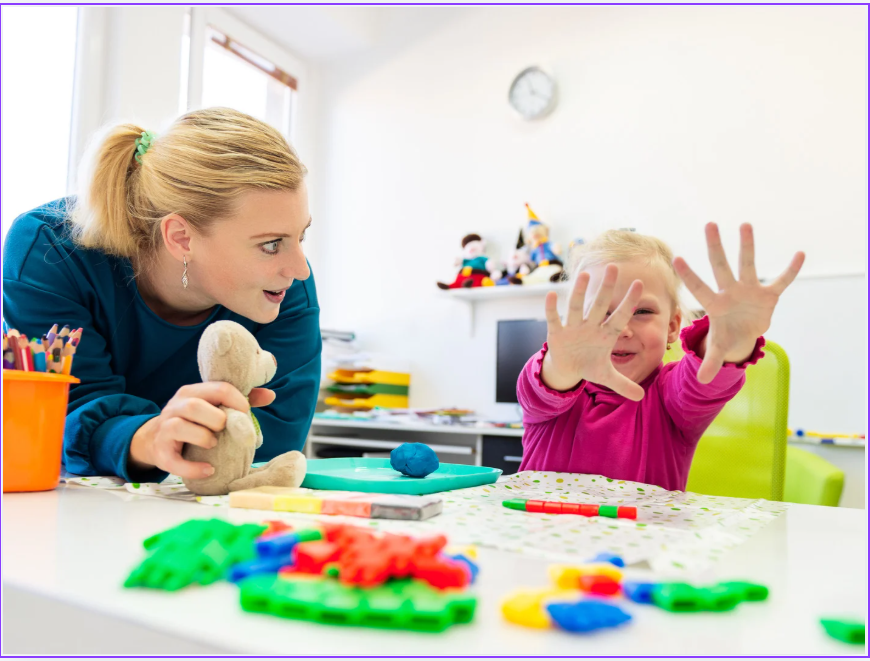
Young children learn best when their bodies and imaginations are actively engaged. Rather than relying on repetitive drills, occupational therapists use obstacle courses, tactile games, craft challenges, and role play to build underlying neural pathways. Through structured play, children strengthen muscles, refine coordination, and practise problem solving in an encouraging environment where mistakes are treated as normal steps toward mastery. This supportive approach reduces performance anxiety and builds intrinsic motivation before formal schooling begins.
Key Developmental Milestones Supported by Occupational Therapy
Fine Motor Strength and Pre Writing Control
Classroom days involve a continuous stream of hands on tasks, including holding pencils, colouring within boundaries, cutting along lines with scissors, gluing shapes, and manipulating small learning counters. Occupational therapists evaluate hand arches, finger isolation, grip strength, and bilateral coordination, which is the ability to use both hands together smoothly. When children develop healthy hand endurance and visual motor integration early, they can write and draw comfortably without experiencing hand fatigue or frustration during literacy lessons.
Gross Motor Stability and Postural Endurance
Before a child can control the small muscles in their fingers, they need a strong and stable core. Gross motor milestones such as balancing on one foot, hopping, climbing playground equipment, and catching a ball directly support classroom posture. Children with weaker core muscles often slouch at their desks, lean their heads on their hands, or fidget constantly on the classroom mat because sitting upright requires exhausting effort. Occupational therapy builds core strength, shoulder stability, and spatial awareness so children can maintain comfortable posture during floor time and table activities.
Everyday Self Care and Classroom Independence
In a busy classroom with one teacher and twenty or more students, children are expected to manage their personal routines independently. Important self care milestones include unzipping school bags, opening tight lunchbox clips, unscrewing drink bottles, putting on shoes and socks, managing uniform buttons or zips, and following complete toileting and handwashing routines. Occupational therapists break these multi step sequences into clear, achievable stages using visual cues and practical rehearsal, empowering children to look after themselves with pride.
Sensory Processing and Emotional Regulation
Primary school classrooms are rich in sensory stimulation, from bright wall displays and scraping chairs to crowded assembly halls and noisy playgrounds. Some children become easily overwhelmed by loud sounds or unexpected touch, while others seek constant movement to stay alert. Occupational therapy helps children understand their unique sensory profiles and practise simple calming strategies, such as deep breathing, quiet corner breaks, or heavy work movements. Learning to recognise big feelings early and transition smoothly between activities fosters emotional resilience and positive classroom behaviour.
Share:
More in Health
View categoryMexico’s Human Embryo Research Faces Ethical and Regulatory Challenges Amid Scientific Advancements
Mexico’s Human Embryo Research Faces Ethical and Regulatory Challenges Amid Scientific Advancements
READ ARTICLEVigRX Plus USA Complete Guide to Ingredients and Product Benefits
Explore VigRX Plus USA, including product ingredients, reviews, pricing, special offers, purchasing options, and essential information for informed supplement decisions.
READ ARTICLEFactors to Consider When You Buy VigRX Plus online Australia
Before purchasing VigRX Plus online in Australia, it is worth reviewing a few important details. Consider the ingredient list, product information, recommended usage, pricing, seller reliability, and return policies. These factors can help you assess the product more carefully and make an informed purchasing decision.