
Share:

Salt Removal From Cars: Essential Tips to Protect Your Vehicle’s Finish
Discover essential tips for salt removal from cars, including how to use a road salt remover, wash away stubborn residue, and protect your vehicle’s paint for a lasting shine.
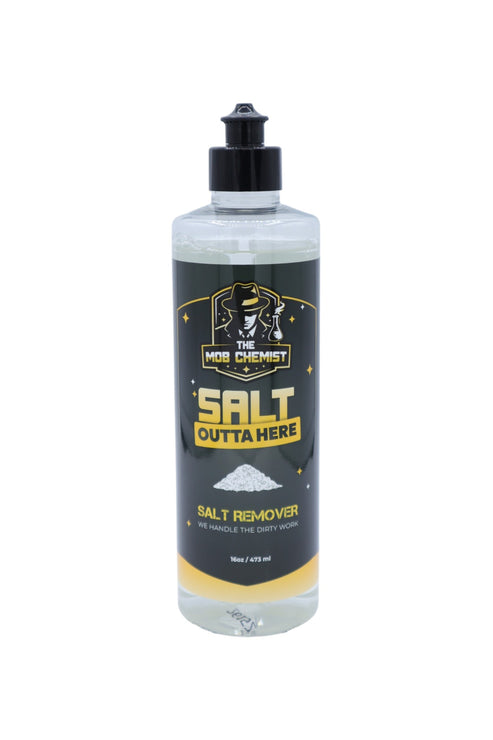
Salt removal is essential to vehicle maintenance, especially in winter when road salt, moisture, dirt, and grime can build up on your car’s exterior. Although road salt improves driving safety in icy conditions, prolonged exposure can damage automotive paint, encourage rust, and contribute to corrosion on metal components. Salt deposits can also collect around wheel wells, door panels, tires, and the undercarriage, so regular cleaning is important to protect your vehicle. Without proper care, these contaminants can gradually affect your car’s appearance and increase maintenance needs. Using a reliable road salt remover and following a consistent washing routine can help eliminate stubborn residue and keep your vehicle looking clean. Choosing a suitable car wash for salt removal, thoroughly rinsing hard-to-reach areas, and applying appropriate paint protection can further support your car care routine. Whether you drive daily or occasionally travel on salt-treated roads, preventive steps can help preserve your vehicle’s finish, reduce the effects of environmental contaminants, and maintain its appearance year-round.
Why Is Salt Removal Important for Your Car?
Road salt can stick to your vehicle's body panels, wheels, and undercarriage, where moisture encourages corrosion. Over time, accumulated residue can affect painted surfaces and damage exposed metal components. Regular salt removal helps minimize these risks and keeps your vehicle looking clean.
Drivers who frequently travel on salted roads should pay particular attention to wheel wells, door panels, and hard-to-reach areas. Choosing the right salt remover can help loosen stubborn deposits and make routine vehicle maintenance easier.
How to Remove Road Salt From Your Vehicle
1. Rinse Your Car Thoroughly
Start by rinsing your vehicle with clean water to remove loose salt, sand, and road grime. Focus on the lower body panels, wheel arches, tires, and undercarriage, where deposits commonly accumulate.
Avoid wiping dry salt directly across the paint because abrasive particles can cause scratches. A thorough pre-rinse prepares the surface for washing and helps make the cleaning process safer.
2. Use a Quality Road Salt Remover
A dedicated road salt remover can help break down salt residue and lift stubborn contamination from automotive surfaces. Choose a product specifically formulated for vehicle care and follow the manufacturer's instructions.
When selecting a salt remover car owners can use regularly, consider its compatibility with automotive paint, wheels, and other exterior materials. The right cleaning solution can remove residue without unnecessarily affecting the vehicle's finish.
3. Choose the Right Car Wash for Salt Removal
A proper car wash for salt removal involves more than rinsing the visible body panels. Use an automotive-safe car shampoo, a clean microfiber wash mitt, and plenty of water. Wash from the top of the vehicle down to the lower panels, and clean heavily contaminated areas carefully.
Rinse your wash mitt frequently to avoid transferring dirt back onto the paint. Finish with a thorough rinse to remove soap and remaining salt residue. Avoid harsh household detergents that may strip protective waxes or affect the paint's protective layer.
4. Dry and Protect Your Vehicle's Finish
After washing, dry your vehicle with a clean, soft microfiber towel. This helps prevent water spots and leaves the exterior looking cleaner. Once the surface is dry, consider applying a suitable wax or paint sealant for extra protection.
Combining regular salt removal with appropriate paint protection helps keep your vehicle looking polished and makes future cleaning easier.
Maintain Your Car's Shine With Regular Care
Consistent maintenance is one of the best ways to protect your vehicle from environmental contaminants. Inspect your car regularly for salt deposits, dull patches, and residue around trim and wheels. Vehicles exposed to salted roads, rain, or muddy conditions may require more frequent washing.
Products such as mob shine can be part of a vehicle detailing routine when the product's intended use suits the surface being treated. Always follow the product label and confirm compatibility before applying any detailing solution.
Removing road salt promptly is generally more effective than allowing deposits to accumulate. Regular washing, careful drying, and appropriate surface protection can help preserve your car's finish in different weather conditions.
Share:
More in Business
View category51 Best Platforms to Buying Verified Gmail Accounts in This Time
24 Hours Reply/Contact ➤WhatsApp:+1(215)239-4035 ➤Telegram: @Mexvoit ➤Email:mexvoitofficial@gmail.com
READ ARTICLEGmail Account Buying Guide 2026 – Everything You Need to Know
If you want to more information just contact now. 24 Hours Reply/Contact ➤WhatsApp:+1(610)322-5985 ➤Telegram:@gvexora ➤Email:gvexoraofficial@gmail.com
READ ARTICLESportswear Fabric Selection: A Complete Guide for Buyers and Brands
Learn how sportswear fabric selection affects comfort, durability, fit and performance when developing custom athletic clothing and team uniforms.