
Share:

Quality Indicators to Check Before Hiring Kitchen Manufacturers in Delhi and Gurgaon
Discover vital quality indicators before hiring kitchen manufacturers in Gurgaon. Learn what to check for lasting durability and functional design.
Finding the right culinary space for your home starts long before you pick out cabinet colors or countertop stones. Homeowners often focus entirely on surface aesthetics rather than checking core structural integrity.
A well-planned cooking area transforms how you manage daily meal preparations. Poorly built cabinets warp within a few months when exposed to steam and oil splashes from heavy Indian cooking. Knowing what defines superior manufacturing quality saves you from costly repairs down the road. When you look for the best modular kitchen in Gurgaon, you need a space that handles heat, daily moisture, and heavy cooking use without sagging or fading.
This guide walks you through essential quality markers to evaluate before you finalize any production partner. You will learn how to inspect core materials, test hardware mechanisms, and verify factory standards. Making informed choices ensures your investment delivers beauty and reliability for years.
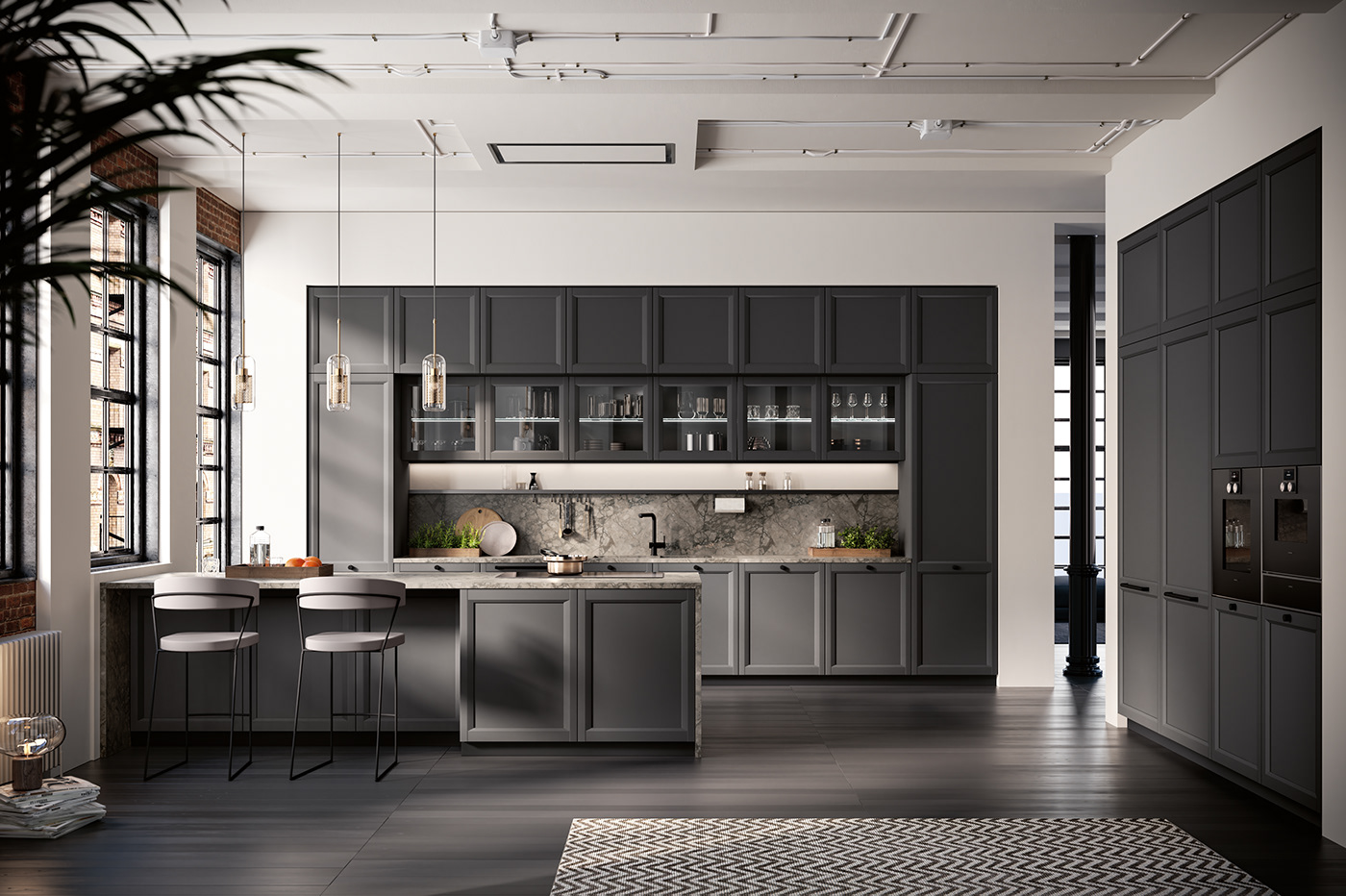
Evaluating Core Materials and Board Quality
The skeleton of your cooking space determines its actual lifespan. Many local carpenters use commercial-grade plywood or standard particle boards that absorb moisture quickly. High-end makers rely on specific engineered boards designed for humid environments.
Boiling Waterproof (BWP) plywood and High-Density High-Moisture Resistance (HDHMR) boards form the gold standard for modern setups. BWP plywood handles direct water exposure without delaminating. HDHMR boards offer a dense, smooth surface that resists swelling and provides a flawless base for high-gloss laminates or PU paints.
Material Type | Best Use Area | Key Benefit |
BWP Plywood | Under-sink and wet zones | Maximum resistance to water and steam |
HDHMR Boards | Shutters and dry cabinets | High density, smooth finish, termite resistant |
Acrylic Panels | Visible outer facades | Reflective, premium gloss look |
Always ask your fabricator for material test certificates. Certified boards protect your investment from premature structural failure.
The Importance of Machine Edge-Banding
Edges are the most vulnerable points of any wooden panel. If moisture seeps into unsealed edges, the core material expands and ruins the cabinet door.
Traditional manual edge-gluing often leaves microscopic gaps where water vapor enters. Advanced production units use heavy-duty automated machinery to apply thick PVC edge bands under high heat. This process creates a seamless seal that locks out humidity completely.
- Check the thickness: Quality edge bands measure between 0.8mm and 1.3mm.
- Run your fingers along corners: The transition should feel smooth, with no sharp edges or glue residue.
- Inspect hidden areas: Bottom panels and shelf edges must be sealed just as securely as exterior doors.
Hardware Reliability and Motion Engineering
Cabinets and drawers experience constant movement every single day. Flimsy hinges and drawer channels start squeaking, sagging, or jamming within months of regular use.
Brands that prioritize long-term performance source their motion hardware from globally trusted names like Blum, Hettich, or Kesseböhmer. These engineered components undergo rigorous cycle testing to ensure smooth gliding under heavy loads.
Key Hardware Elements to Verify
- Soft-Close Runners: Ensure drawers glide shut silently without slamming, even when packed with heavy utensils.
- Hydraulic Hinges: Test cabinet doors for multi-angle adjustment and stable weight distribution.
- Corner Pull-Outs: Verify that magic corners and swing trays move effortlessly without catching on interior walls.
Robust hardware transforms a standard cabinet into an ergonomic storage system that minimizes physical strain during cooking tasks.
Manufacturing Precision and Factory Capabilities
The difference between a mediocre local fabrication and a precision build lies in factory technology. On-site cutting often leads to uneven millimeter gaps and misaligned doors.
Leading workshops utilize computerized numerical control (CNC) machinery and beam saws to achieve exact dimensional accuracy. When panels are cut with microscopic precision, assembly becomes tight and stable.
Share:
More in Business
View categoryBuy Affordable Commercial Land and Plots in Gurgaon Today
Looking to buy affordable commercial land and plots in Gurgaon today? Explore top high-growth corridors, SCO formats, legal checklists, and ROI insights now.
HDPE Duct Coupler Solutions For Modern Underground Fiber Networks
HDPE Duct Coupler
READ ARTICLE