
Share:

Professional Tree Care: How to Keep Trees Healthy, Safe, and Well Managed
A trained tree-care professional examining the trunk, branches, and canopy of a mature residential tree, with appropriate safety equipment and tools visible nearby.
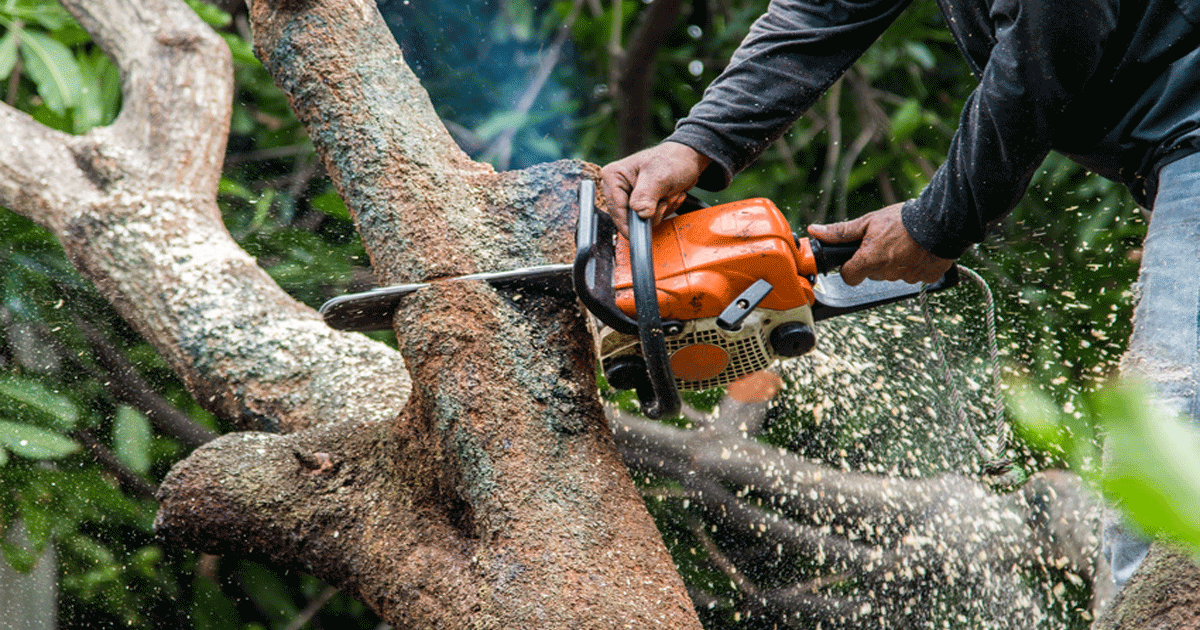
A trained tree-care professional examining the trunk, branches, and canopy of a mature residential tree, with appropriate safety equipment and tools visible nearby.
A Practical Approach to Maintaining Healthy and Safe Trees
Trees add shade, character, privacy, and environmental value to residential and commercial properties, but they also require thoughtful maintenance. Healthy-looking trees can still develop weak branches, structural defects, disease, decay, or root-related problems that are difficult for an untrained property owner to recognize.
That is why professional tree care services involve much more than cutting branches. Effective tree maintenance begins with understanding the condition of the tree, identifying potential hazards, and choosing the least disruptive method for addressing the problem. Pruning, tree removal, stump management, storm-damage assessment, and routine inspections all require different approaches.
For property owners who need assistance with , the goal should be to preserve healthy growth while reducing avoidable risks. A well-planned maintenance program can also help identify developing problems before they become expensive or dangerous.
This guide explains the fundamentals of responsible tree care, when professional attention may be necessary, common mistakes to avoid, and how property owners can approach tree maintenance more effectively.
Why Regular Tree Care Matters
Trees are living structures that continue to change as they grow. Branches become heavier, crowns become denser, roots expand, and environmental conditions can alter the way a tree responds to wind and weather.
Routine professional tree care services can help property owners understand these changes before they result in a serious problem.
Regular observation may reveal:
- Dead or declining branches
- Broken limbs
- Excessively dense growth
- Weak branch attachments
- Trunk cracks
- Cavities or visible decay
- Root damage
- Signs of pests or disease
- Branches interfering with buildings or utility infrastructure
- Storm-related structural damage
Not every defect requires immediate removal. In some cases, selective pruning or monitoring may be appropriate. The correct response depends on the tree species, condition, location, structural characteristics, and surrounding environment.
Understanding the Difference Between Pruning and Removal
One of the most important decisions in tree maintenance is determining whether a tree needs pruning or complete removal.
Tree Pruning
Pruning involves selectively removing branches to address a specific objective. Depending on the situation, pruning may be used to remove deadwood, reduce conflicts with structures, improve clearance, or address certain structural problems.
Good pruning should have a clear purpose. Removing healthy branches simply because a tree appears too large can create unnecessary stress and may encourage weak or undesirable growth.
A thoughtful pruning approach considers the tree's natural form rather than attempting to force it into an unnatural shape.
Tree Removal
Tree removal is a much more substantial procedure. It may become necessary when a tree is dead, severely damaged, structurally unstable, or positioned where it creates an unavoidable hazard.
Removal should not automatically be considered the solution to every tree problem. A qualified assessment can help determine whether the tree can reasonably be retained through pruning or other management techniques.
Share:
More in Business
View category150 Best Sites to Buy Snapchat Accounts (Aged & Cheap)
✔✔💡🤝 Need more details? We’re here 24 hours — Just reach out! ✔✔WhatsApp: + 1 (830) 739-8217 ✔✔Telegram: @getpvasmm ✔✔Email: getpvasmm@gmail.com ✔✔Discord: getpvasmm
READ ARTICLEThe Ultimate Guide to Buying Old Yahoo Accounts In USA
✔✔💡🤝 Need more details? We’re here 24 hours — Just reach out! ✔✔WhatsApp: + 1 (830) 739-8217 ✔✔Telegram: @getpvasmm ✔✔Email: getpvasmm@gmail.com ✔✔Discord: getpvasmm
READ ARTICLETop 40 Website to Buy LinkedIn Accounts ...
✔✔💡🤝 Need more details? We’re here 24 hours — Just reach out! ✔✔WhatsApp: + 1 (830) 739-8217 ✔✔Telegram: @getpvasmm ✔✔Email: getpvasmm@gmail.com ✔✔Discord: getpvasmm
READ ARTICLEBest 77 Marketplaces for Buying Old Twitter Accounts Safely
✔✔💡🤝 Need more details? We’re here 24 hours — Just reach out! ✔✔WhatsApp: + 1 (830) 739-8217 ✔✔Telegram: @getpvasmm ✔✔Email: getpvasmm@gmail.com ✔✔Discord: getpvasmm
READ ARTICLE