
Globhy
MPMedia Post 3457 minutes ago1 views

Share:

Modular Storage: A Smarter Approach to Modern Home Organization

Business

Modular Storage offers a smart and space-saving way to keep modern interiors organized. Designed with clean lines and a contemporary finish, these flexible storage units can be customized to suit different room layouts and storage needs.
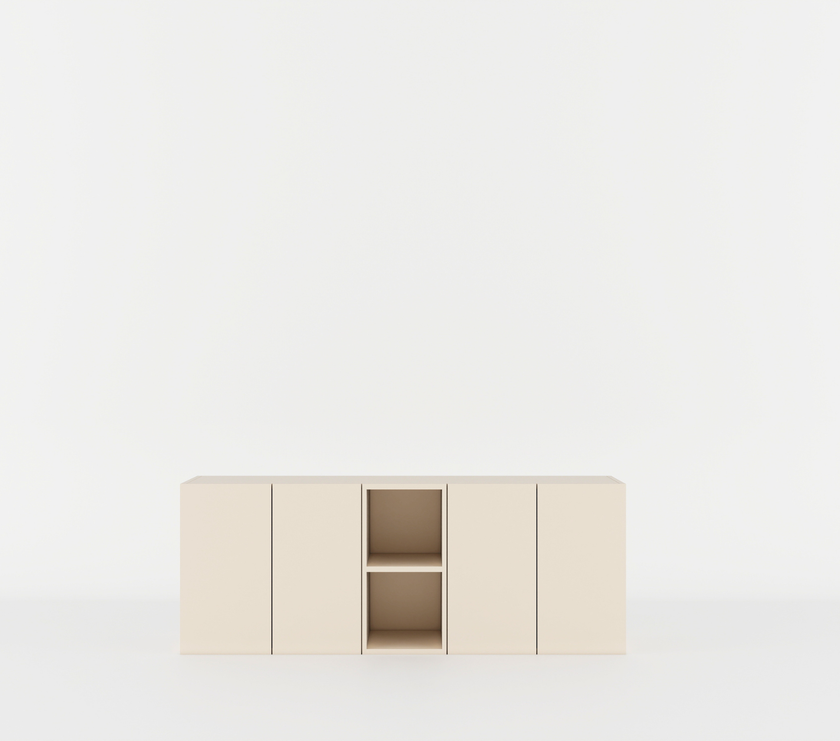
Modular Storage: A Smarter Approach to Modern Home Organization

Modern homes increasingly need to do more with less space. Whether you live in a compact apartment, a busy family home, or a multifunctional urban residence, keeping belongings organized without compromising style can be a challenge. Traditional cabinets and fixed shelving may provide storage, but they are not always flexible enough to adapt as needs change.

This is where modular storage offers a practical alternative. Designed around flexibility, functionality, and contemporary aesthetics, modular systems can help homeowners create organized spaces that evolve with their lifestyles.

What Is Modular Storage?

At its simplest, modular storage is a collection of individual components that can be arranged, combined, or expanded according to a room's requirements. Instead of relying on one large, permanent storage unit, homeowners can build a configuration that suits their available space.

Flexibility for Different Spaces

One of the biggest advantages of modular furniture is adaptability. A storage system can be designed around awkward corners, limited wall space, changing room layouts, or specific organizational requirements. Components can often be combined in different ways, making them suitable for bedrooms, living rooms, home offices, hallways, and other areas.

This flexibility is particularly valuable in smaller homes. Rather than filling a room with several unrelated pieces of furniture, a coordinated storage system can make better use of vertical and horizontal space while maintaining a cleaner appearance.

Storage That Can Evolve

Household needs rarely remain the same. A home office may eventually become a child's room, a spare bedroom may become a workspace, or a growing family may simply accumulate more belongings. Fixed furniture can become inconvenient when these changes occur.

A modular approach makes it easier to adjust storage as circumstances change. Additional units can potentially be incorporated, while existing pieces may be rearranged to create a new configuration.

Why Modular Storage Works Well in Modern Interiors

Contemporary interior design often emphasizes simplicity, clean lines, and purposeful furniture. Storage plays an important role in achieving this look because clutter can quickly overwhelm an otherwise carefully designed room.

Combining Function and Appearance

Effective storage should not only hide or organize belongings; it should also complement the surrounding interior. Neutral finishes, streamlined profiles, and coordinated components can allow storage furniture to blend naturally with modern décor.

For homeowners who prefer a minimalist environment, modular furniture can provide practical organization without making a room feel crowded. Open and closed storage elements can also be combined to balance accessibility with visual simplicity.

Making Better Use of Vertical Space

Floor area is often limited, particularly in apartments and smaller homes. Using vertical space can increase storage capacity without requiring a larger footprint.

Tall cabinets and upper storage units can provide additional room for items that are used less frequently. Meanwhile, frequently accessed belongings can remain within easy reach at lower levels. This layered approach can make a room feel more organized while maximizing available space.

How to Plan a Modular Storage System

Choosing a storage solution should begin with the needs of the room rather than the appearance of the furniture alone.

Assess Your Space

Start by measuring the available wall and floor area. Consider doors, windows, electrical outlets, heating elements, and walkways that could affect the placement of furniture.

It is also useful to think about how the room is used. A living room may need a combination of display and concealed storage, while a bedroom might prioritize clothing, linens, and personal belongings.

Identify What Needs to Be Stored

Before selecting components, categorize the items you want to organize. Books, electronics, clothing, documents, décor, and household supplies may require different types of compartments.

Understanding these requirements can help prevent wasted space and make the final arrangement more practical. Frequently used items should generally be easy to access, while seasonal or occasional belongings can be placed in less accessible areas.

Think Beyond Today

One of the key benefits of modular furniture is its potential to accommodate future changes. Instead of planning solely for what you own today, consider how your storage requirements could develop over the next few years.

A well-planned modular system can provide a foundation that remains useful even as your lifestyle, possessions, or room functions change. Its flexible design allows storage components to be rearranged, expanded, or adapted as new needs arise. Whether used in a bedroom, home office, living area, or multifunctional space, modular storage helps maintain an organized and clutter-free environment. Adjustable shelves, cabinets, and compartments can accommodate items of different sizes while making better use of available space. This adaptability also makes modular furniture a practical long-term investment, as it can evolve with changing preferences rather than requiring a complete replacement. With thoughtful planning, modular storage combines convenience, functionality, and modern design while supporting an efficient and comfortable living space.

Creating a More Organized Home

Good storage can influence more than the appearance of a room. When belongings have designated places, everyday tasks can become easier and spaces can feel calmer.

Modular storage supports this approach by giving homeowners greater control over how their possessions are arranged. Rather than forcing belongings into predetermined compartments, the storage configuration can be selected around the household's actual needs.

A Balance of Accessibility and Order

The most effective organization systems make frequently used items convenient to reach while keeping less-used possessions neatly contained. Combining drawers, cabinets, shelves, and other storage elements can create this balance.

It is also worth leaving some flexibility in the arrangement. Overfilling every compartment can make a storage system difficult to maintain, whereas a little spare capacity allows for future additions.

Conclusion

As homes become increasingly multifunctional, furniture needs to offer more than a fixed purpose. Modular storage provides a flexible way to organize belongings while supporting changing lifestyles, limited floor plans, and modern design preferences. With thoughtful planning, the right combination of components can help create a home that feels both practical and visually balanced.

For homeowners exploring adaptable furniture solutions, collections such as those offered by DUO Concepts demonstrate how storage can be integrated into contemporary living spaces without sacrificing functionality. The goal is not simply to add more places to put things, but to create an organization system that works naturally with the way people live.

Share:

More in Business

View category