
Share:
Liner Laminates: Uses, Benefits, Applications & How to Choose the Right One
Discover how liner laminates enhance drawer, cabinet, wardrobe and furniture interiors with a clean, practical finish. Learn their uses, benefits, applications and selection tips.
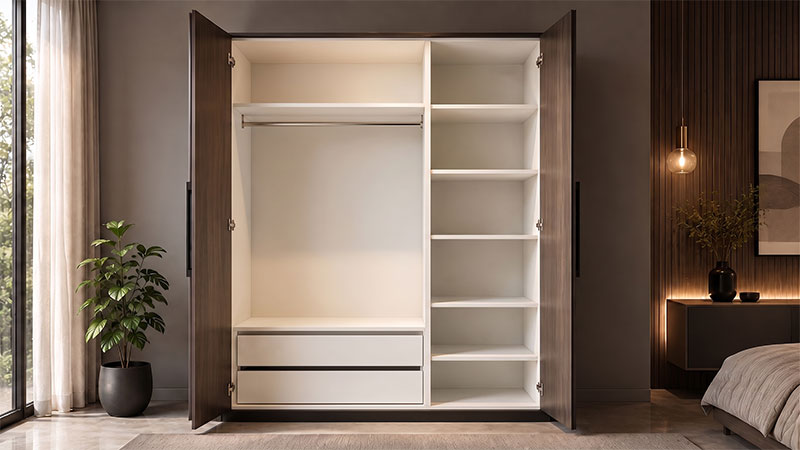

When we plan the visible surfaces of furniture, it is easy to focus on the outer finish. The colour, texture, pattern and overall appearance usually get most of the attention. But the inside of a cabinet, drawer or storage unit also needs a suitable surface. This is where liner laminates become useful.
Liner laminates are designed primarily for interior and concealed surfaces of furniture and cabinetry. They provide a clean, finished appearance while helping protect the substrate from everyday use. They are commonly used inside drawers, cabinets, wardrobes, cupboards, shelves and other furniture components where a practical and neat interior finish is required.
Unlike decorative laminates selected mainly for their visual impact, liner laminates are generally chosen for their functional role. They can complement the exterior laminate while giving the internal surfaces a more consistent and finished appearance.
What Are Liner Laminates?
Liner laminates are laminate sheets used on the inside or concealed surfaces of furniture and interior applications. They are particularly suitable for areas such as drawer interiors, cabinet interiors, wardrobe compartments, storage units and shelves.
The main purpose is to create a finished internal surface instead of leaving the substrate exposed. Depending on the furniture construction, the underlying material may be plywood, MDF, particle board or another suitable board. Applying a liner laminate creates a more uniform surface that is easier to maintain and gives the furniture a more complete finish.
For furniture manufacturers, interior designers and contractors, this small detail can make a noticeable difference to the final quality of a project.
Where Are Liner Laminates Used?
Liner laminates have a wide range of applications because many furniture elements have surfaces that remain visible when the doors or drawers are opened.
1. Drawer Interiors
Drawers are one of the most common applications for liner laminates. Kitchen drawers, bedroom storage drawers, office units and vanity drawers are opened and closed frequently, making the interior finish important.
A suitable liner laminate provides a clean surface inside the drawer and creates a more finished appearance. It can also make the interior easier to wipe and maintain during regular use.
2. Kitchen Cabinets
Kitchen cabinets have both visible and concealed surfaces. While decorative laminates are often selected for the exterior shutters, liner laminates can be used on the inside of cabinets and storage compartments.
This creates a consistent finish throughout the cabinet and helps avoid leaving raw board surfaces exposed.
3. Wardrobe Interiors
Wardrobes contain shelves, drawers, side panels and storage compartments that are frequently accessed. Liner laminates can be used for these internal surfaces to create a neat and coordinated appearance.
For modern wardrobes, the interior finish can be selected to complement the exterior colour. Light neutral shades are particularly practical because they keep the interior visually bright.
4. Storage Cabinets
Storage furniture used in homes, offices, retail spaces and commercial interiors can benefit from liner laminates. They can be applied to internal shelves, cabinet sides and compartments where a finished surface is required.
5. Office Furniture
Workstations, filing cabinets, storage units and office cupboards can incorporate liner laminates on their concealed surfaces. They provide a finished appearance without requiring the same decorative treatment used on prominent exterior surfaces.
6. Retail and Commercial Furniture
Display counters, storage units, reception furniture and other commercial fixtures often require a practical interior finish. Liner laminates can help create a consistent appearance across both visible and concealed areas.
Why Use Liner Laminates Inside Furniture?
The inside of furniture may not be visible all the time, but it still contributes to the overall quality of the product. A well-finished interior can make furniture feel more complete and thoughtfully designed.
A Cleaner Interior Finish
Raw plywood, MDF or particle board can look unfinished when left exposed. Liner laminates cover these surfaces and provide a cleaner appearance.
Better Visual Consistency
Using a coordinated liner laminate can help the interior relate visually to the outer finish. The result is furniture that looks considered from the outside as well as the inside.
Practical Everyday Surface
Furniture interiors are exposed to dust, handling and regular contact. A suitable laminate surface gives these areas a finished layer that can be maintained as part of routine cleaning.
Improved Perceived Quality
When a drawer or cabinet is opened, the interior immediately becomes part of the user's experience. A neat laminated surface can contribute to the perception of better furniture craftsmanship.
Liner Laminates vs Decorative Laminates
The two serve different purposes, even though both are laminate products.
Decorative laminates are generally selected for prominent surfaces where colour, texture, pattern and design play a major role. They are widely used on wardrobe shutters, kitchen cabinets, furniture fronts, wall panels, tables and other visible surfaces.
Liner laminates, on the other hand, are primarily intended for internal or concealed surfaces. Their purpose is more focused on providing a practical, clean and finished interior.
For a furniture project, we can therefore use decorative laminates on the exterior and liner laminates on suitable internal surfaces. This combination provides both visual appeal and functional finishing.
How to Choose the Right Liner Laminate
Choosing a liner laminate does not have to be complicated, but a few practical factors should be considered before finalising the material.
Consider the Application
First, we should identify where the laminate will be installed. A drawer interior may have different requirements from a wardrobe shelf or kitchen cabinet.
Understanding the application helps us select a suitable finish and specification.
Choose a Practical Colour
Lighter shades are commonly suitable for interiors because they create a bright and clean appearance. White, off-white, beige, light grey and other neutral shades can work particularly well inside cabinets and drawers.
The choice can also depend on the exterior laminate. A contrasting interior can create a deliberate design effect, while a matching shade provides a more coordinated appearance.
Pay Attention to Surface Finish
The surface should suit the way the furniture will be used. A simple, practical finish is often preferable for internal areas where ease of maintenance is more important than elaborate decoration.
Check Product Quality
We should always consider the quality and consistency of the laminate before selecting it for a project. A reliable laminate manufacturer can provide product specifications and guidance regarding appropriate applications.
Consistent sheet quality is particularly important for furniture manufacturers working on multiple units, where variations in finish can affect the final result.
Liner Laminates for Kitchen Interiors
Kitchens are one of the areas where internal finishing deserves particular attention. Cabinets and drawers are opened repeatedly throughout the day, while food particles, dust and moisture can occasionally come into contact with internal surfaces.
Using suitable liner laminates inside kitchen furniture can provide a cleaner and more finished appearance. They can be used for cabinet interiors, shelves, drawer sides and other suitable surfaces according to the furniture construction.
For kitchen projects, we recommend considering the overall combination of exterior decorative laminates and interior liners at the design stage rather than treating the interior finish as an afterthought.
Liner Laminates for Wardrobes and Bedroom Furniture
Wardrobe interiors often include multiple shelves, drawers and compartments. Since these areas are used regularly, the finish should look neat and remain practical for everyday maintenance.
A neutral liner laminate can work particularly well with woodgrain, solid-colour, matte or textured exterior laminates. For example, a dark wardrobe exterior can be paired with a lighter internal finish to make shelves and compartments easier to see.
In bedroom furniture, liner laminates can also be considered for dressing tables, bedside storage and other concealed surfaces.
Maintenance of Liner Laminated Surfaces
One of the advantages of a finished internal surface is that routine cleaning can be straightforward.
For everyday maintenance, we can generally use a soft cloth to remove dust and surface dirt. When necessary, a lightly damp cloth can be used, followed by a dry cloth.
Harsh abrasive cleaners, excessively wet cleaning methods and rough scrubbing should be avoided unless specifically permitted by the product manufacturer. The correct cleaning method can vary according to the laminate specification and installation.
Good maintenance habits are especially useful in kitchens and frequently used storage furniture.
Common Mistakes to Avoid When Using Liner Laminates
Ignoring the Interior Finish
One common mistake is to spend considerable effort selecting the exterior laminate while leaving the inside surfaces untreated or poorly finished. Since drawers and cabinets are opened regularly, the interior becomes part of the everyday user experience.
Choosing Only on Price
Price is an important consideration, particularly for large furniture projects, but it should not be the only deciding factor. Sheet consistency, surface quality, application suitability and manufacturer support should also be considered.
Using the Wrong Product for the Application
Not every laminate is intended for every type of furniture surface. We should always check the manufacturer's specifications and installation recommendations before application.
Poor Surface Preparation
Even a good laminate may not produce the desired result if the substrate is uneven, dirty or improperly prepared. Proper preparation and adhesive application are important for achieving a clean and durable finish.
Liner Laminates in Modern Furniture Design
Modern furniture design increasingly focuses on complete detailing. Minimalist wardrobes, handleless kitchens, modular storage systems and customised furniture are designed with attention to both appearance and usability.
This makes internal surfaces more important than they may initially appear.
A beautifully designed cabinet can lose some of its visual appeal when the doors open to reveal unfinished or inconsistent interiors. Liner laminates provide a practical way to maintain a finished appearance throughout the furniture.
They also give designers greater freedom to coordinate interior and exterior surfaces. A simple neutral liner can complement a bold decorative laminate, while a coordinated shade can create a seamless visual transition.
How a Laminate Manufacturer Supports Better Furniture Finishing
Working with an established laminate manufacturer can make product selection easier, especially for projects involving large quantities or multiple furniture applications.
A manufacturer with a broad laminate range can provide options for both prominent decorative surfaces and practical internal applications. Product consistency, technical information, colour availability and application guidance are all useful when planning a project.
For architects, interior designers, contractors and furniture manufacturers, having access to reliable laminate specifications also helps simplify material selection across residential and commercial projects.
Are Liner Laminates Worth Using?
Liner laminates may not be the first material considered when planning furniture, but they can play an important role in the final finish. They provide a practical solution for internal surfaces that would otherwise remain exposed or unfinished.
From kitchen drawers and wardrobe compartments to office cabinets and commercial storage, these laminates can help create a cleaner and more consistent furniture interior.
The right selection depends on the application, desired appearance, surface requirements and overall furniture design. By considering the interior finish alongside the exterior laminate, we can create furniture that feels complete rather than focusing only on the surfaces that are visible at first glance.
Frequently Asked Questions About Liner Laminates
What are liner laminates used for?
Liner laminates are primarily used on internal and concealed furniture surfaces. Common applications include drawer interiors, kitchen cabinets, wardrobes, cupboards, shelves and storage units.
Can liner laminates be used inside kitchen cabinets?
Yes, suitable liner laminates can be used for internal kitchen cabinet surfaces, drawers and shelves, subject to the product's recommended application and installation requirements.
Are liner laminates the same as decorative laminates?
No. Decorative laminates are generally selected for visible surfaces because of their colours, patterns and textures. Liner laminates are primarily intended for internal or concealed surfaces where a practical finished appearance is required.
Which colour is suitable for liner laminates?
Light and neutral shades such as white, off-white, beige and light grey are popular choices for furniture interiors because they create a clean and bright appearance. The final choice should complement the overall furniture design.
Can liner laminates be used for wardrobes?
Yes. They can be considered for wardrobe shelves, drawers, side panels and other suitable internal surfaces, depending on the furniture construction and product specifications.
What should we check before buying liner laminates?
We should consider the intended application, sheet quality, surface finish, colour, dimensions, installation requirements and manufacturer's recommendations. For larger projects, consistent quality and availability are also important factors.
Final Thoughts
A well-designed piece of furniture should look finished from every practical viewpoint, not just from the front. Liner laminates help address the surfaces that are often overlooked, including drawers, cabinet interiors, wardrobes and storage compartments.
When selected correctly, they can provide a clean internal finish, complement decorative exterior laminates and contribute to a more complete furniture design. For residential, office, retail and commercial applications, treating internal surfaces with the same attention as visible areas can make a meaningful difference to the finished product.
By choosing suitable materials and working with a reliable laminate manufacturer, we can achieve a consistent combination of appearance, practicality and finish across the entire furniture project.
Share:
More in Business
View category
How to Choose the Right Event Planner in Noida
Learn how to choose the right event planner Noida for your corporate event. Compare experience, services, pricing, reviews, and event expertise.
READ ARTICLE
Who Needs ISO 45001 Certification to Improve Occupational Health and Safety?
A workplace can have warning signs, safety shoes, and a well-stocked first-aid box. But does that mean it is truly safe? Not necessarily. Occupational health and safety depends on much more than protective equipment or an annual safety briefing
READ ARTICLE
Certification Halal : Comprendre les exigences, le processus et les avantages
Certification Halal
READ ARTICLE
LMS Modules: 13 Essential Enterprise LMS Components
Learn how LMS modules help businesses organize training content, manage learners, track progress, automate tasks, and improve learning programs.
READ ARTICLE