
Share:

IT Support Outsourcing for Retail and E-commerce Businesses
Every provider packages its services differently, so it's worth checking exactly what's included. For retail and e-commerce businesses, the work usually falls into three areas.

What an Outsourced IT Partner Typically Handles
In your stores
- POS hardware and software, including setup, updates and troubleshooting
- Card terminals and their connection to your payment provider
- Store networks, Wi-Fi and internet connections, with a backup connection where it matters
- Receipt and label printers, barcode scanners and tablets for staff
- New store setup and store closures, including moving or wiping devices
Online
- Monitoring of your website or e-commerce platform for uptime, speed and errors
- Payment gateway issues and checkout errors
- Integrations with marketplaces, shipping providers, accounting and ERP systems
- Plugin, theme and platform updates, tested before they go live
- Support for your team on the platform's back office
Behind the scenes
- Helpdesk for head office, warehouse and store staff
- Account creation and removal for new and departing staff
- Endpoint protection, patching and security monitoring
- Backups of customer, order and product data, with regular restore tests
- Office systems such as Microsoft 365 or Google Workspace
If you sell on a hosted platform such as Shopify, the platform provider takes care of hosting and core security. Your IT partner then focuses on everything around it: apps and integrations, your stores, your devices and your staff. With self-hosted platforms such as Magento or WooCommerce, or a custom-built shop, the partner usually takes on more, including servers, updates and security patches. Our web application development team often works alongside support on these custom setups.
Preparing for Peak Sales Events
For many retailers in Southeast Asia, a handful of days such as 11.11, 12.12, Black Friday and the run-up to Lunar New Year can make up a large share of the year's online sales. They're also the days when systems are most likely to fail, because traffic, orders and integrations are all under pressure at once.
A good IT partner treats peak season as a project, not as a normal week with more tickets. Here's what that preparation typically looks like.
When | What to do |
|---|---|
6 to 8 weeks before | Review last year's problems. Check hosting capacity, payment gateway limits and marketplace API limits. Plan any updates now, not later. |
2 to 4 weeks before | Load test the website and checkout. Test stock sync between stores, website and marketplaces. Check backups and restore a sample. |
1 week before | Freeze changes: no new plugins, no platform updates, no new integrations. Confirm who is on call and how to reach them. |
During the event | Extended or 24/7 coverage. Live monitoring of site speed, error rates, payment success and order flow. A direct line between your team and the support team. |
After the event | Review what went wrong and what nearly went wrong. Remove temporary accounts and settings. Write down lessons for next year. |
The change freeze is the step people most often skip, and it's usually the one that prevents a disaster. Many peak-day outages start with a "small" update pushed a few days earlier.
Security and Compliance for Retailers
Most retailers don't need to become compliance experts, but they do need to know which rules apply and make sure their IT partner works within them. Two frameworks come up most often in Singapore and Malaysia.
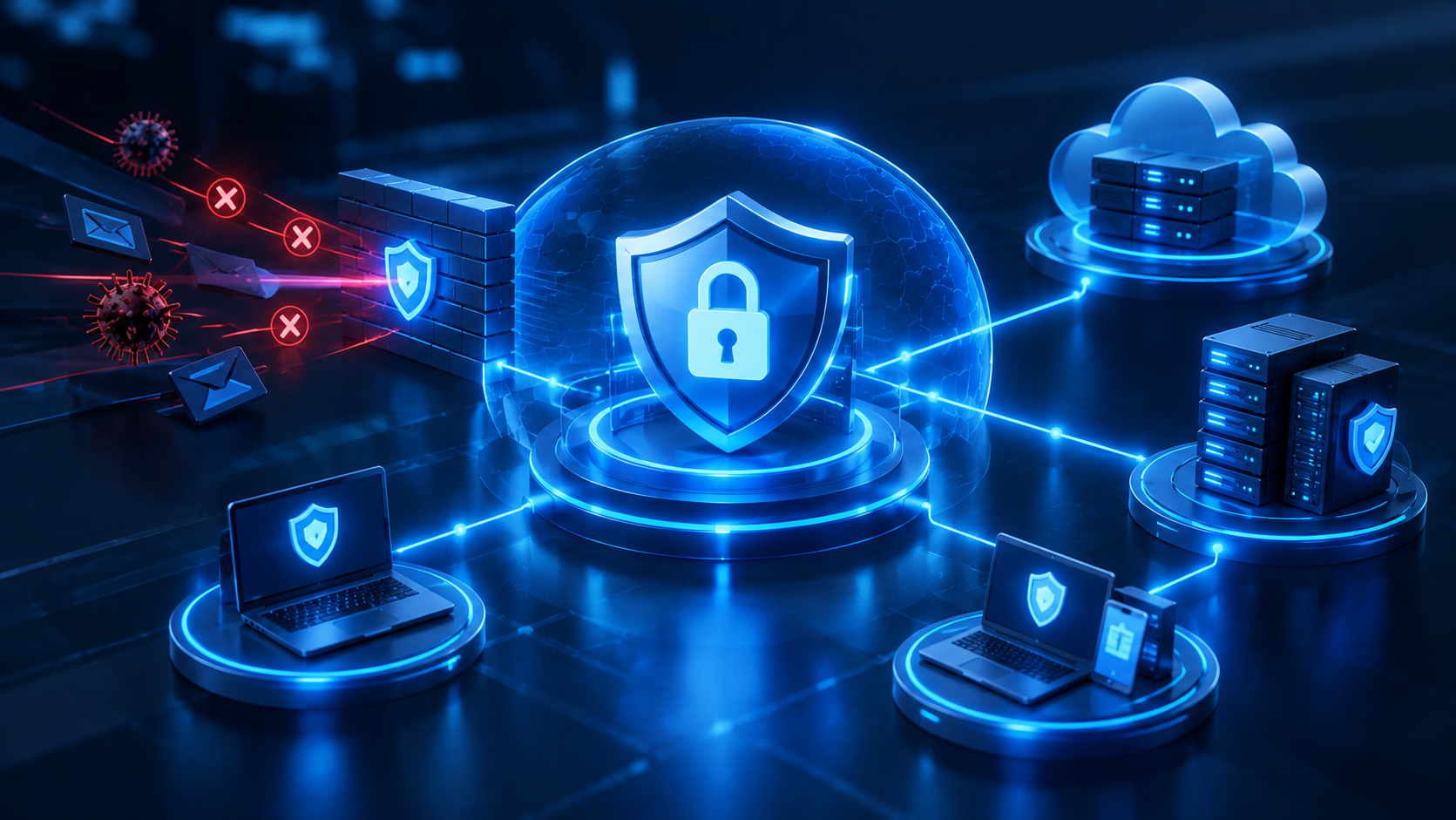
Security and Compliance for Retailers
PCI DSS for card payments
PCI DSS is the security standard set by the payment card industry for anyone who stores, processes or transmits card data. The current version is 4.0.1, and the future-dated requirements introduced in version 4.0 became mandatory on 31 March 2025. They include stronger rules on multi-factor authentication and on protecting payment pages from malicious scripts.
How much of PCI DSS applies to you depends on how you take payments. If your checkout redirects to a payment provider and card data never touches your systems, your scope is much smaller. If you run your own payment page or store card data, it's much larger. Your acquiring bank or payment provider can tell you which self-assessment questionnaire applies to you.
Data protection laws
Share:
More in Business
View categoryTracking Global Chemical Markets: How Pricing Intelligence Supports Better Decisions
Chemical prices climbed in October with majority of gains coming from costs and restocking rather than stronger end- use demand.
What Should Buyers Know About Waterfront Living in Fort Mohave, AZ?
Imagine starting your day with calm water views, fresh air, and easy access to outdoor fun. Waterfront living in Fort Mohave, AZ, brings a special lifestyle for people who enjoy boating, fishing, and quiet evenings by the water.
READ ARTICLEOSS BSS System and Platform Market: Industry Dynamics, Competitive Landscape and Future Prospects
OSS BSS System and Platform Market size is expected to grow at 13.7% throughout the forecast period, reaching nearly US$ 249.31 Billion by 2034.
READ ARTICLEHire the Best Interior Designer In Greater Noida Today
Your home reflects who you are, so the person designing it should understand both your vision and your practical needs
READ ARTICLE