
Share:

How to Plan an Accessory Dwelling Unit Construction Project
Planning an ADU in Santa Rosa involves setting a realistic budget, checking local permits, choosing the right layout, and hiring experienced contractors. Learn how to avoid costly mistakes and create functional living space for family, guests, or rental income.
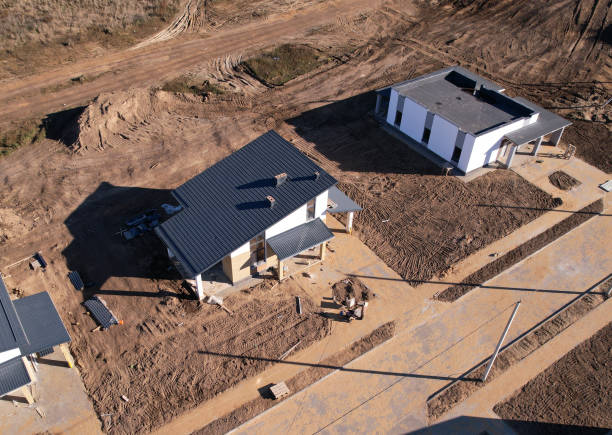
Building an extra living space on your property sounds simple enough until the decisions start piling up. You need to think about the budget, available land, permits, construction work, and how the new space will actually be used. Planning an ADU in Santa Rosa takes more than picking a floor plan and hiring a contractor. You need to understand your property and what local rules allow before spending serious money. Maybe you want a small rental unit, a private place for your parents, or somewhere your adult child can live without moving too far away. Whatever the reason, getting the early decisions right can save you plenty of stress later.
Decide What You Want From Your ADU
Before looking at designs, get clear about the purpose of the unit. It sounds obvious, but people sometimes start with the appearance of the building instead of how they'll use it every day. A rental unit may need a separate entrance, a practical kitchen, and enough privacy for both households. A space for an aging parent might need wider doorways, a step-free entrance, and a bathroom that's easy to use. If the unit will serve as a home office now and guest accommodation later, the layout needs to handle both. Write down your main requirements and the features you can live without. This gives your designer a useful starting point and helps prevent expensive changes halfway through construction.
Check Your Property and Local Building Rules
Not every backyard can accommodate the same kind of building. The size and shape of your lot, existing structures, utility connections, access points, and drainage can all affect the project. Santa Rosa also has local requirements that may influence where an accessory dwelling unit can go and how it must be designed. Check current zoning rules, setbacks, building codes, and permit requirements before committing to a particular layout. California has laws that support ADU development, but that doesn't mean every design automatically qualifies. Requirements can vary depending on the property and project details. Contact the relevant city or county planning department to confirm which rules apply to your address. Finding a problem on paper is much cheaper than discovering it after construction begins.
Set a Budget That Includes More Than Construction
One of the easiest ways to get into trouble is to budget only for the building itself. The actual cost can include architectural plans, engineering, permits, excavation, foundation work, plumbing, electrical systems, insulation, and interior finishes. Then there are utility connections, landscaping, and other site improvements that may not seem important until the work starts. Ask contractors for detailed estimates so you can see what is included and what isn't. Keep a contingency fund for unexpected expenses, too. Ground conditions may be worse than expected, or an older utility line might need attention. It happens. A realistic budget gives you room to deal with these surprises without immediately cutting corners on materials or essential work.
Choose the Right Design and Layout
A good ADU design makes the available space work harder. You don't necessarily need a large building to create a comfortable home, but you do need to think carefully about how rooms connect. Open living and kitchen areas can make a small unit feel less cramped, while built-in storage helps keep everyday clutter under control. Natural light matters as well. Properly placed windows can make a compact bedroom or living room feel more inviting without adding square footage. Think about privacy, ventilation, heating, and cooling before settling on a plan. Also consider how the unit will look beside your existing house. The new structure doesn't have to be identical, but the materials, roofline, and exterior colors should feel reasonably connected.
Find Contractors Who Understand ADU Construction
Choosing a contractor based only on the lowest quote can backfire. Accessory dwelling units involve several stages of work, and poor coordination between trades can cause delays and extra costs. Look for professionals with relevant residential construction experience, particularly projects involving detached units, garage conversions, or similar additions. Ask to see previous work and request references from past clients. More importantly, ask how they handle permits, scheduling, changes, and unexpected problems. Get the agreement in writing, including payment milestones, project responsibilities, and a clear description of the work. If something sounds vague, ask questions now. It's much easier to sort out expectations before the crew arrives than argue about them when the walls are already going up.
Plan Utilities, Access, and Everyday Practicalities
A small unit still needs all the basics of a functioning home. Water, electricity, sewer connections, internet access, and heating or cooling systems should be considered during the design stage, not added as an afterthought. Their location can affect both construction costs and the final layout. Think about pathways, outdoor lighting, trash storage, and where residents or visitors will park. These details might seem minor compared with the foundation or roof, but they shape how comfortable the property feels once the project is finished. If the unit is intended for rental income, consider how tenants will enter the property without disturbing the main household. Good planning makes the space practical for everyone who uses it.
Coordinate Your ADU With Other Home Improvements
If you're already considering home remodeling in Santa Rosa, it may be worth reviewing whether any existing property improvements should happen alongside the ADU project. For example, you might need to upgrade an electrical panel, improve drainage, or replace an aging section of plumbing. Coordinating related work can sometimes reduce duplicated labor and disruption, although combining projects isn't always cheaper. Ask your contractor to compare the costs and schedules before making that decision. Keep the main house and the new unit's needs separate in your budget, so you know where the money is going. A clear scope of work helps prevent one project from quietly expanding into three.
Conclusion: Plan First, Build With Confidence
An accessory dwelling unit can add useful living space, provide room for family, or create a potential source of rental income. But the outcome depends heavily on what happens before construction begins. Define your goals, check the property rules, build a realistic budget, and choose professionals who understand the work. Don't rush through permits or assume every detail will sort itself out later. It won't always happen that way. A little extra effort during the planning stage can prevent costly mistakes once construction is underway. Take the time to get the basics right, and you'll have a much better chance of creating an ADU that suits your property, your budget, and the people who will live in it.
Share:
More in Business
View categoryHow Predictive Market Analytics Can Strengthen Ferrous Metals Purchasing Strategies
Ferrous metals followed different paths during September 2026.
Best BSc Colleges in Pune: Courses, Placements & Scope | ASM CSIT
Discover top BSc career options after 12th, placement opportunities, and future-ready BSc courses at the best BSc colleges in Pune like ASM's CSIT.
READ ARTICLEGloves Manufacturer in Pakistan: A Complete Guide for International Buyers
Discover how to choose a reliable gloves manufacturer in Pakistan. Learn about product quality, customization, private-label manufacturing, and export services to find the right manufacturing partner for your business.
READ ARTICLE