Share:
How to Make Insoya Taste Better With Fewer Calories
UncategorizedLearn how to make Insoya taste better with simple soaking, spices, roasting, herbs, and low-calorie cooking methods for flavorful everyday meals.

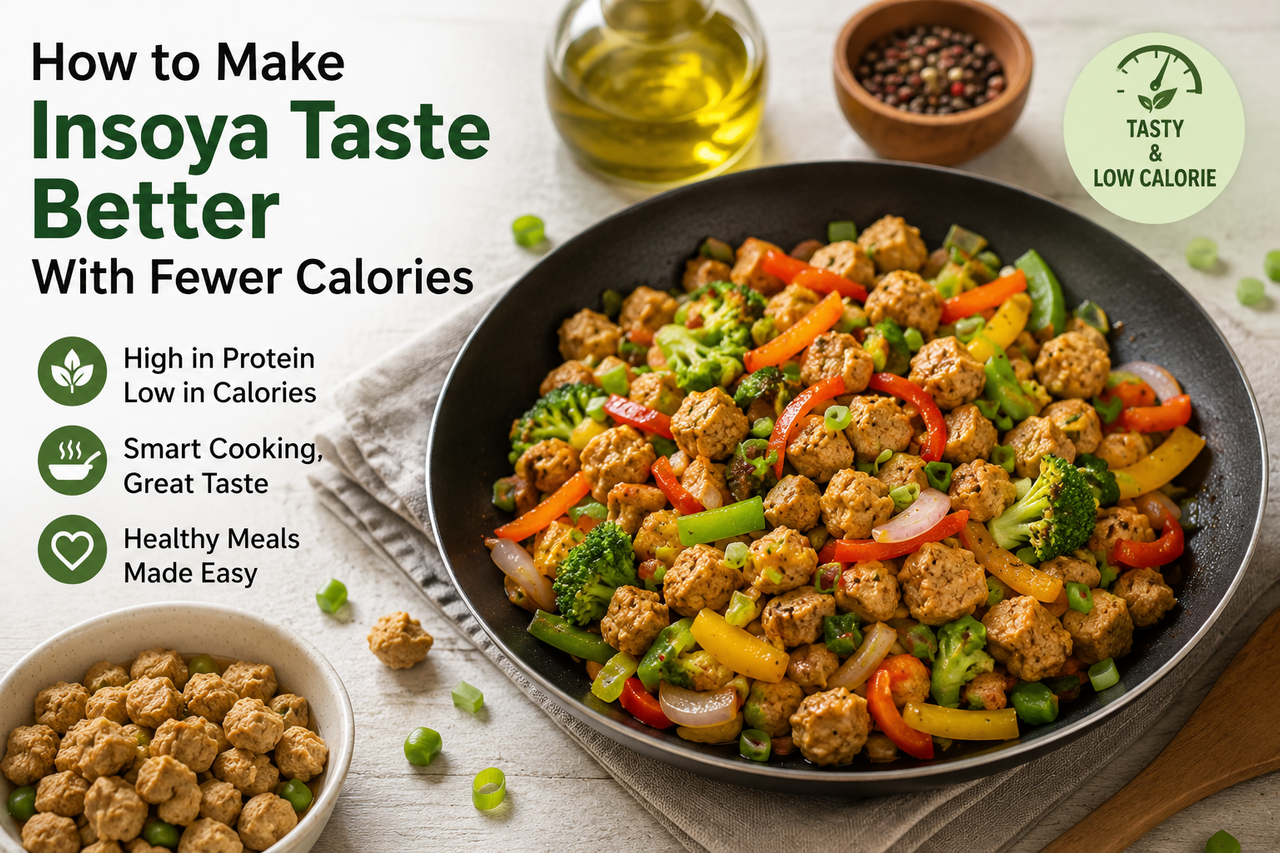
Soy-based foods have a reputation problem. People often say they taste bland or a bit odd on their own. Insoya is no different if you cook it the wrong way. But here's the good news. With a few smart tweaks, you can make it taste rich and satisfying without piling on extra calories.
This guide walks you through simple, practical ways to boost the flavor of Insoya while keeping your meal light. No fancy techniques. No expensive ingredients. Just small changes that make a big difference.
Start With a Proper Soak
Most of the taste problem starts before cooking even begins. This soy-based food needs a good soak in warm water. This softens it and removes some of the raw, beany smell that puts people off.
Skip this step, and no amount of seasoning will fully fix the taste. Soak it for at least 15 to 20 minutes. Then squeeze out the extra water before you start cooking. This one step alone changes the final taste a lot.
Use Spices Instead of Extra Oil
A common mistake is adding more oil to make food taste better. This adds calories fast without adding much flavor. Spices do a better job, and they cost you nothing in terms of calories.
Cumin, coriander powder, turmeric, and a pinch of garam masala can turn a plain dish into something flavorful. Fresh ginger and garlic paste also work well with this soy-based protein. These ingredients bring depth to the dish without needing extra fat.
Cook It in a Tomato-Onion Base
A simple tomato and onion base adds natural sweetness and tang. This masks any leftover soy smell and gives the dish a homely, comforting taste. You don't need cream or excess ghee to make it rich.
Let the onions cook until they turn light brown. Add tomatoes and cook until they soften completely. This base becomes the flavor backbone of your dish, and it keeps the calorie count low since you're using natural ingredients instead of heavy add-ons.
Add a Splash of Something Tangy
A little tang goes a long way. A squeeze of lemon juice or a spoon of curd at the end of cooking can lift the entire dish. This trick works especially well with Insoya, since it naturally soaks up flavors around it.
Tangy elements also help balance out any richness in the dish, so you don't feel the need to add more oil or butter to make it taste satisfying.
Roast It Lightly Before Adding to Curries
Before adding your soaked soy chunks to a curry, try roasting them lightly in a dry pan for a minute or two. This step brings out a slightly nutty flavor. It also firms up the texture a bit, so it holds its shape better in gravies.
This small trick often surprises people who assumed soy-based foods always taste plain. A quick dry roast changes the character of the dish completely, and it doesn't add a single extra calorie.
Balance Salt and Sweetness
Getting the salt right matters more than people realize. Too little salt makes food taste flat, no matter how many spices you use. Too much salt can overpower the dish and make you crave more food later.
A tiny pinch of sugar or jaggery in savory dishes can also round out the flavors. This isn't about making the dish sweet. It's about balancing out sharp or sour notes so the final taste feels complete. Little adjustments like this are the kind of small kitchen wisdom the Yourhomify community often talks about when it comes to everyday home cooking.
Use Fresh Herbs at the End
Fresh coriander, mint, or curry leaves added right before serving can make a huge difference. Herbs add a burst of freshness that dried spices alone can't match. This works particularly well with this soy-based protein, since its mild base takes on herby flavors easily.
Adding herbs at the very end, rather than during cooking, keeps their flavor sharp and vibrant instead of dull.
Try Grilling or Air-Frying Instead of Deep Frying
If you want a snack-style preparation, skip the deep fryer. Marinate your soy-based protein with spices and yogurt, then grill it or use an air fryer. You get a crispy, flavorful bite without the extra oil that deep frying adds.
This method works great for kebabs or quick appetizers. You still get that satisfying texture, just with far fewer calories sitting in the dish.
Pair It With the Right Vegetables
Pairing Insoya with vegetables like bell peppers, spinach, or mushrooms adds both flavor and nutrition. These vegetables bring their own natural taste to the dish, so you rely less on heavy sauces or extra fat to make things tasty.
This also stretches your meal further, so you feel full without needing a huge portion of anything calorie-heavy.
Don't Overcook It
Overcooking makes any protein, including this one, turn rubbery and dull in taste. Keep an eye on cooking time. Once it's tender and has absorbed the flavors around it, it's ready. Cooking it longer than needed won't improve the taste. It usually does the opposite.
Conclusion
Making Insoya taste better doesn't mean adding more oil, cream, or heavy ingredients. It means using the right techniques at the right stages of cooking. A good soak, the right spices, a light roast, and a few fresh herbs can turn a plain dish into something genuinely tasty.
Keep your calorie count low by leaning on natural flavor boosters instead of extra fat. Once you get the basics right, cooking with Insoya becomes an easy habit rather than a chore, and your meals stay both light and satisfying.
Frequently Asked Questions
1. Why does Insoya sometimes taste bland?
It usually happens when it isn't soaked properly or when it's cooked without enough spices. A good soak and a flavorful base fix most of this.
2. Can I make Insoya taste good without adding extra oil?
Yes. Spices, a tomato-onion base, fresh herbs, and a splash of lemon juice can add plenty of flavor without extra oil or calories.
3. Does roasting this ingredient before cooking really change the taste?
Yes. A light dry roast brings out a nutty flavor and firms up the texture, making the final dish taste richer.
4. What vegetables go well with Insoya?
Bell peppers, spinach, and mushrooms all pair well. They add flavor and nutrition while keeping the dish light.
5. Is grilling or air-frying a good option for Insoya?
Yes. Both methods give you a crispy, flavorful texture without the extra oil that comes with deep frying.
Share:
More in Uncategorized
View categoryMixed Emotion and Chrome Hearts Are the Two Streetwear Brands You Actually Need in 2026
Discover how mixed emotion streetwear and chrome hearts are shaping bold, lasting style in 2026. Real fabrics, real details, zero filler.
READ ARTICLENRG Electric Rates in PA: Compare Plans Before You Switch
Learn how to evaluate NRG electric rates in PA, compare fixed plans, fees, contract terms and utility prices before choosing an electricity supplier.
READ ARTICLESEO Agency in Bangalore: 10 SEO Trends Businesses Cannot Ignore in 2026
An experienced SEO Agency in Bangalore can combine traditional SEO with modern approaches such as entity optimization, semantic content, structured data, topical authority, and AI-search optimization.
READ ARTICLE