
Share:

How to Develop a Tokenized Commodity Platform for Fractional Ownership and Digital Settlement
Develop a tokenized commodity platform for fractional ownership and digital settlement with smart contracts, KYC, custody, compliance, and secure blockchain infrastructure.
Commodity markets are built around physical assets such as gold, silver, crude oil, agricultural products, and other raw materials. Yet accessing these assets can involve high capital requirements, complex custody arrangements, intermediaries, and slow settlement processes.
Tokenization introduces a different model: a physical commodity can be represented by blockchain-based tokens, allowing eligible investors to own smaller portions of an asset and transfer those interests digitally. In 2026, the focus is shifting beyond simply creating commodity-backed tokens toward building the infrastructure that connects physical custody, ownership records, compliance, trading, and settlement. Research from Coinbase highlights programmable delivery-versus-payment (DvP), professional custody, verification, and collateral use as important drivers of commodity tokenization.
For businesses exploring Asset Tokenization Development Services, this makes the platform architecture more important than the token itself.
What Is a Tokenized Commodity Platform?
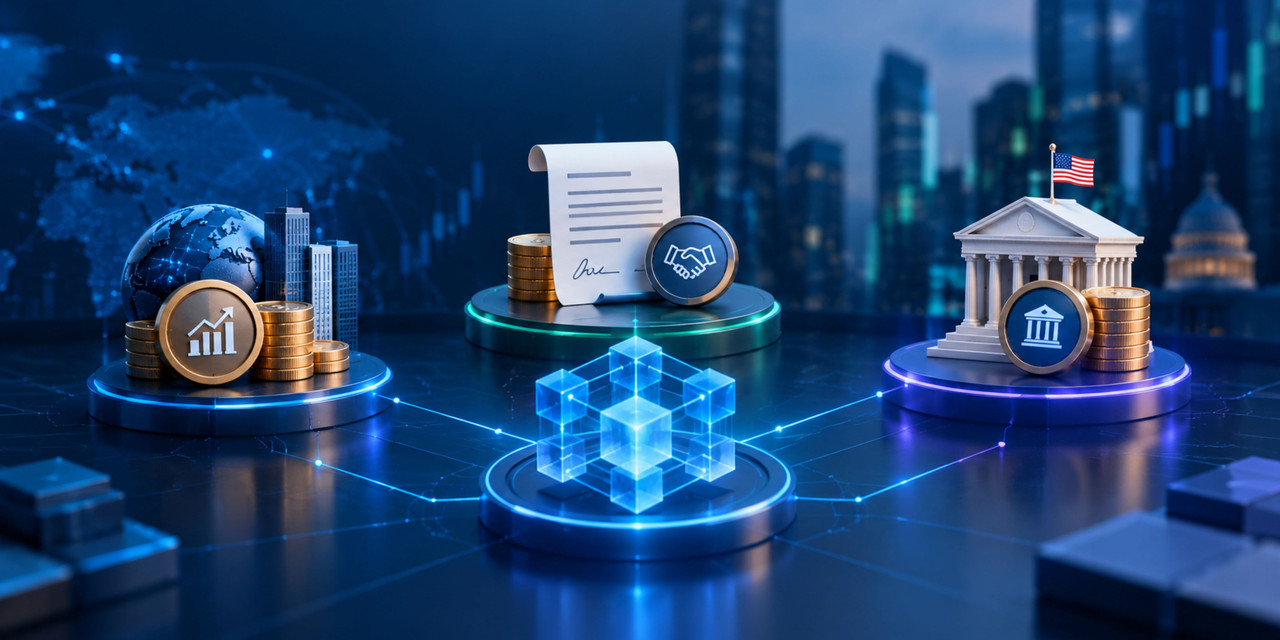
A tokenized commodity platform is a digital infrastructure that represents ownership or contractual rights associated with a physical commodity through blockchain tokens.
Consider a gold-backed platform. Instead of requiring an investor to purchase and store an entire gold bar, the platform could divide the economic interest in a verified quantity of gold into smaller digital units. Each token would correspond to defined rights under the platform's legal structure.
The blockchain records token ownership and transfers, while the physical gold remains with an approved custodian or vault.
This is generally a ledger-wrapped model: the physical asset remains off-chain while its ownership or beneficial interest is represented on-chain. Enterprise tokenization infrastructure commonly uses this approach for physical assets such as commodities and real estate.
Step 1: Select the Commodity and Define Ownership Rights
The first development decision is not blockchain selection. It is determining what the token represents.
A platform could tokenize:
- Gold or silver held in regulated vaults
- Agricultural commodities held in warehouses
- Commodity inventories
- Refined metals
- Energy-related assets
- Other physically verifiable commodities
Each commodity requires a different operating model. Gold may be relatively straightforward to standardize, while agricultural commodities can change in quality, quantity, storage conditions, and location. Therefore, the token model must reflect the characteristics of the underlying asset.
Before development, define:
- The physical asset represented
- Legal ownership or beneficial rights
- Token-to-asset ratio
- Redemption conditions
- Transfer restrictions
- Valuation methodology
- Custody responsibility
This legal and operational foundation determines how the smart contracts and platform will work.
Step 2: Connect Physical Custody With the Blockchain
The biggest challenge in commodity tokenization is the physical-to-digital connection.
A blockchain can prove that a token was transferred. It cannot independently prove that one kilogram of gold actually exists inside a vault.
The platform therefore needs trusted external infrastructure, including:
- Custodians
- Warehouses or vault operators
- Independent auditors
- Insurance providers
- Asset verification systems
- Reserve reporting mechanisms
The platform should maintain a verifiable relationship between the quantity held in custody and the number of tokens in circulation.
For example:
Share:
More in Technology
View categoryCloud Implementation Company: 7 Cloud Implementation Services That Help Financial Institutions Reduce Migration Risks
Explore how a Cloud Implementation Company helps financial institutions reduce migration risks with secure, compliant, and reliable cloud implementation services
Ecommerce Rollback Planning for Orders Already Placed
Build an ecommerce rollback plan that accounts for accepted orders, captured payments, fulfillment actions, data compatibility, and forward recovery.
READ ARTICLEData Labeling Companies for Retail Computer Vision
Compare data labeling companies for retail images, shelf detection, product catalogs and production annotation quality workflows.
READ ARTICLEAI Medical Writing Tools for CROs: Streamlining e-Document Automation
Improve clinical documentation workflows with AI medical writing tools that support e-document automation for CROs, quality checks, and regulatory consistency.
READ ARTICLE