
Share:
How to Choose the Right Nurse Tunic for Comfort and Everyday Healthcare Work
Discover what to consider when choosing nurse tunics, including fit, fabric, comfort, pockets, durability and care requirements for everyday healthcare work.
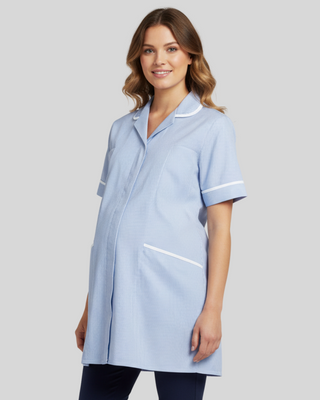

Introduction
Choosing the right healthcare uniform can make everyday working hours more comfortable and practical. Healthcare professionals may spend much of their day standing, walking, assisting others and moving between different areas, so clothing needs to support these activities without becoming restrictive.
The right nurse tunics should balance comfort, fit, functionality and professional appearance. Fabric, pocket design, sleeve style, ease of movement and care requirements can all influence whether a tunic works well during regular healthcare duties.
What Makes a Practical Nurse Tunic?
A good tunic should be suitable for the demands of the role rather than chosen purely for its appearance. Different healthcare environments may have different expectations, but several practical features are useful across many roles.
When choosing a tunic, consider:
- Comfortable fit
- Freedom of movement
- Suitable fabric
- Practical pockets
- Appropriate sleeve length
- Easy-care construction
- Durable materials
- A professional appearance
Thinking about these factors before purchasing can help avoid workwear that looks suitable but becomes uncomfortable during a busy shift.
Start With the Right Fit
Fit is one of the most important considerations when choosing workwear. A tunic that is too tight can restrict movement, while an excessively loose garment may become inconvenient during practical tasks.
The right fit should allow comfortable movement around the shoulders, arms and torso. It should also remain practical when sitting, bending or reaching.
When purchasing for a team, consistent sizing can help create a more professional appearance while making ordering and replacement easier to manage.
Consider Fabric and Comfort
Fabric can affect how comfortable a tunic feels during extended wear. Healthcare staff may wear their uniforms for several hours at a time, so the material should suit the working environment and personal comfort requirements.
When comparing medical tunics, consider the balance between comfort, durability and ease of care. Since healthcare uniforms can require regular washing, it is also important to check whether the garment's care instructions fit your normal laundry routine.
A suitable fabric should be practical for everyday wear while remaining manageable to maintain over time.
Think About Freedom of Movement
Healthcare work can involve frequent movement. Staff may need to walk between departments, bend during routine tasks, reach for equipment or sit with patients.
A practical tunic should allow these movements without unnecessary restriction. Consider the cut around the shoulders, sleeves and torso, as these areas can affect mobility.
It is useful to think about your actual working routine rather than judging a garment only while standing still.
Look at Pocket Design
Pockets can make a tunic more useful during everyday work, particularly when staff need convenient access to appropriate small essentials.
Consider:
- Number of pockets
- Pocket depth
- Placement
- Ease of access
- Security when moving
More pockets do not automatically mean a better tunic. The important factor is whether the pocket design is useful for the specific role.
Choose an Appropriate Sleeve Style
Sleeve length and design can affect both comfort and practicality. Shorter sleeves may suit some clinical environments, while other workplaces may have different uniform preferences.
Consider how the sleeves work when performing everyday tasks. They should allow comfortable arm movement without creating unnecessary bulk.
Workplace requirements should always take priority where a specific uniform policy is in place.
Consider Neckline and Fastening
The neckline and fastening style can affect how easy a tunic is to wear and maintain. Different designs may provide different levels of coverage, comfort and convenience.
A practical fastening should be easy to manage and remain secure during normal movement. The neckline should also feel comfortable throughout the working day.
These details may seem minor when purchasing, but they can become more noticeable when a uniform is worn regularly.
Nurse Tunics for Different Healthcare Roles
Not every healthcare role has identical workwear requirements. A tunic suitable for one setting may not necessarily be the best choice for another.
Nurses and Clinical Staff
Nurses often spend much of their shift moving between patients and carrying out practical duties. Comfort, movement and useful pockets can therefore be important considerations.
Care Staff
Care staff may need workwear that supports regular movement and practical tasks. Easy-care materials and a comfortable fit can help make everyday uniform management simpler.
Reception and Patient-Facing Teams
Staff working in reception or patient-facing environments may place greater emphasis on a neat, professional appearance while still requiring comfortable clothing for extended working hours.
Private Clinics and Healthcare Settings
Private clinics may have their own expectations around style and presentation. Tunics should therefore be selected according to the workplace dress requirements as well as comfort and functionality.
Think About Durability and Frequent Washing
Healthcare workwear can be worn and washed regularly, making durability an important purchasing consideration.
Before choosing a tunic, check:
- How frequently it is likely to be worn
- The washing instructions
- Whether the fabric is suitable for regular laundering
- The construction of seams and fastening areas
- Whether replacement will be straightforward
A practical uniform should be manageable not only when new but throughout its working life.
Check Workplace Uniform Requirements
Before purchasing, check whether your employer has specific uniform requirements. These may include approved colours, garment styles or other presentation standards.
This is particularly important for teams ordering uniforms in larger quantities. A consistent approach can help maintain a professional appearance and avoid unnecessary replacements.
Workplace requirements should always be considered alongside personal preferences for fit and comfort.
Common Mistakes When Choosing Nurse Tunics
A few purchasing mistakes can make a tunic less practical than expected.
Choosing Appearance Over Function
A visually appealing design may not provide the comfort or functionality required for everyday work.
Ignoring the Fit
Even a good-quality garment can be unsuitable if it does not provide enough room for natural movement.
Overlooking Pocket Placement
Pockets should be genuinely useful rather than simply adding extra features to the design.
Failing to Check Care Instructions
A uniform that does not fit your normal laundry routine can become inconvenient when worn regularly.
Not Considering the Working Environment
Uniform expectations can differ between hospitals, clinics, care settings and patient-facing areas. Always consider the actual role before purchasing.
A Simple Nurse Tunic Buying Checklist
Before choosing a tunic, consider:
Fit: Does it provide enough room for comfortable movement?
Fabric: Is the material suitable for extended wear and regular washing?
Pockets: Are they positioned conveniently and deep enough for appropriate work essentials?
Sleeves: Do they allow comfortable arm movement and meet workplace expectations?
Fastening: Is the design practical and secure?
Durability: Is the construction suitable for regular use?
Care: Can the tunic be washed and maintained without unnecessary difficulty?
Workplace: Does it meet your employer's uniform requirements?
When Should a Nurse Tunic Be Replaced?
There is no single replacement period that applies to every healthcare workplace. Instead, inspect uniforms regularly and consider replacement when garments become excessively worn, damaged, uncomfortable or difficult to maintain.
Pay attention to fabric deterioration, damaged seams, worn fastening areas and persistent staining. A noticeable change in fit or comfort can also indicate that a replacement is appropriate.
Regular checks can help ensure that workwear remains suitable for everyday duties.
Conclusion
Choosing the right healthcare tunic involves considering how the garment will perform throughout a normal working day. Fit, fabric, mobility, pocket design, sleeves, durability and care requirements all play a role in creating practical workwear.
It is also useful to understand the best fabrics for healthcare uniforms when comparing materials and deciding which options are appropriate for regular use.
Taking a practical approach to uniform selection can help healthcare professionals choose garments that support everyday responsibilities while maintaining a consistent and professional appearance.
FAQs
1. What should you look for when choosing nurse tunics?
Look for a comfortable fit, suitable fabric, practical pockets, freedom of movement, durable construction and manageable care requirements.
2. How should a healthcare tunic fit?
A tunic should provide enough room for natural movement without being excessively loose. It should remain comfortable when walking, bending, sitting and reaching.
3. Are medical tunics suitable for different healthcare roles?
Yes, but the best design can vary depending on the role, workplace environment and uniform requirements.
4. Why are pockets important in healthcare tunics?
Practical pockets can provide convenient storage for appropriate everyday work essentials, depending on the requirements of the role.
5. How often should healthcare tunics be washed?
Washing should follow the garment's care instructions and the requirements of the workplace. Healthcare uniforms may require regular laundering because of frequent use.
6. When should a nurse tunic be replaced?
Consider replacing it when it becomes significantly worn, damaged, uncomfortable or difficult to keep suitable for everyday work.
Share:
More in Business
View category
Perfumes in KSA: Discovering the Art of Fragrance, Tradition, and Modern Elegance
Buy Best Perfumes Online Ahmed Al Maghribi Perfumes.
READ ARTICLE
Electrical Insulation Mats | Reliable PVC Insulation Mats for Electrical Safety
Discover durable Electrical Insulation Mats from Premier Polyfilm Ltd. Designed for electrical work areas, panels, switchboards and industrial applications, these PVC mats provide an additional insulating barrier for workplace safety.
READ ARTICLE
A Practical Guide to Buying Property in Dubai
Learn how to buy property in Dubai with this practical guide covering locations, budgets, legal steps, property selection, and investment tips.
READ ARTICLE
Jump Start Service Edmonton: Fast Roadside Help
Need Jump Start Service Edmonton? Learn about emergency battery help, pricing, roadside support, and reliable jump start options.
READ ARTICLE