Share:

How to Choose the Right Neurosurgeon for Brain and Spine Surgery
Searching for the best neurosurgeon in Delhi NCR? Here's what actually matters — credentials, experience, communication — before you decide.
Nobody plans for this conversation. One day you're dealing with persistent back pain or unexplained headaches, and a few appointments later, a doctor is using the word "surgery" and handing you a referral. That's usually when the real work starts — not the surgery itself, but figuring out who should be holding the scalpel. If you're trying to find the best neurosurgeon in Delhi NCR, the sheer number of hospitals, credentials, and conflicting reviews can feel overwhelming fast.
This decision deserves more than a Google search and a gut feeling, though a bit of both is inevitable. The right decision depends on careful consideration of the important factors involved.
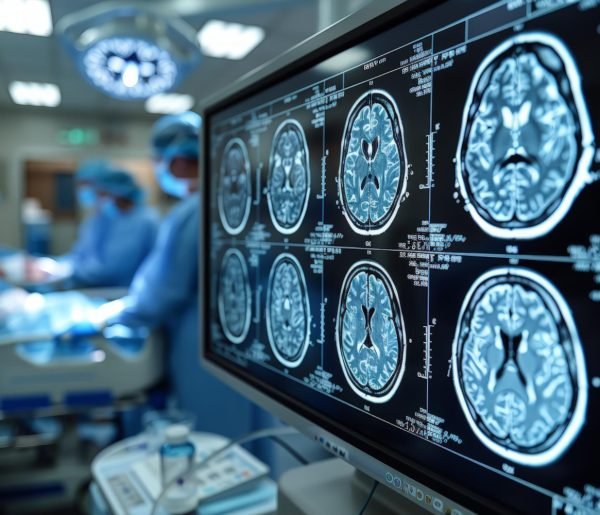
Why This Decision Carries More Weight Than Most Medical Choices
Brain and spine surgery isn't like getting a knee scoped or a gallbladder removed. The margin for error is thinner, the anatomy involved is unforgiving, and recovery outcomes vary enormously based on who's performing the procedure. Two surgeons with the same degree hanging on their wall can have wildly different track records, simply because neurosurgery rewards repetition — the surgeon who's done a specific procedure five hundred times operates differently than one who's done it fifteen.
Start With Credentials, But Don't Stop There
Check the Qualifications Properly
Look for an MCh in Neurosurgery, following an MS or MBBS, from a recognized institution. This is the baseline, not the finish line. In India, verifying registration with the Medical Council or checking with the National Medical Commission's database takes a few minutes and confirms the license is active and legitimate.
Fellowship Training Often Reveals Specialization
Many neurosurgeons pursue additional fellowship training in specific areas — spine surgery, skull base tumors, pediatric neurosurgery, or minimally invasive techniques. If your condition falls into a niche category, a surgeon with targeted fellowship experience in that exact area is usually a stronger fit than a generalist, even a well-credentialed one.
Experience Matters More Than Almost Anything Else
Find Out How Often the Surgeon Performs Your Procedure
This is the question people forget to ask, and it's arguably the most important one. A surgeon might have twenty years of overall experience but limited exposure to your particular condition. Ask directly: "How many of these procedures have you performed?" A confident, specific answer is a good sign. Vague deflection is not.
Look Into Complication Rates and Outcomes
Some hospitals and surgeons publish outcome data, though this is still uneven across India. Where available, ask about infection rates, revision surgery rates, and recovery timelines for patients with similar conditions to yours. If a hospital's neurosurgery department has a dedicated ICU and neuro-monitoring setup, that's typically a marker of a program built for complex cases, not just routine ones.
The Hospital Behind the Surgeon Matters Too
A skilled neurosurgeon operating without proper institutional support is a risk multiplier. Delhi NCR has several hospitals with dedicated neuro-critical care units, advanced imaging like intraoperative MRI, and neuro-navigation systems that allow far more precision during complex procedures. When researching the best neurosurgeon in Delhi NCR, it's worth checking which hospital they're primarily affiliated with and what technology that facility actually has on-site — not just what's listed on a brochure.
Communication Style Is Not a Soft Factor
Does the Surgeon Actually Explain Things
A rushed five-minute consultation where medical jargon gets thrown around without context is a red flag, regardless of how many awards hang on the wall. Good neurosurgeons take time to explain the diagnosis, walk through alternatives to surgery when they exist, and lay out realistic risks without either minimizing them or using fear to push a decision.
Second Opinions Aren't an Insult
Any surgeon worth trusting will not flinch if you say you want a second opinion before a major procedure. In fact, most encourage it. Hesitation or defensiveness at that request is worth noting.
Questions Worth Asking Before You Commit
- What are the alternatives to surgery, if any exist for this condition?
- What's the expected recovery timeline, realistically, not the best-case scenario?
- Who handles emergencies or complications after hours?
- What does the follow-up care plan look like for the first three months?
Share:
More in Health
View categoryAccurate Medical Coding for Mental Health Billing
Learn how accurate coding, complete documentation, and specialized mental health billing can help reduce claim denials and improve reimbursement.
Global Prostate Cancer Diagnostics Market Size, Share, Growth, Trends, Industry Analysis & Forecast 2026–2034
The global prostate cancer diagnostics market is projected to reach US$14.83 billion by 2034, growing at a 6.92% CAGR, driven by early detection, advanced imaging, and AI-powered diagnostics.
READ ARTICLERhinoplasty Surgery: Understanding Nose Reshaping and Its Cost in Delhi
The nose plays an important role in overall facial appearance and balance. Some individuals may feel that the shape or size of their nose does not complement their facial features, while others may experience structural concerns that affect nasal breathing. Modern cosmetic surgery offers options for addressing these concerns through personalised treatment planning. Before choosing a procedure, it is important to understand the surgical process, potential benefits, recovery expectations, and associated expenses.
READ ARTICLE