
Share:

How to Choose Stainless Steel Water Pitchers for Restaurants?
Restaurant water pitchers stainless steel options for hotels, restaurants and caterers. Choose durable designs, practical sizes and finishes for bulk service.
Water service is a small part of restaurant operations, but the right water pitcher can make table service easier and more organized. Restaurants use pitchers throughout the day, so the product needs to be practical for staff, comfortable to handle, and suitable for the dining table.
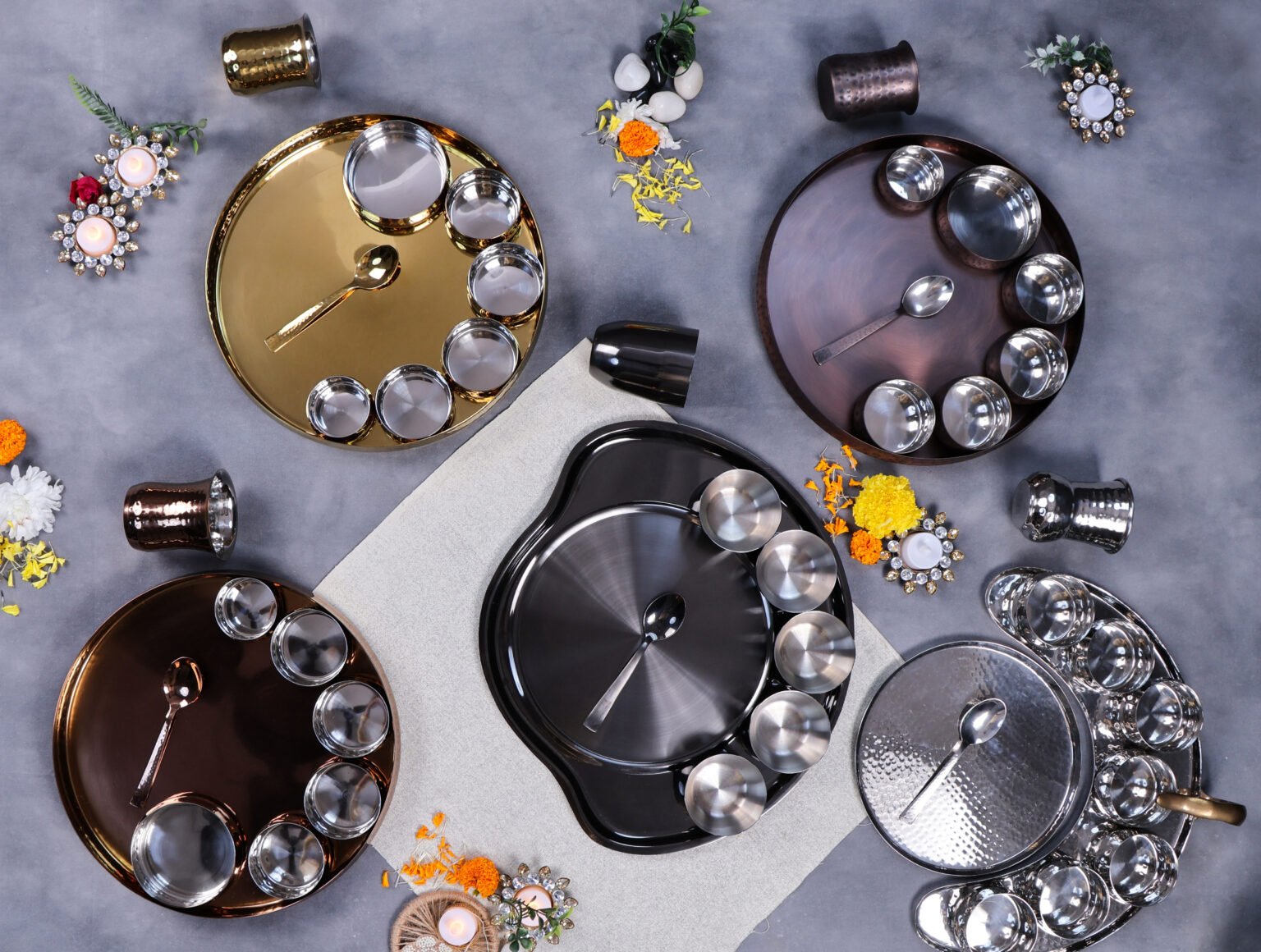
For restaurants planning a new tableware purchase or replacing existing stock, choosing the right restaurant water pitchers stainless steel requires attention to more than appearance. Capacity, handle design, spout, construction, finish, storage, quantity, and product consistency all matter when ordering for commercial use.
This guide explains what restaurant buyers should check before choosing stainless steel water pitchers for regular service.
Why Are Water Pitchers Important in Restaurant Service?
Water pitchers are used to serve drinking water at tables, buffet areas, breakfast services, banquets, and other dining spaces. A pitcher allows staff to serve several guests without carrying individual glasses to a water station each time.
For busy restaurants, the right pitcher can also support a smoother service routine. Staff should be able to pick up the pitcher, carry it to the table, and pour water without difficulty.
The design should also suit the restaurant's table setting. A pitcher that looks neat and matches the surrounding dinnerware can contribute to a more coordinated dining experience.
How to Choose the Right Pitcher Capacity?
Capacity is one of the first things restaurant buyers should consider. The correct size depends on the number of guests being served and how often staff can refill the pitcher.
A smaller pitcher may work well when water is served to individual tables and staff can refill it regularly. Larger pitchers may be more suitable for shared tables, family dining, breakfast areas, banquets, and catering services.
Before placing a bulk order, consider:
- Number of guests per table
- Number of tables in the restaurant
- Frequency of water service
- Distance between tables and refill stations
- Available table space
- Storage capacity
The goal is to select a size that provides enough water without making the pitcher difficult to carry or taking up too much table space.
Why Does Handle Design Matter?
A water pitcher becomes heavier when it is filled, so the handle needs to provide a comfortable and secure grip. Restaurant staff may lift and pour the pitcher many times during a working shift.
A suitable handle should allow staff to hold the pitcher naturally while maintaining control during pouring. The connection between the handle and pitcher body should also be checked, particularly when the product will be used frequently.
The overall balance of the pitcher is important as well. A well-balanced design can make pouring easier and reduce unnecessary effort for service staff.
What Should You Check in the Spout?
The spout controls how water leaves the pitcher. A well-designed spout should allow a steady and controlled flow so staff can pour water into glasses without unnecessary splashing.
A poorly designed spout can make table service less convenient, especially when staff are serving several guests quickly.
When comparing different models, buyers should look at the shape and length of the spout and consider how easily staff can control the flow.
Is Stainless Steel Suitable for Restaurant Water Pitchers?
Stainless steel is commonly selected for commercial tableware because it is durable and suitable for regular handling and cleaning. Water pitchers used in restaurants may be washed frequently, moved between storage and service areas, and handled throughout the day.
Share:
More in Business
View categoryAcoustic Steel Doors: The Complete Commercial Guide to Sound-Rated, Fire-Safe, and Durable Entrances
This is why acoustic planning often starts with doors. Fixing them early costs far less than retrofitting after complaints begin, and it protects the investment made in walls, partitions, and ceilings.
READ ARTICLEEnd Grain Flooring Market Expansion: Premium Interiors Strengthen Flooring Demand 2026–2036
The End Grain Flooring Market is projected to grow at a 5.2% CAGR from 2026 to 2036, reaching USD 1,063.5 million by 2036. Rising renovation activity, demand for durable wood surfaces and premium interior projects are supporting market expansion.
READ ARTICLEThe Role of AI Business Consulting in Shaping Tomorrow's Enterprises
Discover how AI business consulting helps enterprises drive innovation, accelerate digital transformation, improve decision-making, and achieve sustainable business growth.
READ ARTICLEAutomated Ball Feeders Market Growth Driven by Rising Sports Automation 2026-2036
The global automated ball feeders market is projected to grow from USD 517.16 million in 2025 to USD 560.60 million in 2026, reaching USD 1,255.90 million by 2036
READ ARTICLE