Share:

How to Choose Lab Grown Diamond Jewellery for Every Occasion
Lab-grown diamonds give jewellery shoppers another way to approach that question, particularly for those who want the characteristics of a diamond while considering an alternative to mined stones. From there, the decision becomes much more personal: choosing the shape, setting, metal and design that fit the wearer.
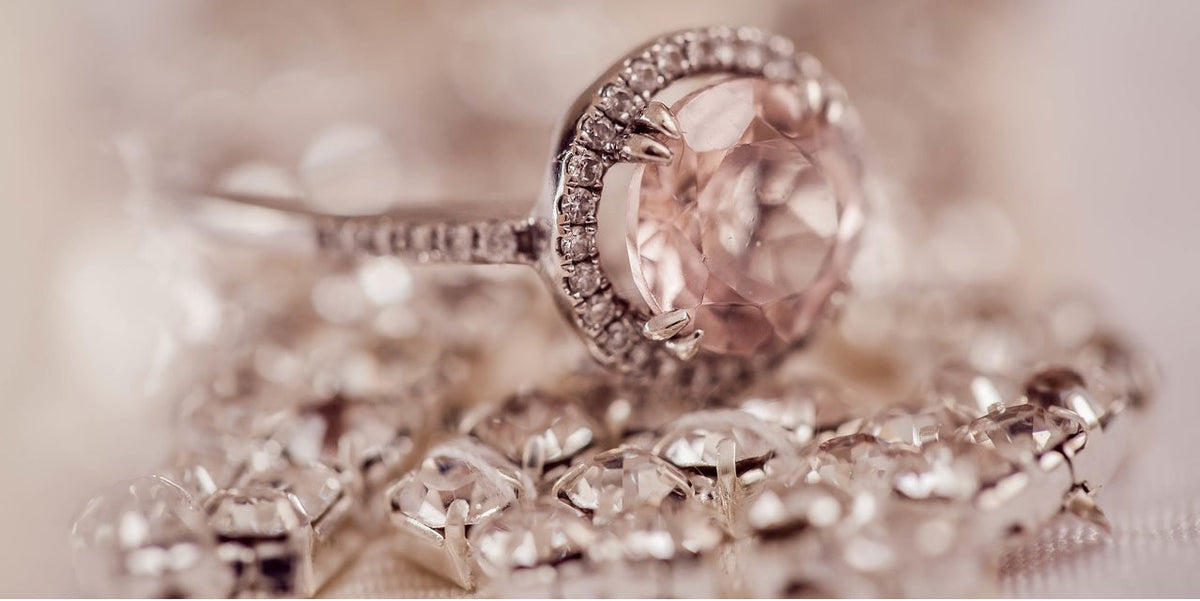
Jewellery often carries more meaning than its size suggests. A ring can mark an engagement, a pair of earrings can become a wedding gift, and a simple pendant may be chosen to commemorate a personal milestone. That makes choosing a piece less about following a trend and more about finding something that suits the person, the occasion and the way it will actually be worn.
Lab-grown diamonds have added another option for jewellery shoppers. They are diamonds rather than diamond imitations, but they are created in controlled laboratory environments instead of being extracted through mining. For buyers who are considering this route, the choice now extends beyond the diamond itself to include the design, setting, metal, shape and intended use.
So, how should you approach the decision?
Start With the Occasion
The occasion is a useful starting point because different types of jewellery serve different purposes.
For an engagement, a ring naturally takes centre stage. A solitaire can keep the design understated, while a halo or three-stone setting can create a more elaborate appearance. The right choice depends largely on personal taste rather than a fixed rule about what an engagement ring should look like.
Wedding jewellery often has a different role. It may need to work alongside other pieces worn during the ceremony or remain versatile enough for later occasions. Earrings, pendants and bracelets can therefore be considered alongside the ring rather than treated as separate purchases.
For birthdays, anniversaries and other personal milestones, the decision can be more relaxed. A pendant or pair of earrings may feel more appropriate than a formal ring, particularly if the recipient already has a well-established jewellery collection.
Everyday jewellery calls for yet another approach. Pieces that are comfortable, relatively easy to wear and adaptable to different outfits tend to get more use than designs reserved for special events.
Think About How Often the Jewellery Will Be Worn
A beautiful design is only useful if it fits into the owner's life.
Consider someone's typical routine before choosing an elaborate setting. If a ring will be worn every day, a design that sits comfortably on the finger may make more sense than a setting with intricate details that could catch on clothing.
The same principle applies to earrings. Small studs can work across a wide range of settings, while larger drops or more sculptural designs may be better suited to evenings and formal occasions.
Pendants offer a middle ground. A relatively simple design can be worn frequently, while a more detailed piece can be kept for occasions when the jewellery is meant to stand out.
This is one reason it helps to separate the question of "What looks good?" from "What will actually be worn?" The answers are not always the same.
Choose the Diamond Shape Before Getting Lost in the Details
Diamond shape has a noticeable effect on the character of a piece.
Round diamonds have a familiar, classic appearance and work with a wide variety of jewellery styles. Oval diamonds can give a ring a more elongated look, while pear and marquise shapes introduce a more distinctive outline.
Emerald and princess cuts create very different visual effects again. One emphasises a clean, structured appearance, while the other has a more geometric character.
There is no universally correct shape. A useful approach is to consider the jewellery already owned by the wearer. If most existing pieces are understated and traditional, a classic shape may complement them naturally. If the collection includes more unusual silhouettes, a less conventional diamond shape may fit better.
Looking at the shape first can also make the rest of the selection process easier. Once the preferred outline has been established, choices about the setting and metal become more manageable.
Pay Attention to the Setting
Share:
More in Uncategorized
View category6 Things to Check Before Hiring a Furnace Installation Service in Halifax
Discover 6 things to check before hiring a furnace installation service in Halifax, from contractor qualifications and quotes to warranties and system testing.
READ ARTICLEMenaquinone-7 CAS 2124-57-4: Understanding FermaQuin K2 MK-7 for Nutraceutical Manufacturing
Menaquinone-7 CAS 2124-57-4 is an important identifier for Vitamin K2 MK-7, an ingredient used in nutritional formulations associated with vitamin K-dependent biological processes.
READ ARTICLE