
Share:

How to Choose FSI Bag Filters for High-Flow Industrial Processes
Most people start shopping by looking at a catalog. Wrong end of the problem. Start with your flow rate, and I mean the real one, not what the pump nameplate says.
Start With the Flow, Not the Filter
Most people start shopping by looking at a catalog. Wrong end of the problem. Start with your flow rate, and I mean the real one, not what the pump nameplate says.
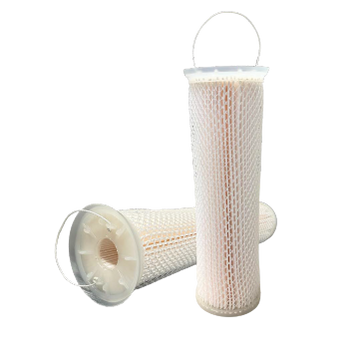
When you’re moving a lot of fluid, fsi bag filters make sense because they handle big volumes without the hassle of cartridge swaps every other day. But “high flow” is a loose term. Fifty gallons a minute and five hundred are very different jobs. Write down your peak flow, your normal flow, and how often it spikes. Peaks are what overload a bag, not the average. If you only size for average, you’ll be back here in a month wondering why the housing is bypassing.
Know What You’re Actually Trying to Catch
Sounds obvious, but a lot of folks can’t tell me what’s in their fluid. They just know it’s dirty.
Get a sample. Look at it, maybe send it to a lab if the stakes are high. Is it metal fines, scale, resin, oil, gelatinous gunk, or all of it mixed together? Each one behaves differently in a bag. Hard particles load a bag evenly, while soft, sticky stuff smears across the surface and blinds it fast. If you can’t describe the contaminant, you can’t pick the media. It’s that simple, and skipping this step is probably the most expensive shortcut in the whole process.
Micron Rating and Why Absolute Beats Nominal
Here’s where people get burned. A micron rating on a bag isn’t always a promise.
Nominal ratings mean a bag catches a certain percentage of particles at that size, often somewhere around 60 to 90 percent depending on the maker. Absolute ratings are tighter, usually 99 percent or better. If you need to protect a pump, a membrane or a sensitive downstream process, nominal might let enough through to cause real trouble. But absolute costs more and loads quicker. So you’ve got a tradeoff, and you have to decide which risk hurts more. Ask the supplier how the rating was tested. Some will give you a straight answer. Some will dodge, and that tells you something too.
Media and Material Choices Matter More Than You Think
Polyester, polypropylene, nylon, felt, mesh. They aren’t interchangeable, even though they look similar sitting on a shelf.
Polypropylene handles a lot of chemicals and is cheap, but it doesn’t love high heat. Polyester copes better with temperature and holds up in many oily fluids. Nylon mesh is good for coarse straining and can sometimes be cleaned and reused. Felt gives you depth and captures finer particles, though it can shed fibers if the quality is poor, and that’s a problem you really don’t want. Match the material to your fluid chemistry, your operating temperature and your pH. Don’t guess. Look at a compatibility chart, and if you’re running something odd, test a sample bag before committing to a pallet.
Housing Size and Surface Area for High-Flow Work
You can have the perfect bag in a housing that’s too small, and it’ll still fail you.
Surface area decides how long a bag lives at a given flow. More area means lower velocity through the media, lower pressure drop, and a longer run before it fills up. Bag sizes come in standard numbers, like size 1, 2, 3 and 4, and the bigger ones give you way more room to work with. For serious volume, you might need multi-bag housings so the load gets split. It costs more at the start. But it usually costs less overall because you’re changing bags less often and the filter isn’t struggling constantly. Also check the housing’s pressure rating, the seal design, and whether the bag sits snug so fluid can’t sneak around it. A bypassing bag is basically no filter at all.
Fitting Bag Filtration Into a Coolant Recycling System
Machining shops come at this all the time, and it’s worth a section on its own. A coolant recycling system deals with metal swarf, tramp oil, bacterial growth, and fluid that’s already been through a rough life.
Bag filters work well here as a first or second stage. They pull out the bulk solids so downstream stuff, like fine filters, membranes or centrifuges, doesn’t get slammed. But watch out for oil. Tramp oil coats the media and cuts flow quick, so a skimmer or coalescer upstream helps a lot. And don’t forget the coolant itself, since additives and biocides can attack certain bag materials. Put the bag stage where it protects the equipment that costs the most to replace. That’s the general idea, anyway.
Maintenance, Changeouts and Reading Pressure Drop
A bag housing isn’t a set it and forget it thing. Folks treat it that way and then act surprised.
Put gauges before and after the housing. The difference between them tells you what’s going on inside. When pressure drop climbs to the limit your supplier recommends, change the bag. Don’t wait until the thing bursts or flow slows to a crawl. Pushing a loaded bag too far can force contaminants through or even tear the media. Keep spare bags on the shelf, label the housing with the changeout date, and train whoever does the swaps so they seat the bag properly. Sounds minor. It isn’t, because a badly seated bag is the number one cause of bypass I see.
Share:
More in Business
View categorySportswear Fabric Selection: A Complete Guide for Buyers and Brands
Learn how sportswear fabric selection affects comfort, durability, fit and performance when developing custom athletic clothing and team uniforms.
KYC Guidance & Account Setup Support Alwaysknock
Get practical KYC verification guidance and account setup support from Alwaysknock, including document requirements, selfie tips, and troubleshooting.
READ ARTICLE20 Leading Sites To Buy LinkedIn Accounts (Aged,Verified & PVA)
➤WhatsApp:+1(231)392-4219 ➤Telegram:@onusaseoit
READ ARTICLE