Share:

How Implicit Bias Influences Real Estate Decision-Making
Learn how implicit bias in real estate can influence decision-making and discover practical ways to provide equal service to all clients and customers.
Real estate professionals work with people from many different backgrounds, experiences, and cultures. Every day, agents and brokers make decisions that affect buyers, sellers, landlords, and tenants. While most professionals strive to provide equal service, there are times when unconscious thoughts and assumptions can influence interactions without being recognized. This is where Implicit Bias in Real Estate becomes an important topic.
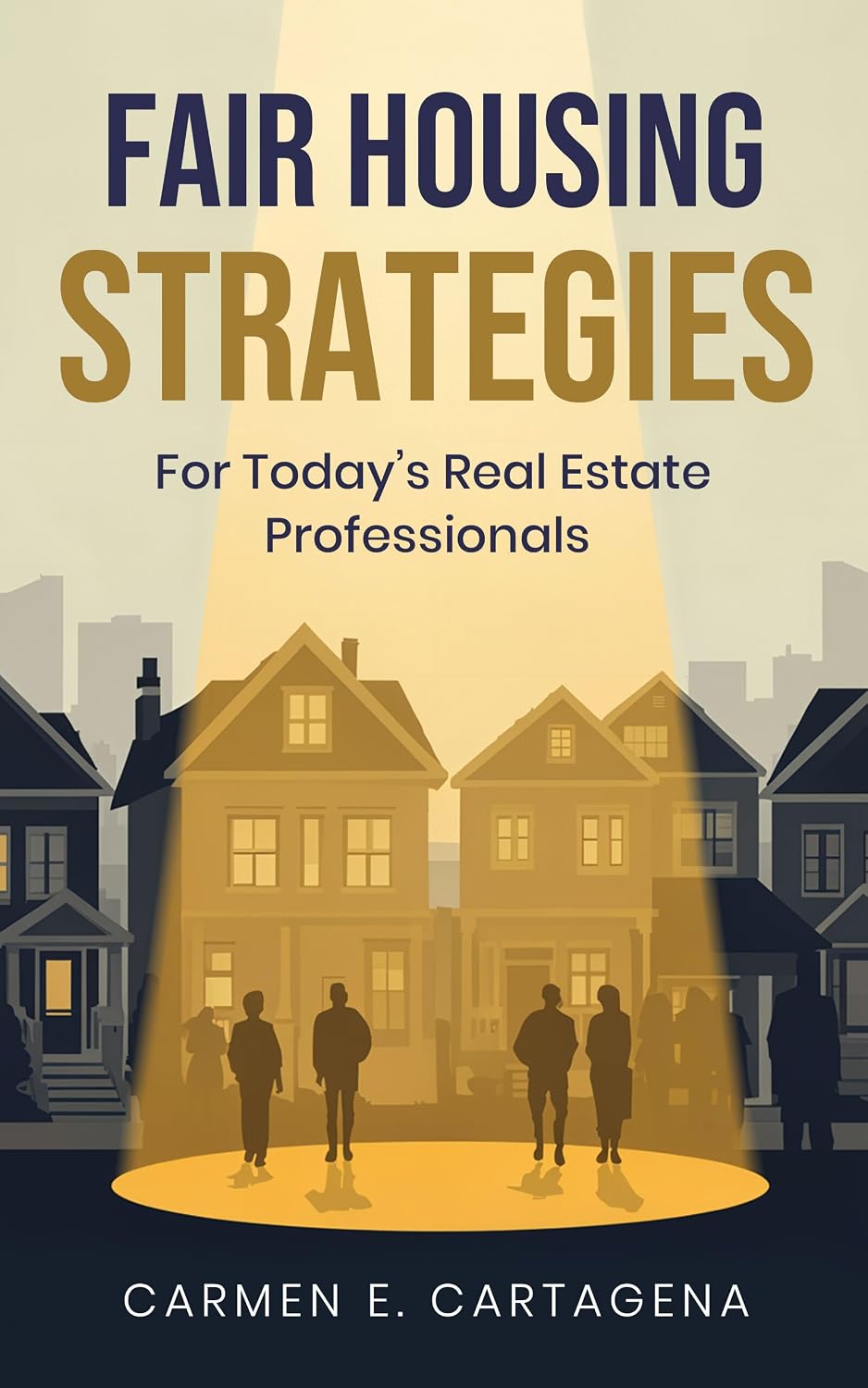
According to Carmen E. Cartagena in Fair Housing Strategies for Today’s Real Estate Professionals, bias can play a significant role in discriminatory practices when it is not recognized and addressed. Understanding how bias works is an important step toward providing equal and fair service to everyone.
Fair Housing Strategies: For Today's Real Estate Professionals
Fair Housing Strategies for Today by Carmen E. Cartagena provides real estate professionals with essential tools and strategies to navigate the complexities of fair housing laws. Despite the progress made since the Fair Housing Act's passage, discriminatory practices remain prevalent in the industry. This book highlights common challenges, such as implicit bias, affinity bias, and microaggressions, and offers actionable strategies to prevent violations.
The author emphasizes cultural awareness and ethical decision-making in everyday real estate practices, guiding professionals on how to respond to unlawful instructions, maintain compliance, and foster inclusivity. With over 22 years of experience in the industry, Cartagena shares proven methods that promote fairness and equal opportunity in housing. This practical guide empowers readers to uphold the law while strengthening their businesses and personal integrity in the process.
What Is Implicit Bias?
Implicit bias refers to the associations and assumptions people make at the unconscious level. Even when a person believes in fairness and equality, their brain may automatically form connections based on past experiences, beliefs, culture, education, media exposure, and other influences.
When meeting someone for the first time, people often make instant associations. These reactions happen quickly and may influence how they view another person. As the book explains, individuals may unconsciously perceive someone as trustworthy or untrustworthy, familiar or unfamiliar, safe or unsafe.
This is why understanding Implicit Bias in Real Estate is so important. Decisions made during client interactions can be affected by assumptions that the professional may not even realize they are making.
How Bias Can Affect Real Estate Decisions
Share:
More in Business
View categoryA Practical Guide for Buyers To Buy Old Reddit Accounts in 2026
If you need More information 24/7 Support (Contact Us) ➤Telegram:@smmgetit ➤ Whatsapp:+1 (812) 223-8309 ➤Email:smmgetit@gmail.com
READ ARTICLEA Rare Guide to Buying Verified PayPal Accounts
If you need More information 24/7 Support (Contact Us) ➤Telegram:@smmgetit ➤ Whatsapp:+1 (812) 223-8309 ➤Email:smmgetit@gmail.com
READ ARTICLEHandwash Liquid Concentrate: A B2B Guide to Choosing the Right Supplier
Learn how to choose the right Handwash Liquid Concentrate supplier in India for bulk procurement, manufacturing, private label, and long-term B2B needs.
How to Choose the Right Toilet Cleaner Concentrate for Your Business
Learn how to choose the right toilet cleaner concentrate for bulk procurement, private-label manufacturing, and B2B cleaning product businesses in India.