
Share:

How a Sleep Study Billing Company Supports Accurate Diagnostic Sleep Medicine Documentation
Optimize sleep medicine documentation with expert Sleep Study Billing Company services. Improve coding accuracy, compliance, and reimbursement efficiency.
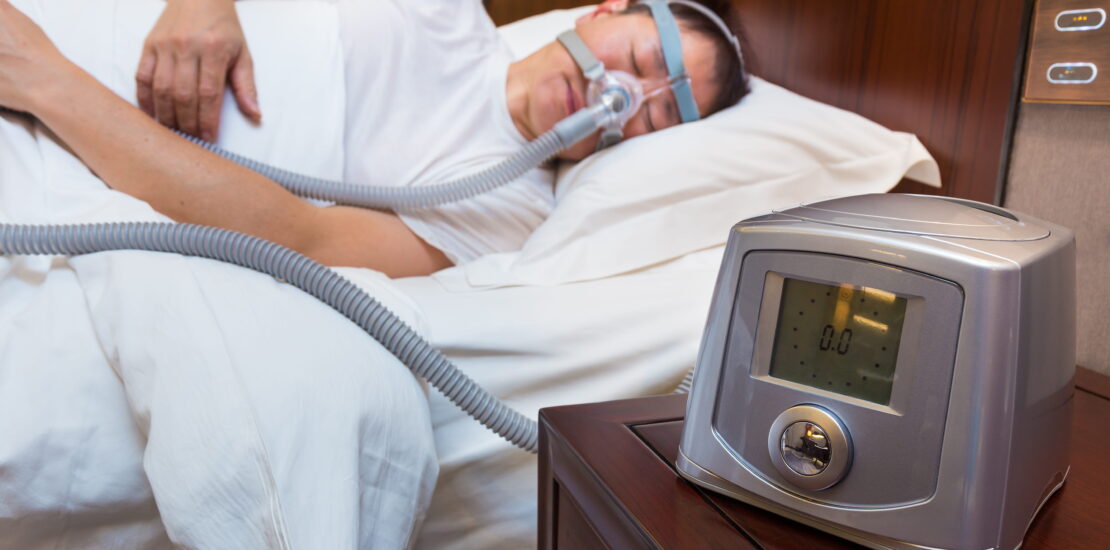
Sleep disorders are a rising public health epidemic, impacting millions of people of varying ages. Conditions include obstructive sleep apnea (OSA), and insomnia. The list of sleep problems has been quite extensive. It also includes narcolepsy, restlessness syndrome, and parasomnia.
One needs to get a checkup from a doctor before it can figure out the best way to treat these sleep problems. Sleep studies are very important for diagnosing such problems. The likes of narcolepsy and parasomnias help doctors see the real cause with the patients, during sleep, to evaluate physiological activity and detect abnormalities.
Every successful sleep laboratory or sleep medicine practice relies on a systematic administrative procedure. It guarantees that diagnostic services are properly recorded and categorized. A sleep study billing company might play a significant role in this process. Rather of relying exclusively on claim submission, these specialist professionals contribute to:
- Coding accuracy
- Support regulatory compliance
- Clinical documentation accuracy
Home sleep apnea testing (HSAT), polysomnography, and telemedicine consultations develop so do payment restrictions. A specialist sleep study billing company knows the complexity and assists doctors in navigating shifting coding rules while preserving precise medical documentation.
Understanding the Complexity of Sleep Study Billing
Sleep medicine is unique because every diagnostic test follows a highly structured workflow involving:
- Patient evaluation
- Physician interpretation
- Overnight monitoring
- Technical data collection
- Final reporting
Each stage creates documentation that must adhere to payer and regulatory criteria. Unlike many outpatient diagnostic procedures, sleep tests may involve a team of healthcare specialists, such as sleep technologists, interpreting physicians, and pulmonologists. Furthermore, it involves medical professionals such as neurologists and sleep medicine specialists. Every service provided throughout the diagnostic procedure necessitates proper documentation to demonstrate medical necessity.
A sleep study billing company gains competence in managing these particular operations. Professionals understand the differences between various sleep testing methodologies and ensure that coding accurately reflects the services provided. This level of specialized expertise minimizes documentation errors and promotes standardized reporting across sleep centers.
Supporting Different Types of Sleep Diagnostic Services
Modern sleep medicine includes a broad range of diagnostic procedures beyond traditional overnight polysomnography. Sleep centers may offer:
- Home sleep apnea testing
- Split-night studies
- Continuous positive airway pressure (CPAP) titration studies
- Multiple sleep latency testing (MSLT)
- Maintenance of wakefulness testing (MWT)
- Pediatric sleep studies
Each diagnostic service has its own documentation requirements and coding criteria. A sleep study billing business understands how these treatments differ from one another. It guarantees that medical records appropriately reflect physician findings, patient history, and test duration. Moreover, the clinical documents also highlight monitoring parameters and interpretation. As sleep laboratories' diagnostic capabilities grow, appropriate coding procedures become more crucial. It aids in preserving accurate patient records and adhering to compliance norms.
The Importance of Documentation in Sleep Medicine
Clinical documentation forms the foundation of accurate sleep study billing. Every patient encounter should clearly describe symptoms, clinical indications, physician orders, diagnostic findings, and interpretation of reports. Patients undergoing sleep studies often present with symptoms including:
- Excessive daytime sleepiness
- Loud snoring
- Witnessed apneas
- Chronic fatigue
- Morning headaches
- Unexplained hypertension
Medical documentation should establish the link between these symptoms and the diagnostic procedure prescribed by the doctor. Before claims are processed, a professional sleep study of RCM services checks the documents to discover any missing information. This proactive strategy helps doctors keep complete medical records while also improving coding precision.
Staying Current with Coding and Regulatory Updates
Sleep medicine coding is continually influenced by updates from organizations responsible for procedural and diagnostic coding standards. New requirements for:
- CPT codes
- ICD-10-CM classifications
- HCPCS codes
- Payer-specific policies
Share:
More in Health
View categoryAdvanced Nose and Sinus Treatment in Pratap Nagar, Jaipur
This blog is about Advanced Nose and Sinus Treatment in Pratap Nagar, Jaipur
READ ARTICLELevothyroxine Price in Pakistan and Morning Thyroid Routine
Learn morning habits for thyroid tablets, what can interfere with absorption, and what affects the levothyroxine price in Pakistan before you order.
READ ARTICLEResidential Battery Market Demand Driven by Solar Energy Adoption
The global residential battery market size was valued at USD 21.8 billion in 2025 and is projected to grow from USD 25.77 billion in 2026 to USD 98.33 billion by 2034, registering a CAGR of 18.22% during the forecast period from 2026 to 2034. Asia Pacific dominated the residential battery market with a market share of 42.3% in 2025.