
Share:

Fresh Ham vs. Cured Ham: What’s the Difference?
Shoppers often stand in front of the meat case wondering which ham to choose for a family meal.
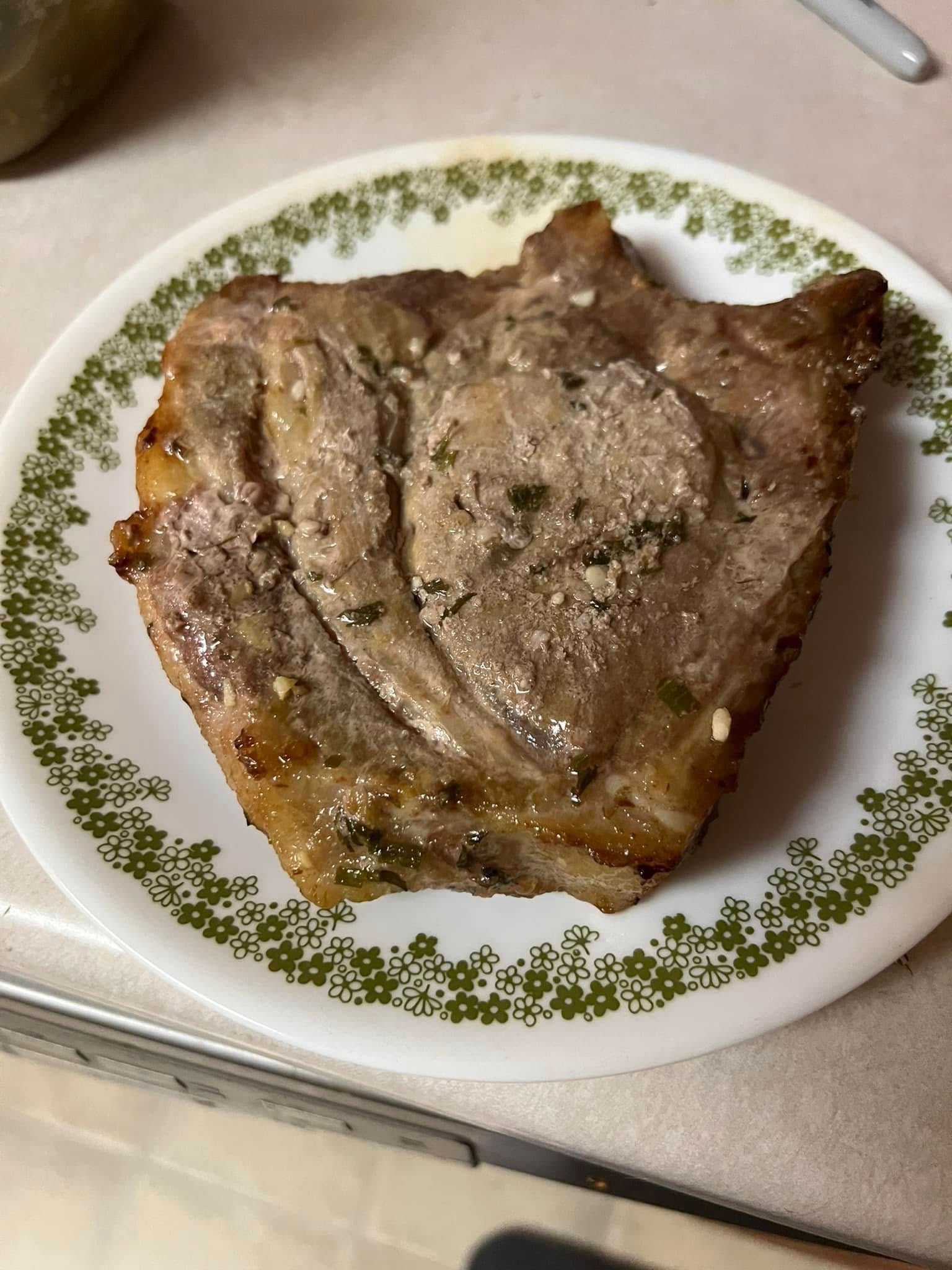
Shoppers often stand in front of the meat case wondering which ham to choose for a family meal. A fresh ham roast looks different from the pink, ready-to-slice options most people recognize as holiday ham. The distinction starts with how the leg of pork is treated after the animal is processed. Fresh ham stays in its natural state. Cured ham goes through salt, sometimes sugar, and often smoke or additional seasonings that change both flavor and shelf life.
Color, Texture, and Basic Appearance
Fresh ham shows the pale pink or beige color of ordinary pork. The meat resembles a large pork roast more than the deep rose or mahogany tones of cured products. Muscle fibers remain soft and moist in their original form. Fat layers appear creamy white rather than the firmer, sometimes darker fat found on long-cured pieces.
Cured ham gains its familiar pink shade through the curing process. Salt draws out moisture and works with nitrates or natural alternatives to stabilize color and texture. The finished product feels firmer to the touch. Slices hold their shape better on a platter. These visual and textural cues help buyers know at a glance which product sits on the counter.
How Curing Changes the Meat
Curing begins with salt. Wet curing soaks or injects the leg with a brine that may include sugar, spices, and preservatives. Dry curing packs the meat in salt and seasonings, then allows it to rest for weeks or months. Many commercial hams receive a final smoke that adds another layer of flavor. The combination slows bacterial growth and extends refrigerator life.
Fresh ham receives none of these treatments. The leg leaves the processing room without added salt or smoke. Buyers must cook it fully, just as they would any other raw pork roast. Cooking times run longer—often 20 to 25 minutes per pound depending on oven temperature and whether the bone remains in place. The result tastes closer to roasted pork than to the salty, smoky slices people expect from cured ham.
Flavor Profiles Side by Side
A fresh ham roast delivers clean pork flavor with natural sweetness from the meat itself. Seasonings applied before roasting—garlic, herbs, mustard, or a simple salt-and-pepper rub—stand out clearly because nothing competes with them. The fat renders slowly and bastes the meat, creating a juicy interior and crisp exterior when the skin is scored and cooked properly.
Cured ham carries a pronounced salty note and, when smoked, a woodsy background. Sweet glazes of brown sugar, maple, or pineapple become popular companions because they balance the salt. Texture turns denser after curing, so slices cut cleanly for sandwiches or holiday platters. Both styles satisfy different preferences. One emphasizes pure pork character. The other leans on the familiar cured-and-smoked profile many families associate with special occasions.
Shelf Life and Kitchen Practicality
Uncooked fresh ham lasts three to five days in the refrigerator or up to six months in the freezer. Once cooked, the window shortens to three or four days chilled. Cured ham, depending on the exact method, often keeps longer before and after cooking. Country-style dry-cured hams can remain stable for months under proper conditions. These differences affect meal planning. Fresh products reward cooks who shop closer to the day of roasting. Cured products offer more flexibility for advance preparation.
Reasons to Choose Farm-Raised Options
Many families now look beyond the supermarket case toward farms that raise animals with care for feed, space, and genetics. Berkshire pork stands out for its natural marbling. That intramuscular fat keeps the meat moist during long roasting and produces richer flavor without heavy sauces. Animals raised on a single farm allow buyers to know the source of every cut.
Direct purchase shortens the path from pasture to table. Meat moves from the farm through processing and into the customer’s cooler without multiple middle steps. Seasonal vegetables, eggs, and other farm products often sit alongside the pork, creating a full shopping stop rather than a single-item trip. People who prefer to support local agriculture and eat food raised by the same hands that sell it find clear advantages here.
Selecting the Right Ham for the Occasion
Share:
More in Business
View categoryFilmyFlyCom.com: A Guide to Movie Casts, Celebrity Biographies and Entertainment Updates
Explore Filmy Fly Com for movie cast details, celebrity biographies, actor profiles, Bollywood news, and the latest Indian entertainment updates.
READ ARTICLEHow to Examine Rare Coins More Closely and Improve Your Collecting Skills
Coin collecting is an enjoyable hobby that combines history, craftsmanship, and the excitement of discovering something unusual.
READ ARTICLECustom Jenga Games: Unique Ideas for Memorable Events
Discover how custom Jenga games add a personal touch to parties, weddings, corporate events, and family gatherings with creative designs and ideas.
READ ARTICLE