
Share:

Exploring the Differences Between Crumble, Budder, and Live Resin
Explore the key differences between crumble, budder, and live resin, including their textures, extraction methods, terpene profiles, and unique characteristics.
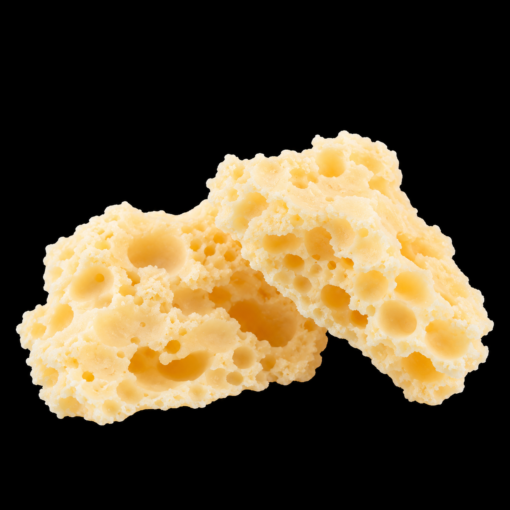
Cannabis concentrates are available in several forms, each offering distinctive textures, appearances, aromas, and production characteristics. Among the commonly discussed varieties are crumble, budder, and live resin. Although all three are cannabis concentrates, they differ in consistency, processing techniques, terpene preservation, and overall composition. Understanding these differences provides useful insight into the diversity of cannabis extracts and the methods used to produce them.
Understanding Cannabis Concentrates
Cannabis concentrates are extracts created by separating desirable compounds from cannabis plant material. These extracts can contain cannabinoids, terpenes, and other naturally occurring plant compounds. Depending on the extraction process and handling techniques, concentrates can develop different textures and chemical profiles.
Some concentrates have a dry, crumbly consistency, while others are soft, creamy, or sticky. These variations are influenced by factors such as temperature, moisture, processing conditions, and the characteristics of the original plant material. Crumble, budder, and live resin illustrate how different extraction and finishing methods can produce noticeably different results.
What Is Crumble?
Crumble is a cannabis concentrate recognized for its dry, fragile, and honeycomb-like texture. It typically has a yellow, golden, or light amber appearance, although its color can vary depending on the source material and processing conditions.
Its distinctive consistency comes from the way the extract is processed and handled. During production, certain conditions encourage the concentrate to develop a porous structure that breaks apart easily. Unlike softer concentrates, crumble generally maintains a relatively dry appearance and can separate into small pieces.
The texture is one of its most recognizable characteristics. Some varieties resemble dry honeycomb, while others have a finer, powder-like consistency. Differences in processing methods and starting material can influence the final appearance.
Crumble is also discussed in relation to terpene content. Terpenes are naturally occurring aromatic compounds responsible for many of the distinctive smells associated with cannabis varieties. Their presence and concentration can vary significantly between individual extracts.
What Is Budder?
Budder is another cannabis concentrate, distinguished primarily by its soft, creamy, and butter-like consistency. It often has a smooth appearance and can range in color from pale yellow to golden amber.
Its texture is generally softer than crumble because of differences in processing and finishing techniques. Agitation, temperature management, and other production conditions can influence the way cannabinoids and other compounds form within the final extract.
Budder's creamy consistency makes it visually different from the dry, porous structure of crumble. Depending on the particular batch, it may resemble whipped butter, thick frosting, or a soft paste.
Like other concentrates, budder can contain varying amounts of cannabinoids and terpenes. Its aroma depends on the original cannabis variety and how the extract was processed and stored. Some examples retain recognizable plant-related aromas, while others may have more subtle aromatic characteristics.
It is important to understand that texture alone does not determine the potency or overall quality of a concentrate. Laboratory testing and reliable product information provide a more meaningful picture of its composition.
What Is Live Resin?
Live resin is a cannabis concentrate known for its emphasis on preserving the aromatic compounds of freshly harvested cannabis. Unlike extracts made from traditionally dried and cured plant material, live resin is generally produced using cannabis that has been frozen soon after harvesting.
Freezing helps preserve volatile terpenes that might otherwise be lost during conventional drying and curing. These compounds contribute to the distinctive aromas associated with different cannabis varieties.
Live resin can appear in several consistencies, including saucy, sugary, or more solid forms. Its texture depends on the extraction process, cannabinoid and terpene composition, and subsequent handling.
One of the defining characteristics of live resin is its aromatic profile. Because its production begins with fresh-frozen plant material, it may retain a more pronounced representation of the original plant's fragrance.
However, live resin is not a single texture or fixed chemical formulation. Different batches can have substantially different appearances and compositions.
Share:
More in Health
View categoryCan Uterine Fibroids Increase the Risk of Miscarriage?
The answer depends on several factors, including the size, number, and location of the fibroids. Some fibroids may interfere with embryo implantation, restrict the space available for a growing baby, or affect the uterine environment. Understanding the connection between fibroids and miscarriage can help you make informed decisions about your reproductive health and explore appropriate treatment options before or during pregnancy. How Do Fibroids Affect Pregnancy? Not all uterine fibroids affect pregnancy in the same way. Their location plays an important role in determining potential complications. - Submucosal fibroids: These develop inside the uterine cavity and may interfere with embryo implantation, increasing the risk of pregnancy complications. - Intramural fibroids: These grow within the muscular wall of the uterus. Larger fibroids that distort the uterine cavity may affect pregnancy development. - Subserosal fibroids: These grow on the outer surface of the uterus and are generally less likely to interfere with pregnancy. Fibroids that are large, multiple, or positioned near the uterine cavity may create challenges during pregnancy. Can Fibroids Cause Miscarriages? Yes, certain uterine fibroids can increase the risk of miscarriage, particularly when they affect the shape of the uterine cavity. These growths may interfere with the implantation of a fertilized egg or affect the blood supply needed to support early pregnancy. However, having fibroids does not automatically mean you will experience a miscarriage. Many women with uterine fibroids conceive naturally and carry healthy pregnancies to full term. The overall risk depends on individual circumstances, including fibroid location, size, and whether the growths distort the uterine cavity. If you have experienced repeated miscarriages, discussing fibroid evaluation with a healthcare provider can help identify possible contributing factors. Signs That Fibroids May Affect Your Pregnancy Some women experience no noticeable symptoms from uterine fibroids. Others may experience symptoms that require medical attention, including: - Pelvic pressure or persistent lower abdominal discomfort. - Heavy or prolonged menstrual bleeding before pregnancy. - Frequent urination due to pressure on the bladder. - Abdominal swelling or an enlarged uterus. - Pelvic pain during pregnancy. These symptoms do not necessarily indicate a miscarriage. However, severe abdominal pain, heavy bleeding, or unusual vaginal discharge during pregnancy should be evaluated promptly by a healthcare professional. How Are Fibroids Diagnosed During Pregnancy? Healthcare providers commonly use ultrasound examinations to identify uterine fibroids and monitor their size and location. An ultrasound can also help assess the pregnancy and check for potential complications. Your doctor may recommend additional monitoring depending on the number of fibroids, their position, and your pregnancy history. Regular prenatal appointments are important for tracking your baby's development and addressing any concerns early. Can Treating Fibroids Reduce the Risk of Miscarriage? Treatment depends on your symptoms, reproductive goals, and the characteristics of your fibroids. In some cases, doctors may recommend treating fibroids before pregnancy, particularly when they distort the uterine cavity or contribute to reproductive complications. Uterine Fibroid Embolization (UFE) is a minimally invasive treatment that reduces blood flow to fibroids, causing them to shrink over time. However, UFE is generally not recommended for women planning future pregnancies because its effects on fertility and pregnancy outcomes remain uncertain. Other treatment approaches may be more appropriate depending on individual circumstances. Protect Your Reproductive Health Understanding the relationship between fibroids and miscarriage can help you take informed steps toward a healthy pregnancy. Although certain fibroids may increase miscarriage risk, many women with these growths have successful pregnancies. If you have fibroids and are planning to conceive, consult a fibroid specialist to understand your treatment options. USA Fibroid Centers provides information about uterine fibroid conditions and minimally invasive treatment options to help women make informed decisions about their reproductive health.
READ ARTICLECarcinoid Syndrome Diarrhea Treatment Market Outlook: North America Leads the Global Market
Carcinoid syndrome diarrhea treatment refers to medical therapies used to manage frequent, persistent diarrhea caused by hormone-secreting neuroendocrine tumors.
Before You Buy an Electric Trike Online: Seven Questions and the Red Flags to Watch
Seven questions to ask and the listing red flags to watch before buying an electric trike online, from warranty terms to range claims and folding size.
READ ARTICLE