Share:

Emergency Dental Surgery: What to Do When a Dental Problem Cannot Wait
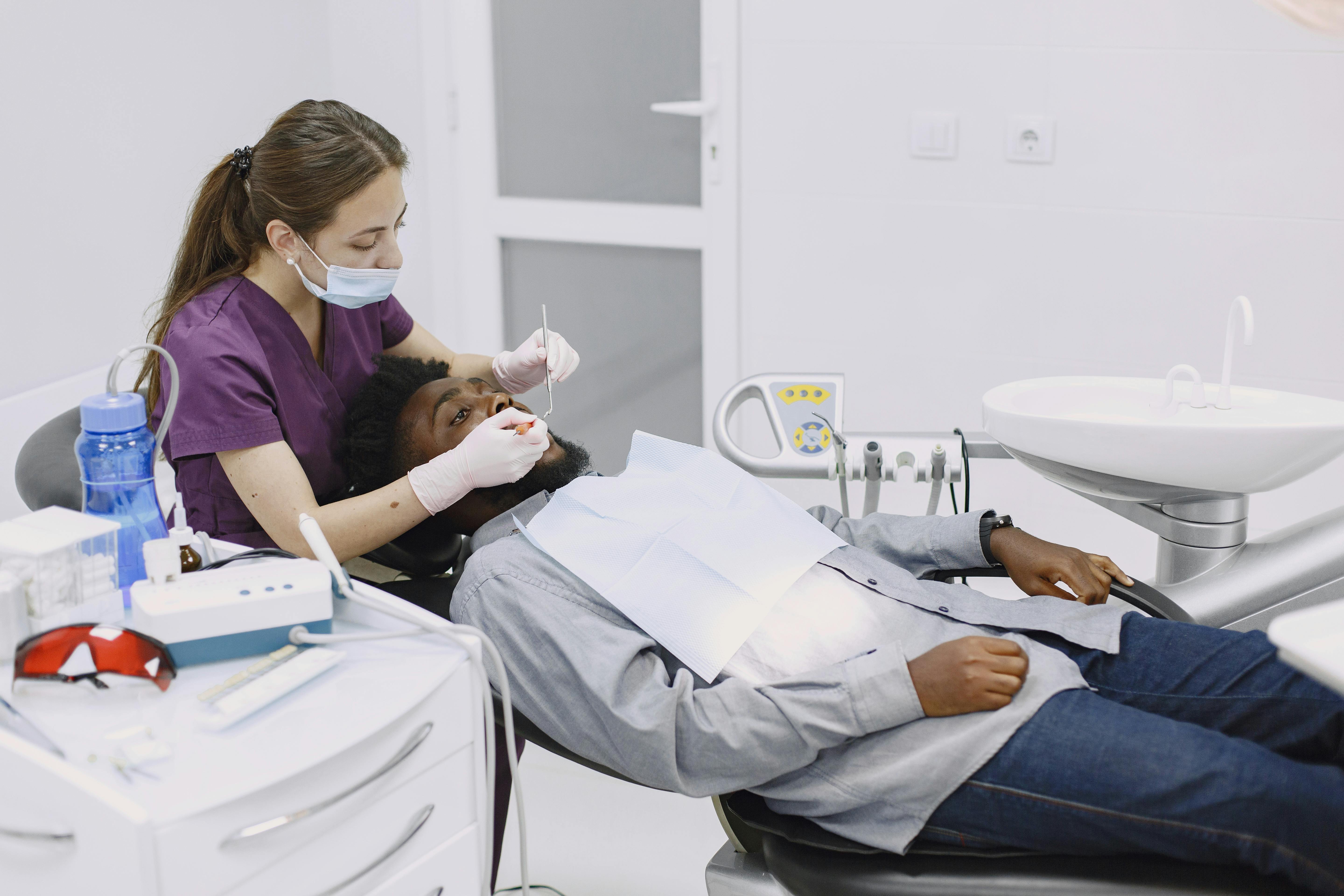
A sudden dental problem can be frightening, especially when pain develops quickly or an injury affects the mouth. Severe tooth pain, facial swelling, uncontrolled bleeding, or dental trauma may require prompt professional attention. Emergency dental surgery Statesville NC care can involve several types of procedures, depending on the source and severity of the problem. Understanding what may happen during an emergency visit can help patients respond calmly and recognize when delaying treatment could allow a serious dental issue to become worse.
What Makes a Dental Problem an Emergency?
Not every toothache requires immediate surgery, but certain symptoms deserve urgent evaluation. Severe or persistent dental pain, swelling around the face or jaw, a knocked-out permanent tooth, significant oral bleeding, or a serious dental injury can require prompt care. An infection that spreads into surrounding tissues may also become a medical concern. Difficulty breathing or swallowing, rapidly increasing facial swelling, or signs of severe illness require immediate emergency medical attention rather than waiting for a routine dental appointment.
Common Reasons Emergency Surgery May Be Needed
Emergency dental procedures can be necessary for several different conditions. A badly damaged tooth may require surgical removal when it cannot be restored safely. An abscess may need drainage along with treatment of the infected tooth or surrounding tissues. Severe trauma can damage teeth, gums, or supporting bone and may require immediate stabilization. In some cases, an impacted tooth can cause significant infection or inflammation and require surgical removal. The appropriate procedure depends on the diagnosis rather than the pain level alone.
How an Emergency Dental Evaluation Begins
An urgent dental visit generally starts with a review of symptoms and a focused examination. The dentist may ask when the pain began, whether it is getting worse, and whether swelling, fever, injury, or drainage is present. Dental imaging may be used to identify hidden decay, infection, bone damage, or the position of a tooth. The goal is to determine the cause of the problem and decide which treatment should happen immediately and which care can safely be scheduled later.
Managing Pain and Infection
Emergency treatment often focuses first on controlling pain and addressing active infection. Depending on the condition, treatment may include local anesthesia, drainage of an abscess, removal of a severely damaged tooth, or treatment intended to preserve the tooth. Antibiotics may be appropriate in certain infections, but they do not replace treatment of the underlying dental source when a procedure is needed. Patients should take medications only as directed by a qualified healthcare professional.
Emergency Tooth Extraction
A severely fractured, infected, or otherwise unsalvageable tooth may need to be removed. Before extraction, the dentist evaluates the tooth and surrounding tissues and explains the procedure. Local anesthesia is commonly used to control discomfort. If the tooth is difficult to access or impacted, a surgical approach may be required. After removal, patients receive instructions about protecting the extraction site, maintaining oral hygiene, managing swelling, and recognizing signs that require follow-up.
Dental Trauma and Facial Injuries
Accidents can cause chipped, fractured, displaced, or knocked-out teeth. Quick evaluation may improve the chance of protecting injured tissues and determining whether the tooth can be preserved. Patients should avoid attempting to force a damaged tooth back into place without professional guidance. Facial injuries involving significant bleeding, suspected jaw fractures, loss of consciousness, or breathing difficulties require emergency medical evaluation. Dental treatment can then be coordinated according to the injury and the patient's condition.
What Recovery May Involve
Recovery depends on the procedure performed and the patient's overall health. Some emergency treatments involve only a short period of soreness, while surgical procedures may require several days of careful recovery. Swelling can occur after oral surgery and may be more noticeable during the first few days. Patients should follow instructions about food, cleaning, physical activity, medications, and follow-up visits. Protecting the treated area can help support normal healing and reduce avoidable complications.
When to Seek Immediate Help
Patients should not ignore symptoms that are rapidly worsening. Increasing facial swelling, difficulty breathing or swallowing, uncontrolled bleeding, severe trauma, or signs of a spreading infection warrant urgent attention. A dental infection can sometimes extend beyond the original tooth and affect nearby tissues. Early assessment can help identify the source and determine the safest treatment. If symptoms appear life-threatening, emergency medical services should be contacted immediately.
Choosing Emergency Dental Surgery Care
When looking for emergency dental surgery in Statesville NC treatment, patients should focus on timely evaluation, clear communication, and appropriate diagnosis. It is helpful to explain all symptoms accurately and mention any recent injury, medication use, allergies, or relevant health concerns. Patients can also ask what treatment is needed immediately, what alternatives may exist, how long recovery could take, and when follow-up care should occur. Understanding the plan can make an urgent situation feel more manageable.
Preventing Future Dental Emergencies
Some emergencies cannot be predicted, but regular dental care can reduce the risk of certain problems becoming severe. Routine examinations can identify cavities, gum disease, damaged fillings, cracked teeth, and other concerns before they develop into urgent conditions. Wearing appropriate protection during contact sports can also reduce the risk of dental injuries. Good daily brushing and interdental cleaning further support oral health. Prompt attention to early symptoms is often one of the simplest ways to prevent a manageable problem from becoming an emergency.
A Calm Response Can Make a Difference
Share:
More in Health
View categoryDental Clinic in Southampton: Affordable Dental Implants at Dental Concepts
Looking for a trusted dental clinic in Southampton? Dental Concepts offers personalised dental care and affordable dental implants, including single-tooth, multiple-teeth and full-mouth implant solutions. With over 25 years of experience in dental implants, Dr Manish Chitnis helps patients explore suitable treatment options to restore their smiles, improve chewing function and regain confidence. Contact Dental Concepts to discuss your dental needs and treatment costs.
READ ARTICLEWhat Causes Uneven Handwriting and How Can Occupational Therapy Help?
Discover what causes uneven handwriting in children and how occupational therapy can improve pencil control, letter formation, spacing and writing confidence.
READ ARTICLELiving With Multiple Health Conditions? How Advanced Internal Medicine Supports Better Disease Management
Discover how advanced internal medicine supports chronic disease management, medication safety, coordinated treatment, and healthier long-term living.
READ ARTICLEPrimary Care Physician San Antonio: What to Look for When Your Healthcare Needs Change
Learn how to choose a primary care physician san antonio based on healthcare needs, communication, appointment access, insurance coverage, and continuity of care.
READ ARTICLE