
Share:

DIY RV Cleaning Guide: Practical Ways to Keep Your Recreational Vehicle Looking Fresh
Discover practical DIY RV cleaning tips to remove dirt, protect exterior surfaces, and keep your recreational vehicle looking fresh with the right cleaning products and maintenance routine.
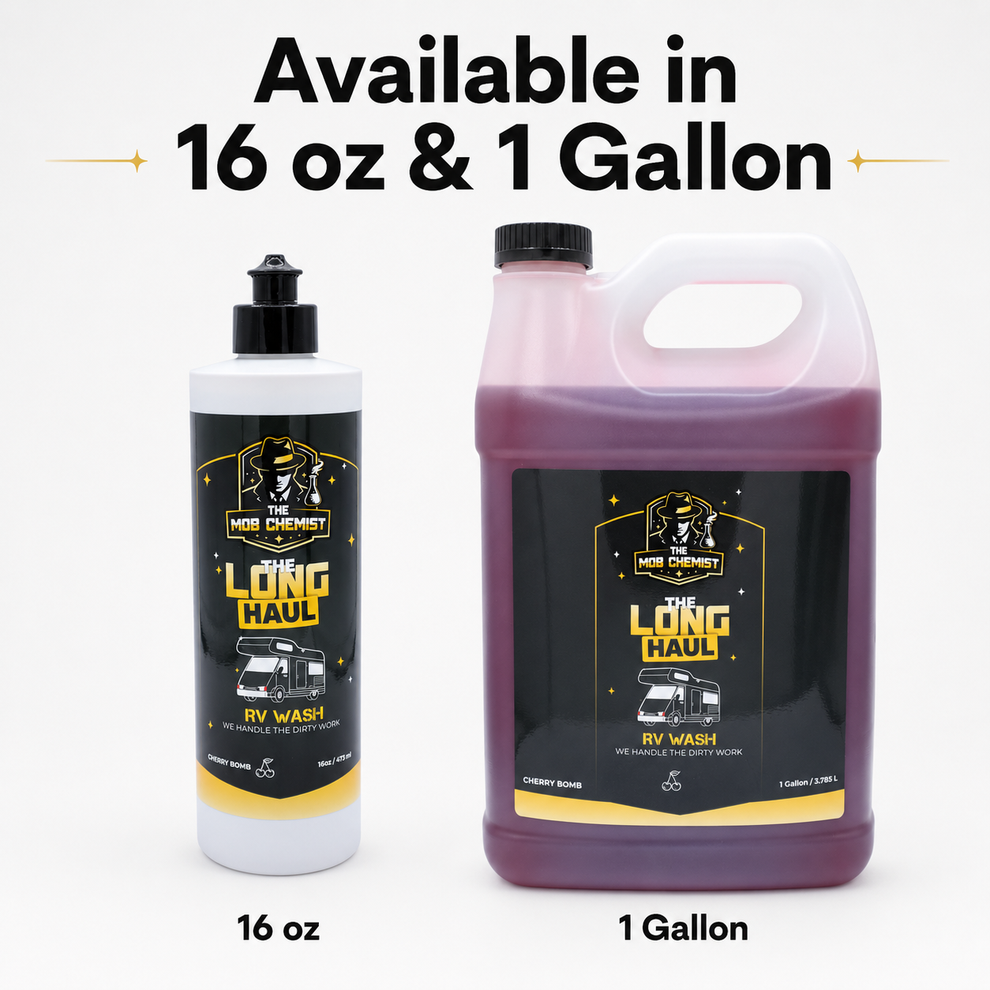
Keeping a recreational vehicle clean is essential for maintaining its appearance, protecting exterior surfaces, and creating a comfortable travel environment. Regular cleaning helps remove road dust, mud, insects, water spots, and other debris that accumulate during trips. Whether you use your RV for weekend getaways or extended road adventures, a consistent maintenance routine can make a noticeable difference. With the right supplies, practical techniques, and a reliable camper wash, you can keep your vehicle looking fresh without depending on professional cleaning services every time.
Start With a Simple RV Cleaning Routine
Before washing your recreational vehicle, take a few minutes to inspect its exterior. Look for accumulated dirt, stubborn stains, insect residue, and areas that need extra attention. Remove loose debris using a soft brush or gentle stream of water. This initial step prevents abrasive particles from scratching the surface during washing.
A regular rv wash routine also makes cleaning easier because dirt has less time to become difficult to remove. Establish a schedule based on how frequently you travel and where you park your vehicle. RVs exposed to dusty roads, coastal environments, or muddy campsites may require more frequent attention than vehicles stored in covered spaces.
Choose the Right Cleaning Products
Using suitable cleaning products is important for protecting your RV's exterior finish. Household detergents and harsh chemicals may damage certain finishes, decals, protective coatings, or rubber components. Instead, select products designed for recreational vehicle surfaces and follow their manufacturer's dilution and application instructions.
A dedicated camper wash can help remove common road grime while supporting regular exterior maintenance. When comparing cleaning solutions, consider their intended surfaces, cleaning strength, and ease of rinsing. The best rv detailing wash should suit your vehicle's materials and cleaning requirements rather than simply producing excessive foam.
Understand Your RV's Exterior Materials
Different recreational vehicles feature different exterior materials, including painted metal, fiberglass, aluminium, and gelcoat. Each surface may have specific cleaning requirements. Always check manufacturer recommendations before applying a new product. Testing a small, inconspicuous area first can help identify potential compatibility problems.
Wash the Exterior From Top to Bottom
Start cleaning your RV from the roof and gradually work toward the lower panels. This method allows dirty water to flow downward without contaminating areas that have already been cleaned. Use a suitable extension brush with soft bristles to reach higher sections safely.
Apply your rv wash according to the product instructions, working on manageable sections rather than allowing cleaning solution to dry on the surface. Rinse each section thoroughly before moving forward. A suitable car wash for rvs should lift everyday dirt without requiring excessive scrubbing.
Pay special attention to lower panels, wheel arches, and rear surfaces because these areas often collect road spray and mud. Use separate cleaning tools for wheels and heavily soiled sections to avoid transferring abrasive dirt onto delicate exterior finishes.
Clean Windows, Mirrors, and Exterior Details
Clean windows carefully using products suitable for automotive or RV glass. Avoid abrasive pads that could scratch the surface. A soft microfiber cloth helps remove fingerprints, dust, and water marks while leaving fewer streaks.
Mirrors, lights, door handles, and exterior fixtures also deserve attention. These smaller details contribute to the overall appearance of your recreational vehicle. When using a camper wash, keep the cleaning solution away from electrical connections and follow the product's safety instructions. Rinse carefully and dry sensitive areas with a clean cloth.
Give the Awning and Roof Extra Care
Awnings and roofs collect leaves, pollen, bird droppings, and moisture. Check care instructions for the fabric or roofing material before cleaning.
Avoid directing strong water pressure at seams, vents, seals, or decals. Excessive pressure can force water into vulnerable areas or loosen graphics. A careful rv wash should remove dirt while preserving the parts that keep your vehicle weather-resistant.
Dry the Surface and Inspect Your Work
After rinsing, use clean microfiber towels to dry accessible areas and reduce water spots. Check around windows, storage doors, lights, and trim for remaining dirt or signs of damage. If you notice cracked sealant, loose decals, or unusual moisture, arrange an inspection rather than trying stronger soap.
Choosing a car wash for rvs means considering more than cleaning power. Look for a formula suitable for the surfaces you intend to wash, and follow its label carefully. The best rv detailing wash is one that fits the manufacturer's care guidance and your maintenance needs.
Share:
More in Business
View categoryPen Needles Market Trends
Advancements in pen needle design are improving injection comfort and ease of use for patients requiring regular medication administration. Manufacturers are developing thinner, shorter, and sharper needles to reduce discomfort and improve patient adherence. These innovations support the adoption of pen needles among individuals managing diabetes and other chronic conditions.
READ ARTICLE10 Best Websites to Buy Old Gmail Accounts in Bulk (PVA
🌙⚡⚡➤Telegram: @Nexaccts 🌙⚡⚡➤Channel:@Nexaccts 🌙⚡⚡➤ WhatsApp:+447347204007 🌙⚡⚡➤Website :Nexaccts.com
READ ARTICLE