Share:

Dance School for Children: Helping Kids Build Confidence, Creativity, and Lifelong Skills
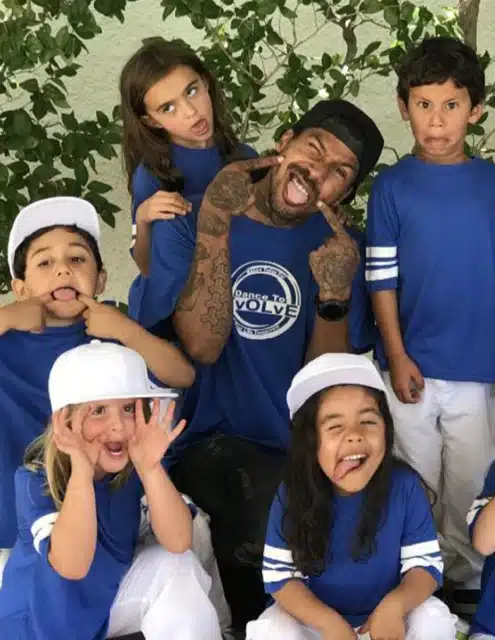
Choosing the right dance school for children is about much more than finding a place where kids learn dance steps. It is about discovering an environment where children can develop confidence, improve physical fitness, express themselves creatively, and build friendships that extend beyond the classroom.
Dance has long been recognized as one of the most enriching activities for children. It combines movement, music, discipline, and imagination in a way that supports healthy development while keeping learning enjoyable. Whether a child dreams of performing on stage or simply wants an exciting after-school activity, dance offers valuable experiences that contribute to their overall growth.
This guide explores the many benefits of children's dance education, what families should look for in a quality program, and how dance can positively shape a child's future.
Why Dance Is Beneficial for Children
Children naturally enjoy moving to music. Dance transforms that natural energy into structured learning while encouraging creativity and self-expression.
Unlike many activities that focus primarily on competition or winning, dance emphasizes personal improvement. Children learn that progress comes through practice, patience, and persistence. Every new routine they master becomes a reminder that dedication leads to achievement.
These lessons often carry over into school, friendships, and everyday life, helping children become more resilient and confident individuals.
Physical Benefits of Dance
One of the greatest advantages of enrolling in a dance school for children is the wide range of physical benefits that dance provides.
Improved Coordination
Learning dance routines helps children coordinate their movements while developing better body awareness. As they practice different steps and combinations, they become more balanced and agile.
Strength and Flexibility
Dance naturally strengthens muscles while improving flexibility. These physical improvements support healthy posture and reduce the likelihood of injuries during other sports and recreational activities.
Cardiovascular Health
Dancing is an excellent form of exercise. Regular participation encourages children to stay active while improving endurance, heart health, and overall fitness.
Healthy Habits
When children discover that physical activity can be fun, they are more likely to maintain healthy exercise habits as they grow older.
Emotional Growth Through Dance
Dance provides a safe space where children can express emotions that may be difficult to communicate with words.
Building Confidence
Every successful performance, completed routine, or newly learned technique contributes to a child's self-confidence. Even small accomplishments create a sense of pride that motivates continued learning.
Share:
More in Business
View categoryBuy Aged GitHub Accounts – Complete Guide for Developers & Marketers
Looking to buy aged GitHub accounts? Get fully aged, active GitHub profiles with commits, stars & contributions. Fast, secure delivery and best prices available now. https://buymailaccounts.com/service/buy-aged-github-accounts
READ ARTICLEBuy LinkedIn Accounts – Verified, Aged Profiles Ready for Marketing & Growth
Looking to Buy LinkedIn Accounts? Premium, high-quality accounts available with authentic activity. Fast delivery & 24/7 support. Start scaling now! https://buymailaccounts.com/service/buy-linkedin-accounts
READ ARTICLEBuy Google Voice Accounts – Instant Access to Verified Numbers
Looking to Buy Google Voice Accounts? Get cheap, verified USA Google Voice numbers with fast delivery and 24/7 support. Order now and start using instantly! https://buymailaccounts.com/service/buy-google-voice-accounts
READ ARTICLEBest 8 Websites to Buy Instagram Accounts Bulk
🌏🗣🔥👉➤For low-cost, high-quality accounts, 🌏🗣🔥👉➤Telegram: @getpvasmm 🌏🗣🔥👉➤WhatsApp: + 1 (830) 739-8217 🌏🗣🔥👉➤Telegram: @getpvasmm 🌏🗣🔥👉➤Discord:getpvasmm
READ ARTICLE