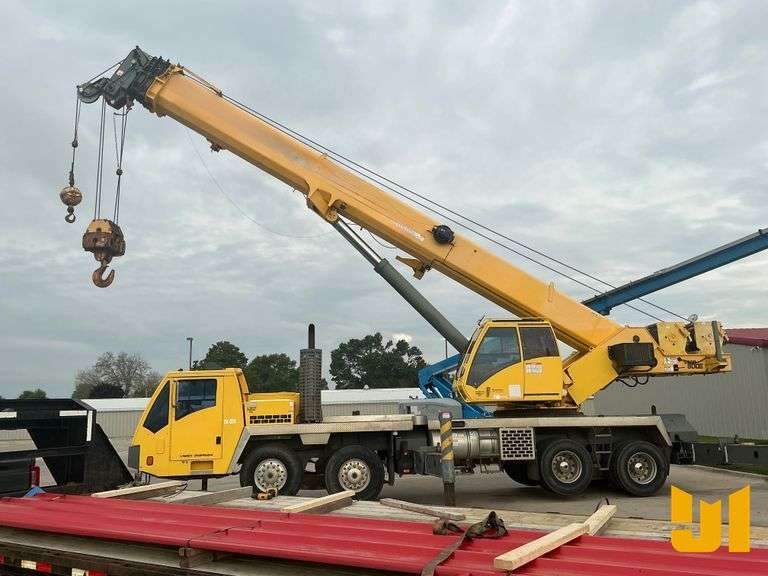
Learn how a crane auction works, what buyers should inspect before bidding, and how equipment owners can maximise value when selling through a trusted heavy equipment marketplace.
Crane Auction: A Complete Guide for Commercial Buyers and Equipment Sellers
Buying and selling heavy equipment requires careful planning, especially when the equipment involved is a crane. Contractors, construction companies, rental businesses, and fleet managers all need equipment that performs reliably while delivering value for their investment. A crane auction has become one of the most effective ways to connect commercial buyers with equipment owners looking to sell quality used cranes through a competitive marketplace.
Unlike private sales, auctions provide transparency, broader market exposure, and access to multiple machines in one place. Buyers can compare equipment from different sellers, while equipment owners benefit from reaching a large audience of qualified commercial buyers. Whether a company is expanding its fleet, replacing older machinery, or liquidating surplus assets, an auction marketplace creates opportunities that benefit both sides of the transaction.
Understanding How a Crane Auction Works
A crane auction brings together equipment owners and commercial buyers through a structured bidding process. Sellers list their equipment with relevant documentation, inspection information, photographs, and equipment details. Interested buyers review the available inventory before placing bids during the auction.
Depending on the marketplace, auctions may be conducted online, onsite, or through a combination of both. This flexibility allows contractors and equipment buyers from different locations to participate without being limited to a single region.
Many auctions include equipment such as:
Crawler cranes
All-terrain cranes
Rough terrain cranes
Truck-mounted cranes
Boom trucks
Carry deck cranes
Loader cranes
Other heavy lifting equipment
Having different crane types available in one marketplace allows buyers to compare options based on project requirements, budget, and equipment condition.
Why Commercial Buyers Choose Crane Auctions
Purchasing equipment through a crane auction offers several advantages over traditional buying methods. Instead of contacting multiple dealers or private sellers, buyers can evaluate a wide range of equipment during the same auction event.
One of the biggest benefits is market transparency. Competitive bidding reflects current demand, giving buyers a better understanding of equipment value. Auctions also provide opportunities to purchase well-maintained cranes from contractors, fleet operators, rental companies, and commercial businesses that are replacing or downsizing their fleets.
Many buyers appreciate the ability to compare multiple machines before making a purchasing decision. Reviewing several options helps identify equipment that best matches operational requirements without exceeding budget.
What Buyers Should Inspect Before Bidding
Successful equipment purchases begin long before bidding starts. Buyers should carefully review every available detail before committing to a purchase.
Important areas to inspect include:
Overall equipment condition
Structural components
Service and maintenance records
Ownership documentation
Operating hours
Inspection reports
Photographs from multiple angles
Load charts and available accessories
Whenever possible, buyers should inspect the equipment in person or review detailed inspection reports provided by the auction company. Understanding the condition of the machine helps reduce uncertainty and allows buyers to establish a realistic bidding limit.
Transportation should also be considered before bidding. Large cranes often require specialised hauling, permits, escorts, and scheduling. Factoring transportation costs into the overall purchase budget prevents unexpected expenses after the auction.
Benefits of Selling Through a Crane Auction
A crane auction is equally valuable for equipment owners looking to sell. Instead of spending months negotiating with individual buyers, sellers can present their equipment to a large audience of commercial buyers already searching for cranes.
Businesses commonly use auctions when they are:
Upgrading their fleet
Replacing older equipment
Reducing fleet size
Closing a construction business
Liquidating rental equipment
Selling surplus assets after project completion
Competitive bidding encourages buyers to determine market value naturally, reducing lengthy negotiations and helping sellers complete transactions more efficiently.
For fleet owners with multiple machines, auctions provide an organised process that simplifies the sale of several assets within a single event.
Preparing Equipment for Auction
Preparation plays a major role in attracting buyer interest. Well-presented equipment creates confidence and encourages stronger bidding activity.
Before listing equipment, sellers should ensure they have:
Complete ownership documentation
Service and maintenance records
Accurate operating hour information
High-quality photographs
Inspection details
Any available repair history
Cleaning the equipment before photography and inspection also improves presentation. While appearance does not replace mechanical condition, professionally presented equipment often generates greater buyer interest.
Honest disclosure of known issues helps build trust and reduces complications after the sale.
Understanding Equipment Valuation
Every crane has a different market value based on several factors. Buyers and sellers should understand what influences pricing before participating in an auction.
Common valuation factors include:
Age of the equipment
Manufacturer
Model
Maintenance history
Operating hours
Overall condition
Market demand
Geographic location
Available documentation
Fleet managers frequently monitor auction results to better understand changing market values. Reviewing recent sales helps buyers establish realistic bidding strategies while helping sellers determine the right time to bring equipment to market.
Planning Transportation After Purchase
Winning the auction is only one part of the buying process. Moving heavy equipment safely and efficiently requires careful planning.
Depending on crane size, transportation may involve:
Oversized load permits
Route planning
Escort vehicles
Loading equipment
Delivery scheduling
Insurance considerations
Buyers who prepare transportation arrangements before auction day can often complete the process more smoothly after purchase.
Practical Bidding Strategies
Experienced buyers rarely enter an auction without a plan. Setting a maximum budget before bidding begins helps avoid emotional decisions during competitive bidding.
Useful bidding strategies include:
Research current market prices.
Review all available documentation.
Compare several machines before choosing one.
Include transportation and buyer fees in the total budget.
Avoid exceeding your planned spending limit.
Remaining disciplined during bidding often produces better long-term purchasing decisions than reacting to every competing bid.
Seller Checklist Before Auction Day
Sellers can improve the overall buying experience by preparing equipment thoroughly before listing it.
A simple checklist includes:
Verify ownership paperwork.
Organise maintenance records.
Clean the equipment.
Capture clear photographs.
Provide accurate equipment specifications.
Disclose known repairs or issues.
Schedule inspections if required.
Providing complete information helps commercial buyers evaluate equipment with greater confidence.
Why Choosing the Right Marketplace Matters
Not every auction marketplace offers the same experience. Buyers and sellers benefit from working with established companies that understand heavy equipment transactions and attract qualified commercial participants.
A trusted marketplace provides:
Detailed equipment listings
Inspection information
Transparent bidding
Broad buyer exposure
Professional auction management
Support throughout the transaction process
Commercial buyers looking for upcoming crane auction opportunities often turn to Jeff Martin Auctioneers, a marketplace specialising in cranes and heavy equipment. By connecting contractors, fleet managers, equipment owners, and commercial buyers, the marketplace supports efficient equipment transactions across the construction industry.
Final Thoughts
A crane auction offers practical advantages for both buyers and sellers. Buyers gain access to a competitive marketplace with a wide selection of equipment, while sellers benefit from increased exposure and market-driven pricing. Success depends on careful preparation, reviewing inspection information, understanding equipment value, and choosing a marketplace with experience in heavy equipment transactions.
Whether purchasing a single crane for an upcoming project or liquidating an entire construction fleet, participating in a professional auction marketplace can help businesses make informed decisions while achieving efficient, transparent equipment sales.
Visit Shine & Smile Beauty Parlour in Gurgaon for professional bridal makeup, skincare, hair styling, facials, nail care, and personalized beauty treatments.
KL Escort is becoming the modern traveler’s point of interest in Kuala Lumpur. Discover refined, discreet companionship focused on reliability, presence, and privacy.
Discover if your business is social search ready with expert digital marketing, SEO Services for small businesses, branding and graphic design services. Contact us today!