
Share:

Cotton Blankets: The Layer Every Australian Bed Needs
Cotton blankets are the hardest-working layer on an Australian bed — breathable in summer, warm under a quilt in winter, and easy to care for.

Quilts get all the attention, but the blanket is the hardest-working layer on an Australian bed. Australian weather refuses to sit still — a spring night can start at 24 degrees and finish at 12 — and a blanket is what lets you adjust without remaking the bed.
Cotton is the layer that earns its place year-round. A cotton blanket breathes in summer when worn over a sheet on its own, and in winter it adds a trapped layer of warmth under the quilt without the bulk of a second doona. It also washes and dries easily, which matters for a layer that gets used every single night.
Compare the options honestly. Wool blankets are warmer and naturally temperature-regulating, but heavier and slower to dry. Synthetic blankets are light and cheap, though they can feel clammy in humidity and pill quickly. Cotton sits in the middle: durable, comfortable against skin, and easy to care for — which is why hotels layer with it.
On the bed, the practical way to use one is simple. In summer: sheet, cotton blanket, done. In the shoulder seasons: sheet, blanket, light quilt. In winter: sheet, blanket under the full quilt, and fold the blanket down on the nights that turn mild. The same blanket works on the couch for movie nights and across the end of a guest bed.
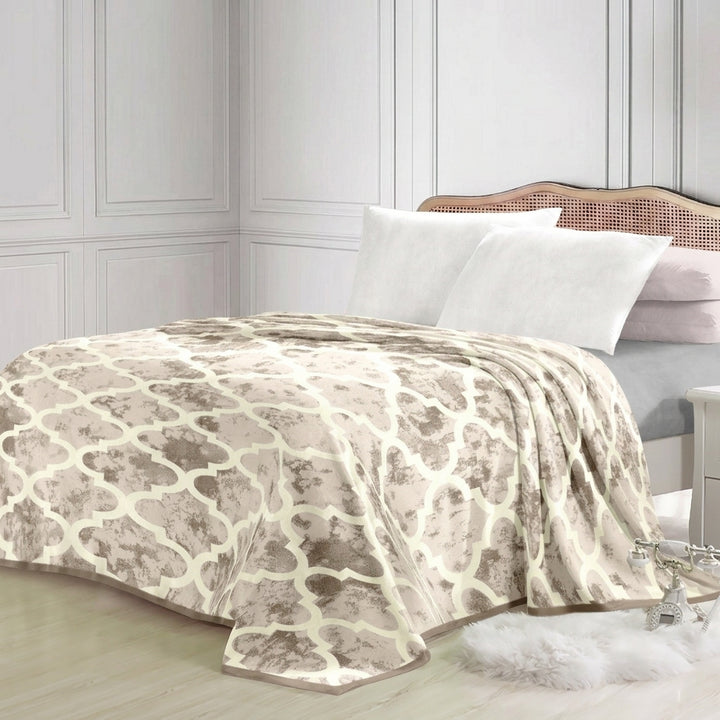
That is where cotton blankets from Bedding King come in — sized for Australian beds from single to king, in weaves that stay smooth wash after wash, so the one layer you reach for every night is the one that lasts.Why cotton suits Australian bedrooms
Cotton has been the default bedding fibre for generations, and there is a good reason for that. It is a natural fibre, so air moves through it rather than sitting against the skin. That breathability is what makes a cotton blanket comfortable on a humid night in Brisbane and still useful on a cool evening in Hobart. Cotton also absorbs moisture without feeling damp, which helps the bed stay dry and comfortable through the night. For households with sensitive skin or allergy-prone sleepers, cotton is a gentle choice: it is naturally hypoallergenic, softens with every wash, and does not carry the static or clammy feel that some synthetic fabrics develop. It is also a practical fibre for families, since cotton blankets stand up to regular washing and come out of the machine ready to use again.
Picking the right weave and weight
Not all cotton blankets feel the same, and the weave makes the difference. An open waffle or thermal weave traps small pockets of air, giving warmth without much weight — a good pick for the shoulder seasons and for sleepers who overheat. A denser, flat-woven blanket feels smoother and heavier, and suits winter layering under a quilt. The weight of the blanket matters too: lighter blankets drape easily and suit warm sleepers and summer nights, while heavier weaves add a reassuring weight that many people find comforting. When choosing a size, think about more than the mattress. A blanket should be wide enough to tuck in at the sides with a little to spare, and long enough to cover from shoulders to the foot of the bed, with extra length if you like to fold the top back. If the blanket is mainly for the couch or a guest bed, one size down is often enough.
Layering through the seasons
The real advantage of a cotton blanket is how easily it adapts to the seasons. In summer, it can replace the quilt entirely — a sheet and a light cotton blanket is often all you need, and you can push it aside without disturbing the rest of the bed. As the nights cool in autumn, add the blanket back under a light quilt for an extra layer that you can fold down when the room warms up again. In the depths of winter, the combination of sheet, blanket and quilt gives you three layers to adjust: drape the quilt over everything on freezing nights, and drop back to sheet and blanket when a warm change comes through. Because the blanket is light and easy to fold, changing the combination takes seconds. Keep a spare on the end of the bed or in the linen cupboard so you can reach for it without getting up.
Share:
More in Uncategorized
View categoryMMA Gloves Explained: Finding the Right Balance of Comfort, Fit, and Performance
Discover how to choose the best MMA gloves by comparing comfort, fit, wrist support, materials, and performance for effective training and competition.
READ ARTICLEUniversities Take Washington to Court Over New Limits on Student Internships
Four major higher-ed groups sued DHS and ICE over recent limits on CPT, the training program for F-1 students. Here’s what this could mean for students now.
READ ARTICLEWhy Roguelike Games Encourage Players to Keep Trying After Failure
Discover why roguelike games keep players motivated through challenging runs, random rewards, permanent upgrades, and rewarding gameplay.
READ ARTICLEHow to Prepare for Veterinary School Abroad: A Student's Guide
Choosing veterinary medicine requires more than an interest in animals. Students must demonstrate academic ability, practical awareness, communication skills and a realistic understanding of animal healthcare.
READ ARTICLE