
Share:

Common Salt Removal Mistakes That Can Damage Your Vehicle’s Exterior
This article explains common salt removal mistakes that can damage a vehicle’s exterior, including using harsh cleaners, scrubbing too aggressively, and neglecting the undercarriage. It highlights the importance of choosing a suitable road salt remover, following proper car wash techniques for salt removal, and protecting the paint after cleaning. The article also discusses how Mob Shine may fit into a suitable vehicle-care routine. Regular salt removal and the right salt remover car products can help maintain your vehicle’s appearance and reduce the risk of corrosion.
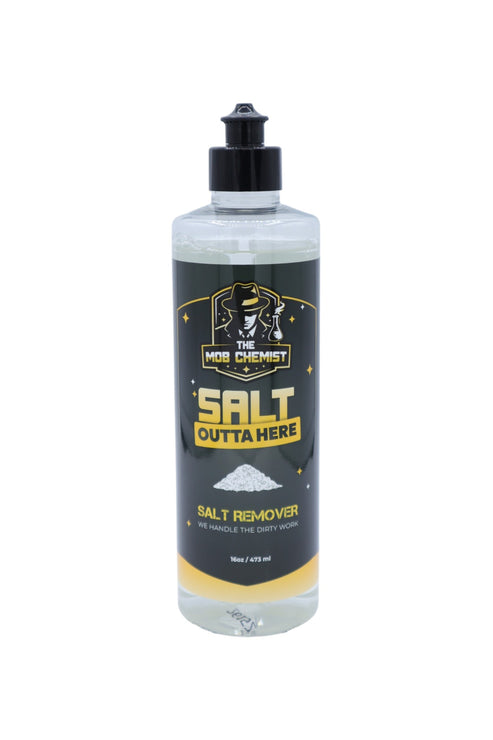
Road salt is commonly used during winter to improve road safety, but it can leave stubborn deposits on a vehicle's paint, wheels, undercarriage, and other exterior surfaces. If these deposits are not removed properly, they can contribute to corrosion, paint deterioration, and damage to exposed metal components. Effective salt removal is an important part of regular vehicle maintenance, especially for drivers who frequently travel on salted roads. However, using the wrong cleaning products or techniques can create additional problems. Understanding common mistakes and choosing the right road salt remover can help protect your vehicle's appearance and condition.
Why Proper Salt Removal Matters
Salt can accumulate around wheel wells, door edges, lower body panels, and the undercarriage. When moisture combines with road salt, it can accelerate corrosion on susceptible metal surfaces. Salt deposits can also remain in difficult-to-reach areas long after a vehicle looks clean.
Regular cleaning helps reduce this buildup and makes it easier to maintain your vehicle throughout winter. Using a suitable salt remover car product and an appropriate washing method can help loosen deposits without unnecessarily affecting paint or exterior finishes. Consistent care is particularly important after driving through slush, wet roads, or areas treated with deicing materials.
Mistake 1: Using Household Cleaners Instead of Automotive Products
One common mistake is using household detergents or harsh cleaning chemicals to remove road salt. These products may not be formulated for automotive paint, protective coatings, rubber, or plastic trim. Some can strip protective wax or leave residues that affect the vehicle's finish.
Instead, choose an automotive cleaning product designed for the surface and type of contamination you need to address. A dedicated road salt remover can simplify winter cleaning when used as directed. Always check product compatibility and test it on an inconspicuous area if you are unsure how the finish will react.
Choosing the Right Cleaning Product
A suitable product should be compatible with your vehicle's paint and exterior materials. Follow the recommended dilution, application time, and rinsing instructions. Avoid mixing cleaning chemicals, as doing so can create hazardous reactions or damage vehicle surfaces.
Mistake 2: Scrubbing Salt Deposits Too Aggressively
When salt leaves visible white marks on paint or trim, it may be tempting to scrub the surface with a rough sponge or stiff brush. This approach can cause scratches, swirl marks, and other surface damage, especially when dirt and grit get trapped beneath the cleaning tool.
For safer salt removal, begin by rinsing loose dirt and salt from the vehicle. Apply an appropriate automotive cleaner and use a clean, soft wash mitt when you need to clean by hand. Avoid excessive pressure, and rinse the mitt frequently to prevent abrasive particles from being dragged across the paint.
Mistake 3: Ignoring the Undercarriage and Wheel Wells
Many drivers focus on visible body panels while overlooking the undercarriage, suspension areas, and wheel wells. These locations can collect significant amounts of road salt, slush, and dirt. Leaving deposits in these areas can increase the risk of corrosion on susceptible components over time.
A thorough car wash for salt removal should include careful rinsing of the undercarriage and wheel wells when practical. Use suitable equipment and follow the vehicle manufacturer's guidance, especially around electrical connections and sensitive components. Removing accumulated salt from hard-to-reach areas is an important step in maintaining your vehicle during winter.
Mistake 4: Washing the Vehicle Incorrectly
Washing a vehicle in direct sunlight or allowing cleaning products to dry on the paint can leave streaks, water spots, or chemical residue. Using dirty buckets, contaminated wash mitts, or abrasive towels can also damage the exterior during cleaning.
For better results, wash your vehicle in a shaded area when possible. Work in manageable sections, use clean washing tools, and rinse thoroughly before the product dries. A proper car wash for salt removal should clean the vehicle without leaving residues that affect its finish. Drying with a clean microfiber towel can help reduce water spots.
Mistake 5: Choosing the Wrong Salt Removal Method
Not every cleaner suits every surface. A product designed for wheels may not suit painted body panels, delicate trim, or other finishes. Using a cleaner outside its intended purpose can cause discoloration or affect protective coatings.
Before applying a salt-remover car product, read the label and confirm it is suitable for the surface you want to clean. Follow all safety precautions and rinse as directed. If you are unsure about a specialized coating or material, consult the vehicle manufacturer or a professional detailer before proceeding.
Share:
More in Business
View categoryTop 192 Sites to Buy Facebook Accounts and Manage Safely in 2027
Buying Facebook accounts in 2026? Learn what aged, PVA, and Marketplace-ready really mean, how to verify providers, and how to protect your purchase. 🎯🚀✅👌👌Contact with Socialsmms team👌👌🔐 🚀Whats//App= +447456002690 🚀Tele//gram = socialsmms 🚀Tele//gram = socialsmmsofficial 🚀Email = socialsmms10@gmail.com Introduction The market for buying Facebook accounts is larger and more dangerous than most buyers realize. Security researchers document that many "aged" profiles sold online are compromised accounts—real people's profiles taken over and resold without the original owner's knowledge . Meta's Terms of Service explicitly prohibit transferring personal profiles to another person, and the platform can restrict or disable any account at any time . The demand, however, is real. Advertisers need Business Manager accounts with spend history. Agencies need profiles that can run Marketplace operations without immediate checkpoints. Dropshippers need aged accounts that survive the first week of activity. The difference between a productive asset and a burned budget comes down to which provider you choose and what protections they actually enforce. This guide explains what the different account tiers mean, how to evaluate a provider before paying, and what the post-purchase work looks like if you want the account to survive. It also explains how Social Smms handles the handover process and what you should confirm before committing.
Jebel Ali Hills G+4 Building Plot: Explore Development Opportunities in Dubai
Explore available land opportunities with Touchwood Real Estate and take a considered approach towards your next property investment in Dubai.