Share:
Clothes Shopping Tips for Building an Easy Everyday Wardrobe
BusinessClothes shopping made simple with stylish outfits, seasonal trends, everyday essentials, and great-value fashion picks for men and women. Shop with ease.

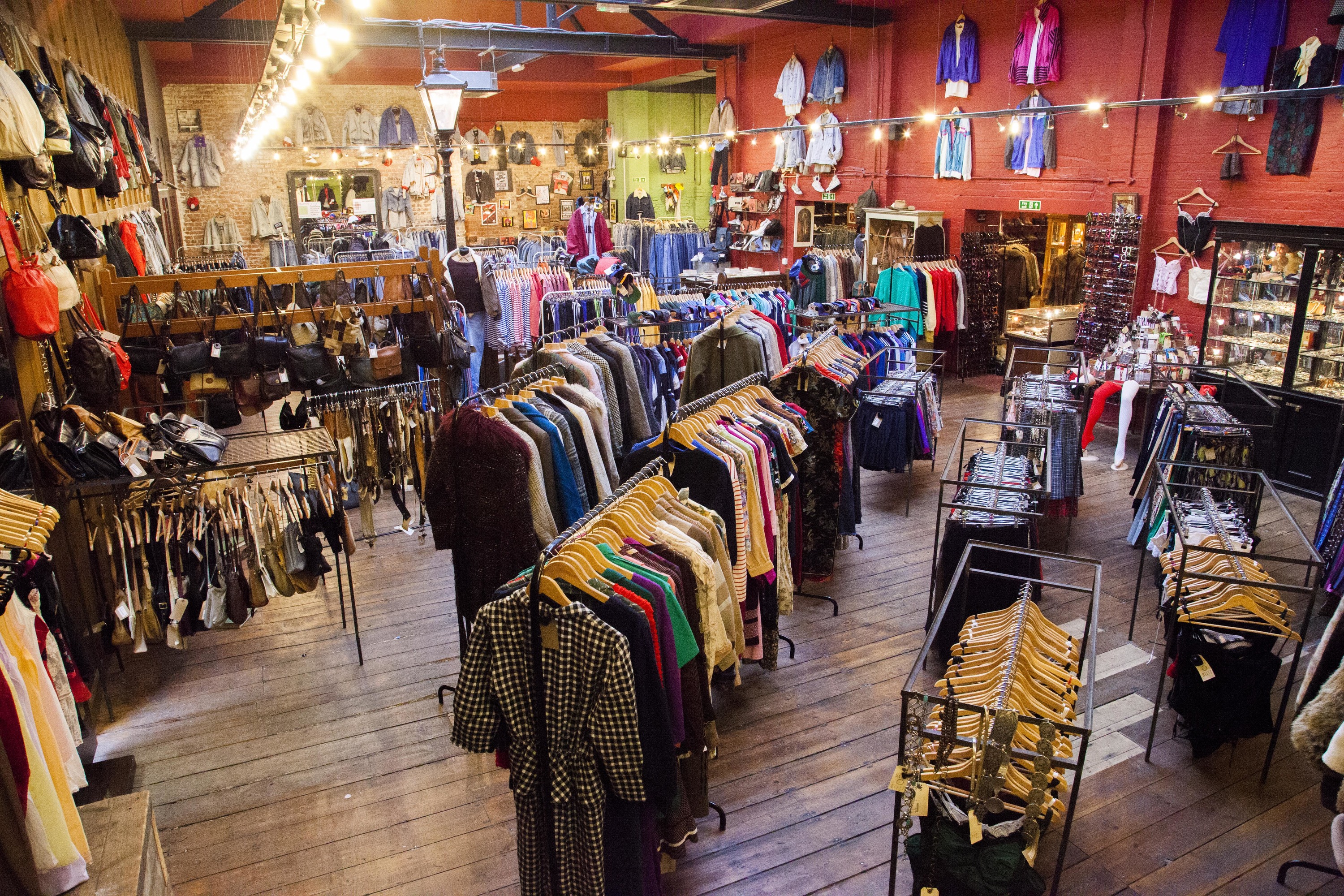
Clothes shopping can become frustrating when your wardrobe is full but getting dressed still takes too much thought. Often, the problem isn't a lack of clothes. It's having too many individual pieces that don't work well together.
A practical everyday wardrobe should suit your routine, the British weather and the way you prefer to dress. You don't need dozens of new items or every current trend. A smaller selection of comfortable, versatile clothes can often give you more useful outfit combinations.
Whether you visit UK clothes shops or look for cheap clothes online, it helps to know what your wardrobe actually needs before you start shopping. This can reduce impulse purchases and make it easier to choose clothes you'll genuinely wear.
Start With What You Already Wear
Before going clothes shopping, spend a little time looking through your current wardrobe. Pay particular attention to what you've worn during the last few weeks rather than the pieces you keep saving for another occasion.
You may notice a pattern. Perhaps you regularly choose straight-leg jeans, soft jumpers and trainers. Maybe loose dresses are your usual choice because they're comfortable and don't require much outfit planning. These habits give you a useful starting point.
Think about your weekly routine as well. Someone who works from home and spends weekends running errands will probably need a different wardrobe from someone who regularly attends formal meetings or evening events.
Your everyday clothes should reflect the life you're actually living.
For a casual day, straight-leg jeans can work with a cotton T-shirt, cardigan and trainers. In cooler weather, add a lightweight coat or warm jacket.
For work or appointments, wide-leg trousers with a simple top and cardigan can feel comfortable while still looking put together. If you prefer ladies clothes with a softer shape, a midi dress with a cardigan or relaxed jacket can be an easy alternative.
For an evening meal or casual night out, you don't necessarily need a completely different outfit. Changing trainers for boots, adding a smarter jacket or choosing a more structured top can make familiar clothes feel more suitable for the occasion.
Use the Three-Outfit Check Before Buying
One practical way to judge a new item is to think of three outfits you could make with it using clothes you already own.
Suppose you're considering a new pair of trousers. Could you wear them with your usual T-shirt? Would they work with your favourite jumper? Could you add your everyday jacket?
If you can only imagine wearing the item with something else you also need to buy, it may not fill a genuine gap in your wardrobe.
Colour can make this easier too. You don't have to build an entirely neutral wardrobe, but keeping a few colours that naturally work together gives you more combinations.
Black, navy, grey, cream, brown and denim are common starting points because they're fairly easy to pair. Brighter colours and prints can then be added according to your own taste.
There's no requirement to follow a strict colour palette. The useful question is simply whether your new purchase works with enough of what you already own.
Choose Clothes for Comfort, Fabric and British Weather
How clothing feels during a normal day matters just as much as how it looks.
This is where clothes shopping can become difficult. A dress might look good when you're standing still in front of a mirror but become uncomfortable after an hour of walking. Trousers might fit while standing but feel restrictive when you sit down.
When trying something on, move around properly.
Sit down. Walk for a moment. Raise your arms if you're trying a jacket, jumper or shirt. Check whether waistbands dig in or sleeves restrict movement. If you're already adjusting an item after a few minutes, consider whether you'll really want to wear it for several hours.
Fabric deserves attention as well.
Cotton can be useful for everyday tops and casual clothing because it's generally breathable and comfortable. Linen is another option for warmer weather, although it creases easily, which is worth considering if that bothers you.
During colder months, wool and wool-blend knits can provide warmth, while knitted layers and heavier fabrics can be useful when temperatures drop. If you find wool irritating against your skin, wearing it over a softer base layer may feel more comfortable.
Fabric composition can also affect how much care clothing needs. Before buying, check the care label. If something requires special washing or frequent ironing and you know you won't realistically do that, it may not become an everyday favourite.
Layering is particularly useful for changeable UK weather. A breathable base layer, jumper or cardigan and suitable outer layer give you the option to remove or add clothing as temperatures change.
This matters when clothes shopping London, too. A typical day might involve walking outside, using public transport and spending time in heated shops, restaurants or offices. An outfit that can be adjusted throughout the day is often more practical than one heavy layer.
Think About Fit Without Getting Stuck on Body-Shape Rules
Body-shape advice can provide ideas, but it shouldn't be treated as a fixed set of fashion rules. Bodies vary considerably, and two people with similar proportions may feel comfortable in completely different clothes.
Instead, think about the proportions you personally enjoy.
If you like defining your waist, you might prefer high-waisted trousers with a tucked-in shirt or fitted knit. If you prefer a looser fit around your middle, straight-cut tops, relaxed shirts or gently draped fabrics may feel better.
If your shoulders are broader than your hips, you may like the balance created by straight or wider trousers. If your hips are wider, you might prefer a little more structure or detail on your upper half.
Height can affect how proportions feel as well. Petite shoppers may prefer shorter jackets or trousers that don't gather heavily around the ankle, while taller shoppers may feel more comfortable in longer cuts.
None of these suggestions are requirements.
Fit also varies between manufacturers, styles and fabrics, so don't become too attached to the number printed on the label. A size that fits comfortably is more useful than choosing a particular number and ending up with something restrictive.
Shop for Useful Outfits, Not Random Bargains
Finding cheap clothes online can make it tempting to buy something simply because the price looks good. A bargain, however, isn't particularly useful if the item stays in your wardrobe unworn.
Before buying, consider the practical details. Where will you wear it? What will you wear with it? Is the fabric suitable for the season? Can you move comfortably? Does it require more care than you're willing to give it?
It's also worth checking sizing information carefully when shopping online. Measurements are usually more helpful than assuming your usual size will fit exactly the same everywhere.
For trousers, check the waist, hip and inside-leg measurements where available. For dresses and tops, bust measurements and garment length can be particularly useful. Reading the fabric composition can also tell you whether a garment contains stretch.
Return policies matter as well. Online photographs can't tell you exactly how a fabric will feel or how a particular cut will sit on your body, so knowing the return conditions before ordering can save hassle later.
Build Around the Gaps in Your Wardrobe
Instead of asking, "What should I buy?", ask, "What's missing from the outfits I already wear?"
Perhaps you own plenty of tops but only one comfortable pair of trousers. Maybe you have several dresses but nothing practical to layer over them. You might have lots of casual pieces but struggle whenever an occasion calls for something slightly smarter.
Once you identify the problem, clothes shopping becomes more focused.
A useful everyday wardrobe might contain a few comfortable bottoms, several tops, seasonal layers, suitable outerwear and footwear that works with multiple outfits. Dresses and skirts can be included according to how often you actually wear them.
From those pieces, simple combinations are usually enough.
Straight-leg jeans with a T-shirt, cardigan and trainers can cover an ordinary casual day. Wide-leg trousers with a fitted top and lightweight jacket can work for lunch or an informal evening. A midi dress with a cardigan and ankle boots is useful when it's cooler.
You don't need to follow a fixed capsule wardrobe formula. The number and type of clothes you need depend on your lifestyle, laundry routine, work and personal preferences.
It's also worth being careful with clothes bought for an imagined future version of yourself. Trying a different style can be enjoyable, but an item that's dramatically different from everything you normally wear can be difficult to incorporate into everyday outfits.
A gentler approach is to change one thing at a time. If you normally wear jeans and plain tops, you could try a different trouser shape while keeping the rest of your outfit familiar. If you usually wear neutral colours, add one colour you genuinely enjoy rather than replacing your whole wardrobe.
What Actually Works
Building an everyday wardrobe isn't about owning the largest possible selection of clothes. It's about having enough reliable combinations for the situations you regularly face.
Start with what you already wear and identify genuine gaps. Check fit while moving rather than only looking in the mirror. Pay attention to fabric, washing instructions and seasonal practicality. Most importantly, think about complete outfits before buying individual pieces.
Fashion advice can give you useful ideas, but personal comfort should have the final say. Body-shape guidelines, trends and styling rules aren't equally useful for everyone.
A wardrobe becomes much easier to manage when most pieces have a clear purpose and work with several other items you own.
Good clothes shopping is less about buying more and more about choosing carefully. When your clothes suit your routine, feel comfortable and combine easily, getting dressed on an ordinary morning becomes much simpler.
Share:
More in Business
View categoryHow Structural Steel Detailing Services Lock In Fabrication Accuracy
Learn how Structural Steel Detailing Services and Structural Steel Connection Design Services combine to deliver fabrication precision, coordinated BIM, accurate BOM and BOQ, and lower project risk. GridsGlobal Steel Detailing LLC provides complete engineering solutions.
READ ARTICLEWhy Pearl Snap Shirts Are Back in Style for Men
Discover why classic pearl snap shirts are trending in men's fashion. Explore Western heritage, modern styling tips, and top buying advice.