
Share:

Clothes Shopping Tips for Building an Easy Everyday Wardrobe
Clothes shopping made simple with stylish outfits, seasonal trends, everyday essentials, and great-value fashion picks for men and women. Shop with ease.
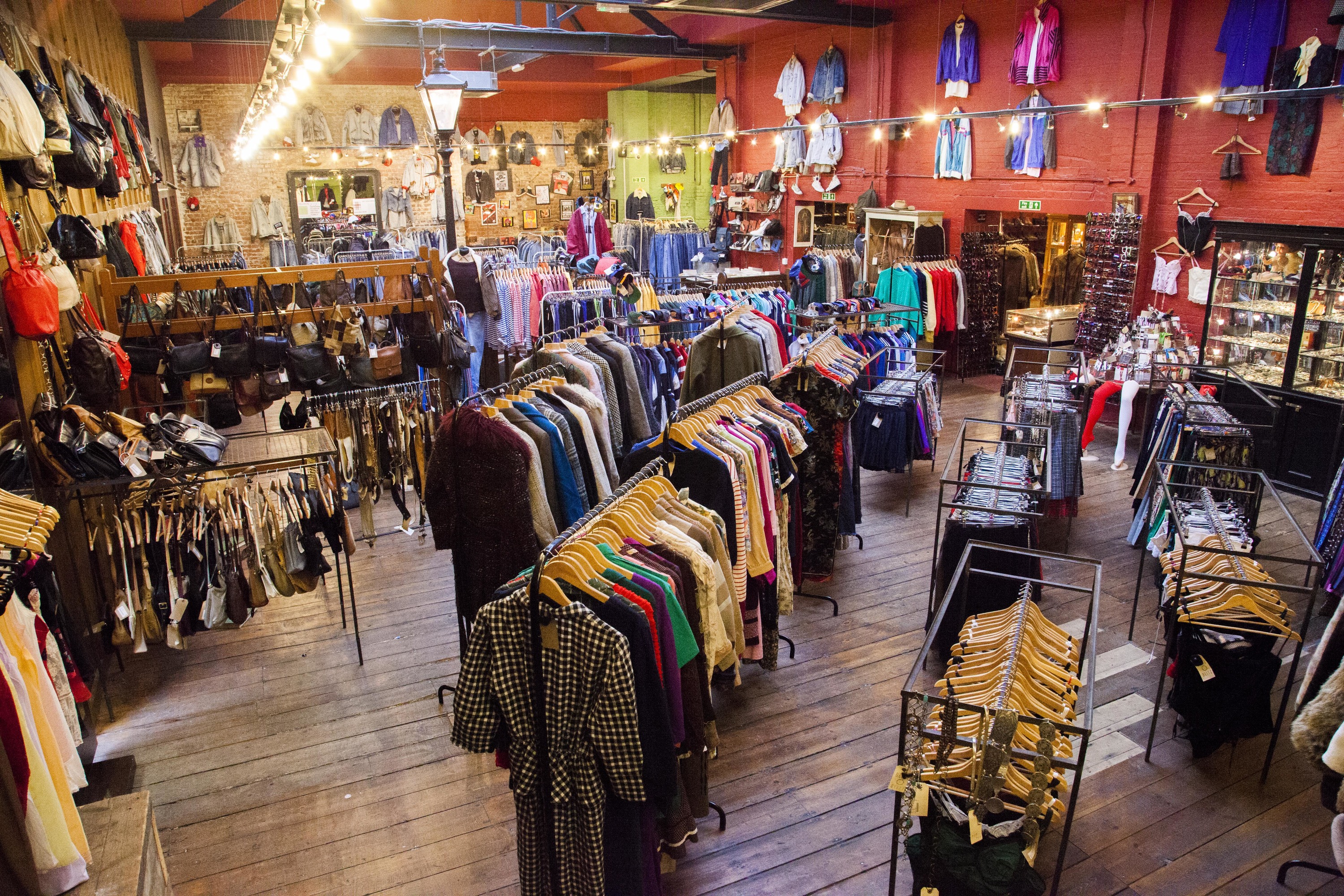
Clothes shopping can become frustrating when your wardrobe is full but getting dressed still takes too much thought. Often, the problem isn't a lack of clothes. It's having too many individual pieces that don't work well together.
A practical everyday wardrobe should suit your routine, the British weather and the way you prefer to dress. You don't need dozens of new items or every current trend. A smaller selection of comfortable, versatile clothes can often give you more useful outfit combinations.
Whether you visit UK clothes shops or look for cheap clothes online, it helps to know what your wardrobe actually needs before you start shopping. This can reduce impulse purchases and make it easier to choose clothes you'll genuinely wear.
Start With What You Already Wear
Before going clothes shopping, spend a little time looking through your current wardrobe. Pay particular attention to what you've worn during the last few weeks rather than the pieces you keep saving for another occasion.
You may notice a pattern. Perhaps you regularly choose straight-leg jeans, soft jumpers and trainers. Maybe loose dresses are your usual choice because they're comfortable and don't require much outfit planning. These habits give you a useful starting point.
Think about your weekly routine as well. Someone who works from home and spends weekends running errands will probably need a different wardrobe from someone who regularly attends formal meetings or evening events.
Your everyday clothes should reflect the life you're actually living.
For a casual day, straight-leg jeans can work with a cotton T-shirt, cardigan and trainers. In cooler weather, add a lightweight coat or warm jacket.
For work or appointments, wide-leg trousers with a simple top and cardigan can feel comfortable while still looking put together. If you prefer ladies clothes with a softer shape, a midi dress with a cardigan or relaxed jacket can be an easy alternative.
For an evening meal or casual night out, you don't necessarily need a completely different outfit. Changing trainers for boots, adding a smarter jacket or choosing a more structured top can make familiar clothes feel more suitable for the occasion.
Use the Three-Outfit Check Before Buying
One practical way to judge a new item is to think of three outfits you could make with it using clothes you already own.
Suppose you're considering a new pair of trousers. Could you wear them with your usual T-shirt? Would they work with your favourite jumper? Could you add your everyday jacket?
If you can only imagine wearing the item with something else you also need to buy, it may not fill a genuine gap in your wardrobe.
Colour can make this easier too. You don't have to build an entirely neutral wardrobe, but keeping a few colours that naturally work together gives you more combinations.
Black, navy, grey, cream, brown and denim are common starting points because they're fairly easy to pair. Brighter colours and prints can then be added according to your own taste.
There's no requirement to follow a strict colour palette. The useful question is simply whether your new purchase works with enough of what you already own.
Choose Clothes for Comfort, Fabric and British Weather
How clothing feels during a normal day matters just as much as how it looks.
This is where clothes shopping can become difficult. A dress might look good when you're standing still in front of a mirror but become uncomfortable after an hour of walking. Trousers might fit while standing but feel restrictive when you sit down.
When trying something on, move around properly.
Sit down. Walk for a moment. Raise your arms if you're trying a jacket, jumper or shirt. Check whether waistbands dig in or sleeves restrict movement. If you're already adjusting an item after a few minutes, consider whether you'll really want to wear it for several hours.
Share:
More in Business
View categoryGreenfields Gardens – A Premier Wedding Venue in Lucknow
Discover Greenfields Gardens in Rajajipuram, Lucknow, for weddings, receptions, engagement ceremonies and special family celebrations.
READ ARTICLEIoT Chipset Market Outlook: Size, Share, Trends, Growth Analysis by 2026-2033
The IoT Chipset Market size was valued at US$ 720.17 Billion in 2025 and is projected to reach US$ 2025.6 Billion by 2033, growing at a CAGR of 13.80% during 2026–2033
READ ARTICLESustainable Materials Market Outlook: Growth Analysis, Competitive Landscape & Forecast, 2026-2033
The Sustainable Materials Market size was valued at US$ 494.4 Billion in 2025 and is projected to reach US$ 1122.81 Billion by 2033, growing at a CAGR of 10.80% during 2026–2033
READ ARTICLE