
Globhy
JMJWA Mats1 hour ago

Bog Mats Explained: What They Are, How They Work, and Why You Need Them

Technology

Learn what are bog mats, how they work to protect ground surfaces, and why your project needs them. Learn about 4wd bog mats, hire, and sales options.
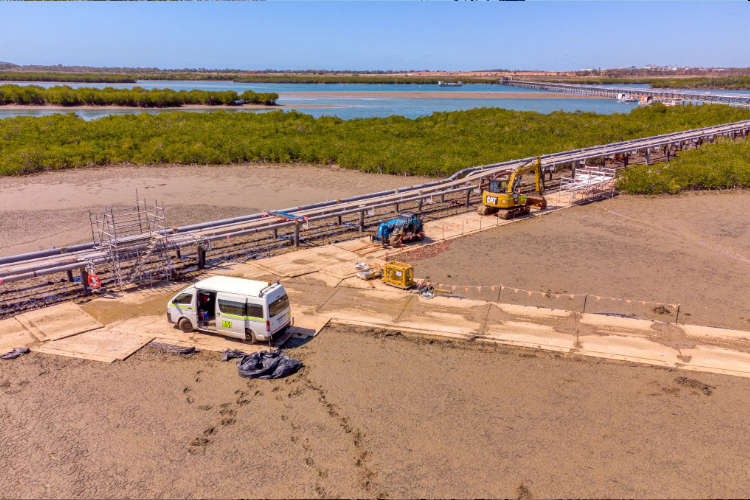
Bog Mats Explained: What They Are, How They Work, and Why You Need Them


If you work on construction sites, organise outdoor events, or manage land access on soft or waterlogged ground, you have probably come across the term bog mats. But what exactly are they, and why do so many industries rely on them? This guide breaks it all down in plain English.

Whether you are buying new, looking at used bog mats for sale, or simply trying to understand your options, this article covers everything you need to know.

What Are Bog Mats?

Bog mats are large, flat panels placed on the ground to create a stable, load-bearing surface. They are designed to spread the weight of heavy machinery, vehicles, or foot traffic across a wider area — so that equipment does not sink into soft, wet, or unstable ground.

The name comes from their original use on boggy or marshy terrain, but today you will find them on construction sites, pipeline projects, wind farms, forestry operations, festivals, and anywhere the ground cannot support heavy loads on its own.

Traditional bog mats were made from hardwood timber — oak, beech, or similar. But in recent years, composite construction mats have become increasingly popular due to their durability, lighter weight, and resistance to rot and splitting.

How Do Bog Mats Work?

The science behind bog mats is straightforward. When a heavy crane, excavator, or loaded vehicle sits on soft ground, all that weight concentrates on a small footprint. This causes the ground to compress, shift, or collapse.

A bog mat acts like a bridge between the machine and the ground. It distributes the load over a much larger surface area, reducing the ground pressure to a level the soil can handle.

Here is a simple way to think about it: imagine wearing stilettos versus flat shoes on a muddy lawn. The stiletto concentrates all your weight onto a tiny point and sinks straight in. Flat shoes spread the weight out and you stay on top. Bog mats work on the same principle — but for machinery weighing tens of tonnes.

When laid in a series, they also create a temporary access road or working platform, allowing vehicles and equipment to move safely across ground that would otherwise be impassable.

What Are Bog Mats Made From?

There are three main types of bog mats on the market:

1. Timber Bog Mats

The original and still widely used. Hardwood timber mats are robust and have a long track record in the industry. However, they are heavy, can split or splinter, and are susceptible to rot over time — particularly in persistently wet environments.

2. Composite Construction Mats

Made from high-density polyethylene (HDPE) or similar engineered materials, composite construction mats are a modern alternative to timber. They offer several practical advantages:

•        Significantly lighter than timber — easier to handle and transport

•        Will not rot, crack, or absorb moisture

•        Consistent load-bearing capacity throughout their lifespan

•        Do not splinter, reducing on-site safety risks

•        Recyclable at end of life

For many contractors and site managers, composite construction mats have become the go-to choice, particularly for longer projects or sites where ground conditions are severe.

3. Steel Mats

Used in specialist applications where extreme load capacity is needed. They are heavy, expensive, and less common in everyday construction use.

Where Are Bog Mats Used?

Construction bog mats are used across a wide range of industries and environments. Some of the most common applications include:

•        Construction sites — providing stable crane platforms, temporary access roads, and working platforms on soft ground

•        Utility and pipeline projects — protecting buried services and allowing heavy machinery to work on sensitive land

•        Wind farm installations — creating access routes across fields, moorland, and peat bogs

•        Forestry operations — preventing heavy forestry machinery from causing deep ruts or soil damage

•        Events and festivals — protecting grass and turf from vehicles, generators, and large crowds

•        Oil and gas sites — supporting drilling equipment on unstable terrain

•        Emergency services — rapid deployment on flood-affected or soft ground

In short, if there is a job to do on ground that cannot support the weight on its own, construction bog mats are likely the solution. For crane-specific applications, they are often referred to as crane mats or crane platforms.

Do You Need New or Used Bog Mats?

One question that often comes up is whether to buy new or look at used bog mats for sale. The answer depends on your project requirements, budget, and how long you need the mats.

New bog mats offer the peace of mind of a full load-bearing specification and no hidden wear or damage. For critical lifting operations or long-term projects, new mats are usually the safer and more cost-effective choice over time.

Used bog mats can be a practical and economical option for shorter-term projects or lower-risk applications — provided they have been properly inspected and still meet the required load-bearing standards. Always check the condition carefully before purchasing used mats, particularly for crane or lifting operations where ground stability is critical.

How to Choose the Right Bog Mat

Not all bog mats are the same, and choosing the right type makes a real difference on site. Here are the key factors to consider:

•        Load requirements — What is the maximum weight the mat needs to support? Check the specification of the equipment you are using.

•        Ground conditions — Waterlogged clay, peat, sandy soil, and soft fill all behave differently. The softer the ground, the more important the mat's stiffness and area.

•        Site duration — For a short-term project, hire or used mats may suffice. For a long-term site, new composite construction mats often provide a better return on investment.

•        Ease of handling — Composite mats are significantly lighter than timber, which matters when you are moving them frequently across a site.

•        Environmental sensitivity — On Sites of Special Scientific Interest (SSSIs) or near waterways, composite mats are often preferred as they do not leach chemicals into the soil.

Final Thoughts

Bog mats are one of those practical, no-fuss solutions that make difficult jobs possible. Whether you are managing a construction project on waterlogged ground, setting up a crane on soft fill, or running an outdoor event on a grass site, the right mat can be the difference between a smooth operation and a costly delay.

Understanding what bog mats are — and which type suits your project — puts you in a much stronger position when it comes to planning, budgeting, and keeping work on schedule.

If you are looking for high-quality composite construction mats or want expert advice on the right solution for your site, explore the full range of bog mats at JWA Mats — or get in touch to discuss your specific requirements.

Share this article

More in Technology

View category