
Share:

Best Kids Dentist in Chippewa Falls: What to Look For
Find the best kids dentist in Chippewa Falls by comparing pediatric experience, child-friendly care, services, office environment, and parent reviews.
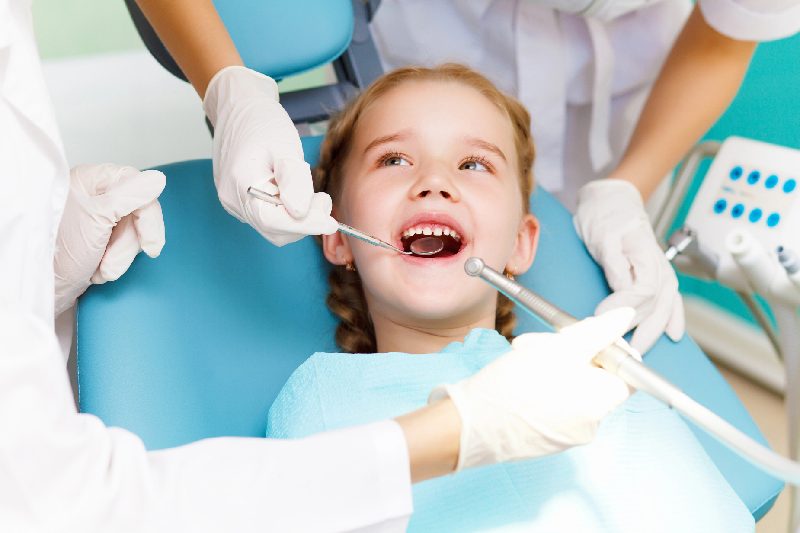
Finding a dental home for your child is one of the most important healthcare decisions you will make during their early years. A positive introduction to oral care sets the stage for a lifetime of healthy habits, strong teeth, and anxiety-free dental visits. When searching for a kids dentist in Chippewa Falls WI, parents often face a sea of options without a clear guide on what truly distinguishes an exceptional practice from an average one.
At Winn Family Dentistry, we believe every child deserves a gentle, supportive, and fun environment where their smile can flourish. Whether you are searching for a pediatric dentist Chippewa Falls families trust or preparing for your child's first dental visit, knowing what qualities and standards to look for will help you make an informed decision for your family.
Why Early Dental Care Matters
Primary teeth, commonly called baby teeth, play a crucial role in your child's overall development. They hold space for permanent teeth, enable proper chewing and speech development, and contribute significantly to self-esteem. Early preventive care stops tooth decay before it begins, catches bite alignment issues early, and teaches children that visiting the dentist is a normal, stress-free part of growing up.
Key Factors to Consider When Choosing a Kids Dentist
1. A Welcoming and Child-Friendly Environment
A child’s perception of the dentist begins the moment they walk through the front door. Traditional clinic settings with stark white walls and clinical smells can induce immediate anxiety in young patients.
Look for a practice designed with children in mind:
- Bright, open reception areas with books, toys, or interactive games
- Modern, well-lit treatment rooms equipped with child-sized equipment
- Overhead monitors displaying kid-friendly shows during treatment
- Staff who greet children by name with warm, reassuring smiles
When children feel relaxed in their physical environment, they are far more receptive to treatment and preventive education.
2. A Gentle, Patient-Centered Philosophy
Children require a different approach than adult patients. A skilled team understands child psychology, developmental stages, and sensory needs. Look for a practice that uses positive reinforcement, clear communication, and non-threatening terminology.
For example, experienced teams explain procedures using simple terms like "counting your teeth" or "shining a special light" rather than technical clinical language. This approach removes the mystery and fear surrounding dental instruments.
3. Comprehensive Preventive and Restorative Care
Your child’s dental needs will evolve as they grow from toddlers to teenagers. Choosing a comprehensive family dental practice ensures continuity of care without the need to switch providers as your child ages.
Essential services to look for include:
- Routine cleanings, oral examinations, and digital X-rays
- Dental sealants to protect vulnerable molars from cavities
- Fluoride treatments to strengthen enamel against decay
- Custom mouthguards for youth sports and athletic protection
- Tooth-colored fillings and restorative treatments when needed
- Emergency dental services for sudden toothaches or sports injuries
4. Patient and Gentle First-Visit Protocols
The initial appointment shapes how your child views dental care for years to come. A reputable practice will never rush a young patient through their first examination. Instead, they will focus on building trust, establishing comfort, and answering all parent questions.
During a successful initial visit, the dental team should focus on gentle exploration, introducing instruments slowly, and praising the child for cooperation.
Preparing Your Child for Their First Dental Appointment
Preparing your child at home before their appointment makes a world of difference in their confidence and comfort level.
Here are practical steps parents can take:
Share:
More in Health
View categoryAbhyanga Treatment in Dubai: Benefits, Procedure and Traditional Ayurvedic Oil Massage
Discover Abhyanga treatment in Dubai at Prakriti Ayurveda. Learn about traditional Ayurvedic oil massage, its benefits, procedure and treatment approach.
READ ARTICLECan Uterine Fibroids Increase the Risk of Miscarriage?
The answer depends on several factors, including the size, number, and location of the fibroids. Some fibroids may interfere with embryo implantation, restrict the space available for a growing baby, or affect the uterine environment. Understanding the connection between fibroids and miscarriage can help you make informed decisions about your reproductive health and explore appropriate treatment options before or during pregnancy. How Do Fibroids Affect Pregnancy? Not all uterine fibroids affect pregnancy in the same way. Their location plays an important role in determining potential complications. - Submucosal fibroids: These develop inside the uterine cavity and may interfere with embryo implantation, increasing the risk of pregnancy complications. - Intramural fibroids: These grow within the muscular wall of the uterus. Larger fibroids that distort the uterine cavity may affect pregnancy development. - Subserosal fibroids: These grow on the outer surface of the uterus and are generally less likely to interfere with pregnancy. Fibroids that are large, multiple, or positioned near the uterine cavity may create challenges during pregnancy. Can Fibroids Cause Miscarriages? Yes, certain uterine fibroids can increase the risk of miscarriage, particularly when they affect the shape of the uterine cavity. These growths may interfere with the implantation of a fertilized egg or affect the blood supply needed to support early pregnancy. However, having fibroids does not automatically mean you will experience a miscarriage. Many women with uterine fibroids conceive naturally and carry healthy pregnancies to full term. The overall risk depends on individual circumstances, including fibroid location, size, and whether the growths distort the uterine cavity. If you have experienced repeated miscarriages, discussing fibroid evaluation with a healthcare provider can help identify possible contributing factors. Signs That Fibroids May Affect Your Pregnancy Some women experience no noticeable symptoms from uterine fibroids. Others may experience symptoms that require medical attention, including: - Pelvic pressure or persistent lower abdominal discomfort. - Heavy or prolonged menstrual bleeding before pregnancy. - Frequent urination due to pressure on the bladder. - Abdominal swelling or an enlarged uterus. - Pelvic pain during pregnancy. These symptoms do not necessarily indicate a miscarriage. However, severe abdominal pain, heavy bleeding, or unusual vaginal discharge during pregnancy should be evaluated promptly by a healthcare professional. How Are Fibroids Diagnosed During Pregnancy? Healthcare providers commonly use ultrasound examinations to identify uterine fibroids and monitor their size and location. An ultrasound can also help assess the pregnancy and check for potential complications. Your doctor may recommend additional monitoring depending on the number of fibroids, their position, and your pregnancy history. Regular prenatal appointments are important for tracking your baby's development and addressing any concerns early. Can Treating Fibroids Reduce the Risk of Miscarriage? Treatment depends on your symptoms, reproductive goals, and the characteristics of your fibroids. In some cases, doctors may recommend treating fibroids before pregnancy, particularly when they distort the uterine cavity or contribute to reproductive complications. Uterine Fibroid Embolization (UFE) is a minimally invasive treatment that reduces blood flow to fibroids, causing them to shrink over time. However, UFE is generally not recommended for women planning future pregnancies because its effects on fertility and pregnancy outcomes remain uncertain. Other treatment approaches may be more appropriate depending on individual circumstances. Protect Your Reproductive Health Understanding the relationship between fibroids and miscarriage can help you take informed steps toward a healthy pregnancy. Although certain fibroids may increase miscarriage risk, many women with these growths have successful pregnancies. If you have fibroids and are planning to conceive, consult a fibroid specialist to understand your treatment options. USA Fibroid Centers provides information about uterine fibroid conditions and minimally invasive treatment options to help women make informed decisions about their reproductive health.
READ ARTICLECarcinoid Syndrome Diarrhea Treatment Market Outlook: North America Leads the Global Market
Carcinoid syndrome diarrhea treatment refers to medical therapies used to manage frequent, persistent diarrhea caused by hormone-secreting neuroendocrine tumors.