
Share:

Benefits of Using Tractor Engine Oil 20W40 in Indian Farming Conditions
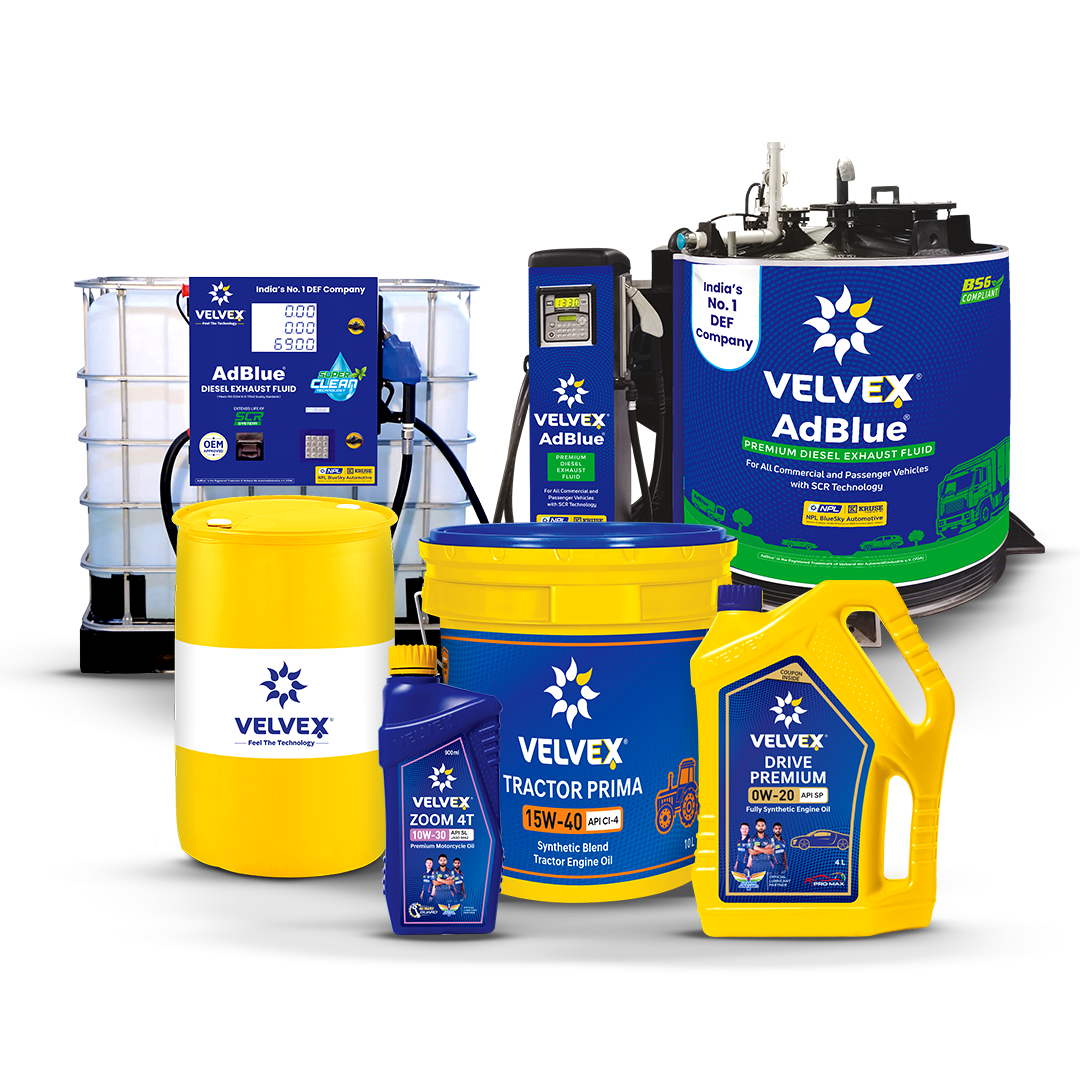
Tractors are the backbone of Indian agriculture. From preparing fields and sowing crops to transporting harvests, they work long hours in challenging conditions. Dust, heavy loads, uneven terrain, and extreme weather can all affect engine performance. That's why choosing the right engine oil is just as important as regular maintenance. Tractor engine oil 20W40 is a trusted choice for farmers across India because it provides reliable lubrication, protects critical engine components, and supports consistent performance throughout the farming season. With the right engine oil, farmers can reduce downtime, improve productivity, and extend the life of their tractors.
Why Tractor Engine Oil 20W40 Is Perfect for Indian Farming Conditions
Indian farms experience a wide range of weather conditions, from intense summer heat to cooler winter mornings. Tractor engines also face heavy workloads during ploughing, harvesting, irrigation, and transportation. These demanding conditions require an engine oil that performs consistently throughout the year.
Tractor engine oil 20W40 offers balanced viscosity that helps the oil circulate quickly during cold starts while maintaining a strong protective layer when the engine reaches high operating temperatures. This consistent lubrication helps reduce friction and keeps the engine running smoothly, even during long working hours.
For farmers who depend on their tractors every day, using the right engine oil means fewer interruptions and better performance when it matters most.
Protects the Engine from Dust and Contaminants
Indian farms often expose tractors to dusty roads, dry fields, and muddy conditions. Over time, dirt and contaminants can affect engine performance if they are not properly managed. A quality engine oil helps suspend harmful particles until the next oil change, keeping internal engine components cleaner. This reduces the risk of sludge formation and helps the engine perform reliably even in challenging agricultural environments.
Agricultural Tractor Engine Oil Helps Keep the Engine Cleaner
Engine cleanliness plays an important role in maintaining consistent performance. Over time, combustion produces carbon deposits and contaminants that can reduce engine efficiency if they are not properly controlled.
A quality agricultural tractor engine oil contains advanced detergent and dispersant additives that help keep dirt, soot, and harmful deposits suspended until the oil is changed. As a result, engine components remain cleaner, allowing them to function more efficiently.
A cleaner engine generally offers:
- Better combustion efficiency
- Smoother engine operation
- Reduced wear on internal parts
- Improved overall reliability
- Longer service life
For Indian farmers, cleaner engines also mean less time spent on repairs and more time working in the field.
Tractor Engine Oil 20W40 Helps Extend Engine Life
Replacing major engine components can be expensive. Fortunately, regular lubrication with tractor engine oil 20W40 helps protect some of the most important parts inside the engine.
The oil forms a durable lubricating layer that reduces friction between pistons, bearings, valves, and other moving components. It also helps transfer heat away from critical engine parts, preventing excessive temperatures that could shorten engine life.
Over time, this protection contributes to:
- Lower engine wear
- Better operational efficiency
- Reduced maintenance costs
- Longer engine life
- More dependable tractor performance
For farmers who use their tractors throughout the year, these benefits can make a noticeable difference in operating costs.
Tips for Choosing the Right Engine Oil for Your Tractor
Not every engine oil delivers the same level of protection. Before selecting a lubricant, farmers should consider both their tractor manufacturer's recommendations and the conditions in which the tractor operates.
Share:
More in Business
View categoryBuy Aged and Verified LinkedIn Accounts for Professional Use
➤WhatsApp:+1 (740) 459-5764 ➤Telegram: @onsmmit
READ ARTICLEGlobal Actuators Market: Innovation in Smart Actuators and Energy-Efficient Technologies
They are widely used across manufacturing, automotive, construction, energy, mining, healthcare, aerospace, and defense.
READ ARTICLEHow Retractable Banners Help Orlando Businesses Make a Lasting Impression
Discover how retractable banners Orlando businesses use can improve brand visibility, enhance trade show displays, promote events, and attract customers.
READ ARTICLESplitting Costs Fairly: A Practical Guide to Pavilion Exhibition Budgeting
Joining a pavilion at a trade show? Learn how shared costs are split, what to ask before you commit, and how to avoid hidden charges.
READ ARTICLE