
Globhy
AllBusinessHealthMarketingTechnologyTravelUncategorized
MPMedia Post 341 hour ago2 views

Share:

Art Tattoo Studio: How to Choose the Right Place for Meaningful Body Art

Business

. An art tattoo studio combines artistic creativity with technical tattooing skills to transform ideas into carefully planned body art.
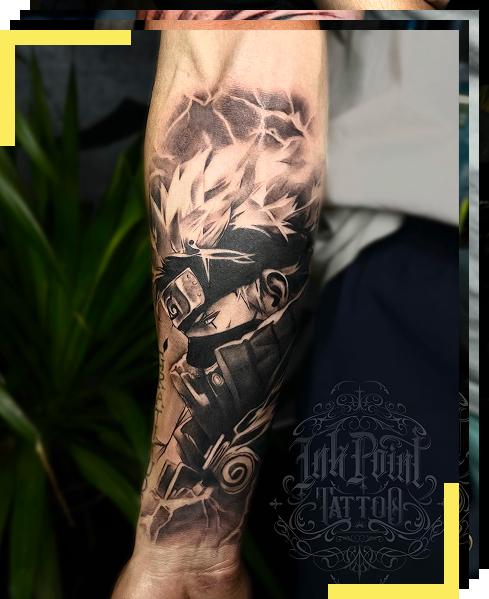
Art Tattoo Studio: How to Choose the Right Place for Meaningful Body Art

A tattoo is more than an image placed on the skin. For many people, it represents a personal experience, a memorable moment, an important relationship, or simply an appreciation for art. Because tattoos are permanent, choosing the right artist and studio is an important part of the process. An art tattoo studio combines artistic creativity with technical tattooing skills to transform ideas into carefully planned body art.

Whether you are considering your first tattoo or adding another piece to an existing collection, understanding what makes a professional studio different can help you make a confident decision. From design consultation and artistic style to hygiene, equipment, placement, and aftercare, several factors contribute to a successful tattoo experience.

What Is an Art Tattoo Studio?

An art tattoo studio is a professional environment where tattooing is approached as both a craft and an art form. Rather than simply reproducing images, skilled tattoo artists consider composition, proportions, line quality, shading, color, skin type, and body placement when developing a design.

A professional studio typically works with clients to understand their ideas before creating or adapting artwork. This process can be particularly valuable when someone wants a custom tattoo instead of choosing a design directly from a catalogue.

The artistic approach also allows tattooists to work across different styles. Depending on their expertise, artists may create realistic portraits, geometric compositions, traditional designs, minimalist tattoos, Japanese-inspired artwork, mandalas, or other forms of custom body art.

Why Artistic Skill Matters in Tattooing

Tattooing requires more than the ability to operate a tattoo machine. The artist must understand how visual elements behave on a three-dimensional surface and how tattoo ink interacts with skin.

Composition and Proportion

A good design should complement the area where it will be tattooed. A design that looks balanced on paper may need adjustments when placed on an arm, shoulder, back, chest, leg, or another part of the body.

Experienced artists consider the body's natural curves and movement when planning the artwork. This helps the tattoo look intentional rather than appearing like an isolated image placed on the skin.

Linework and Detail

Line quality is one of the foundations of tattooing. Clean, controlled lines can help define shapes and preserve the clarity of a design over time.

Detailed tattoos require particularly careful planning because excessive detail in a small design can become difficult to read. An experienced tattoo artist can recommend an appropriate size based on the complexity of the artwork.

Shading and Contrast

Shading gives tattoos depth and dimension. Realistic and illustrative designs often rely heavily on gradients, highlights, shadows, and contrast.

Artists need to understand how different levels of contrast affect the visual impact of a tattoo. Properly planned shading can help important elements stand out while maintaining harmony throughout the design.

Custom Tattoo Design vs. Pre-Made Artwork

One of the major advantages of visiting an art tattoo studio is the opportunity to create a design specifically for you.

Pre-made designs can be useful when someone wants a simple, recognizable image. However, custom artwork allows the client and artist to develop something that reflects personal preferences, symbolism, and placement.

A custom design may incorporate:

  • Personal symbols or meaningful objects
  • Names, dates, or lettering
  • Cultural or traditional elements
  • Nature-inspired imagery
  • Geometric patterns
  • Portraits
  • Abstract concepts
  • Minimalist illustrations
  • Existing tattoos that need to be incorporated

Customization does not necessarily mean creating an extremely complicated tattoo. A small, simple design can also be highly personal when it has been thoughtfully developed.

Choosing a Tattoo Style

Every tattoo style has its own visual characteristics and technical requirements. Understanding the differences can make it easier to communicate your preferences with an artist.

Realistic Tattoos

Realistic tattoos aim to reproduce subjects with detailed textures, shadows, proportions, and dimensional effects. Portraits, animals, flowers, and objects are common subjects.

This style requires strong knowledge of shading, anatomy, contrast, and fine details.

Traditional Tattoos

Traditional tattooing is recognized for bold outlines, strong compositions, and distinctive imagery. Its visual language has remained influential throughout tattoo history.

Traditional-inspired work can be adapted while still maintaining recognizable characteristics such as strong linework and clear shapes.

Japanese-Inspired Tattoos

Japanese tattoo art often features carefully composed imagery, flowing backgrounds, and symbolic subjects. Dragons, koi fish, waves, flowers, and other traditional motifs are frequently incorporated.

Large Japanese-inspired pieces require careful consideration of composition because multiple elements need to work together across the body.

Geometric and Mandala Tattoos

Geometric tattoos use shapes, symmetry, repetition, and precise lines. Mandalas are another popular form that often relies on radial symmetry and intricate patterns.

These styles can look simple at first glance but require considerable precision from the tattoo artist.

Minimalist Tattoos

Minimalist tattoos use simplified forms and restrained detail. Their smaller size can make them suitable for people who prefer subtle body art.

Despite their simplicity, minimalist tattoos still require careful execution because small imperfections can become noticeable.

What to Look for in a Professional Tattoo Studio

Finding an art tattoo studio should involve more than looking at attractive tattoo photographs. The quality and professionalism of the studio are equally important.

Cleanliness and Hygiene

Hygiene should be one of the first things you evaluate. A professional studio should maintain a clean working environment and follow appropriate hygiene procedures.

Artists should use suitable disposable supplies where required and maintain proper sterilization practices for reusable equipment. Clean work surfaces and responsible handling of tattooing materials are essential parts of professional practice.

Portfolio Quality

An artist's portfolio provides useful information about their experience and strengths. Look for consistency rather than focusing on one impressive photograph.

If you want a realistic tattoo, review the artist's realistic work. If you prefer fine line, geometric, Japanese, or traditional tattooing, look for examples in that specific style.

Consultation Process

A professional consultation should allow you to explain your concept, preferred style, placement, approximate size, and expectations.

The artist may also suggest modifications. This is not necessarily a sign that your original idea is unsuitable. Often, adjustments are recommended because certain designs will work better at a different size or location.

Equipment and Professional Environment

Modern tattoo equipment and a well-organized studio can contribute to a more comfortable experience. Clients should feel that the artist takes both artistic quality and safety seriously.

A welcoming environment can also make a difference, particularly for first-time clients who may have questions or concerns about the tattooing process.

Preparing for Your Tattoo Appointment

Preparation can make the session easier and more comfortable.

Start by getting enough rest before your appointment. Eat a proper meal beforehand so you are not attending the session hungry. Staying adequately hydrated is also helpful.

Wear clothing that provides easy access to the tattoo area while still allowing you to remain comfortable during the session.

You should also communicate important information to your artist before beginning. Discuss your design, placement, size, and any concerns you have. Clear communication helps reduce misunderstandings.

Avoid arriving with unrealistic expectations about how quickly a tattoo can be completed. The required time depends on the design, size, placement, detail, and individual artist's working process.

The Importance of Tattoo Placement

Placement affects both appearance and practicality. Some areas provide larger, smoother surfaces, while others have curves or movement that can influence the design.

When deciding on placement, consider:

  • How visible you want the tattoo to be
  • Your professional environment
  • The size of the artwork
  • The shape of the body area
  • The complexity of the design
  • Future tattoos you may want
  • Personal comfort during the session

An experienced artist can help determine whether your preferred design and placement work well together.

Tattoo Aftercare

Getting the tattoo is only one part of the process. Proper aftercare is important while the tattoo heals.

Your artist should provide instructions appropriate to the tattoo and products used during the session. Generally, clients should follow the artist's guidance carefully, avoid unnecessary irritation, and keep the area protected according to the recommended aftercare routine.

Do not assume that every tattoo requires exactly the same aftercare process. Factors such as tattoo size, location, skin characteristics, and the artist's technique can influence recommendations.

If you notice anything unusual during healing, seek appropriate professional advice rather than relying solely on online information.

Why Research Matters Before Getting Tattooed

Choosing an art tattoo studio requires some research because tattoo quality can vary considerably between artists and studios.

Take time to review portfolios, understand the artist's specialties, read available client feedback, and ask questions during consultation. Do not select a studio solely because it offers the lowest price.

A tattoo is intended to remain with you for many years. Investing time in finding an artist whose style matches your expectations can be more valuable than rushing into a decision.

Creating a Tattoo That Feels Personal

The strongest tattoos often have a connection to the person wearing them. That connection may come from the subject itself, the artistic style, or the story behind the design.

You do not need to choose a complicated concept for a tattoo to have meaning. A simple symbol can represent an important memory just as effectively as a large, detailed composition.

The goal is to find the right balance between personal meaning, visual appeal, technical feasibility, and long-term suitability.

Final Thoughts

Choosing an art tattoo studio is an important step toward creating body art that you can appreciate for years. Artistic skill, hygiene, communication, design planning, and aftercare all contribute to the overall experience. Taking time to research different artists and discuss your concept before the appointment can help you make a more informed decision.

For clients seeking custom artwork in Thailand, Inkpoint Tattoo Studio focuses on personalized tattoo experiences, with artists working across styles such as realistic, geometric, traditional, minimalist, Japanese, mandala, bamboo, and Sak Yant tattooing.

Ultimately, the best tattoo is one that combines thoughtful design with professional execution and personal meaning. Choose an artist whose portfolio reflects your preferred style, communicate your expectations clearly, and give your tattoo the care it deserves after the session.

Share:

More in Business

View category