
Share:

Aluminum vs. Steel Auto Body Repair: Key Differences Every Driver Should Know
Learn the key differences between aluminum and steel auto body repair, including costs, specialized tools, technician expertise, and how to choose a qualified aluminum auto body repair specialist in Los Angeles, CA.
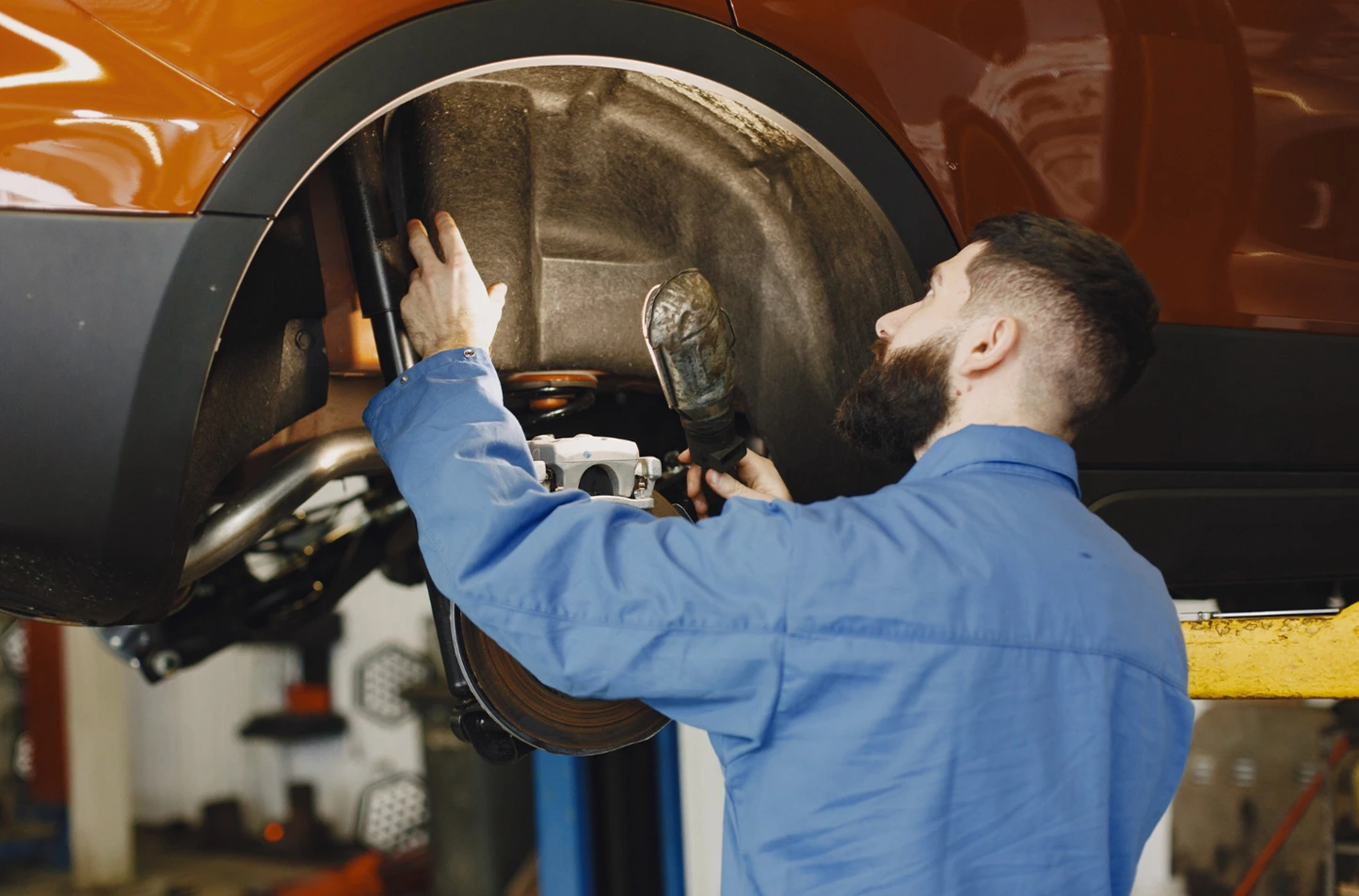
When a vehicle is damaged in an accident, choosing the right repair method is essential for restoring its appearance, performance, and safety. One important factor is the material used in the vehicle’s body. Many modern vehicles use aluminum, steel, or a combination of both. Although these metals serve similar purposes, they require different repair techniques, equipment, and levels of expertise. Understanding the differences between aluminum and steel auto body repair can help drivers make informed decisions when selecting a collision repair shop.
Understanding Aluminum and Steel in Modern Vehicles
Automakers use aluminum and steel to balance strength, weight, durability, and fuel efficiency. Steel has long been a common material in vehicle construction because of its strength, availability, and established repair methods. Aluminum has become increasingly popular because it weighs less than steel, helping manufacturers reduce vehicle weight and improve efficiency.
However, the properties that make these metals useful also affect how technicians repair them. A repair method that works well for steel may not suit aluminum. Vehicle owners should therefore choose a repair facility that understands the materials used in their specific vehicle.
Key Differences Between Aluminum and Steel Auto Body Repair
1. Material Properties and Damage Assessment
Steel is generally strong and can often be reshaped using established metalworking techniques. Depending on the steel type and the extent of the damage, technicians may repair dents, creases, and other imperfections without replacing the entire panel.
Aluminum behaves differently. It is lightweight and corrosion-resistant, but it can be more sensitive to certain repair processes. Improper heating, stretching, or reshaping may weaken the material or affect its structural integrity. Technicians must assess the damaged area carefully and follow the vehicle manufacturer's repair procedures.
Before beginning repairs, a qualified technician should inspect the vehicle to determine whether the affected panel can be repaired safely or requires replacement.
2. Specialized Tools and Repair Equipment
Steel body repair often uses conventional tools for dent removal, panel reshaping, welding, and refinishing. Many collision repair shops have extensive experience working with steel because it has been widely used in vehicle manufacturing for decades.
Aluminum body repair can require specialized equipment, including dedicated work areas, appropriate welding systems, and tools designed for aluminum components. Aluminum can also react differently during welding and other repair processes, so choosing the right equipment is especially important.
Drivers seeking an aluminum auto body repair specialist los angeles ca should ask whether the repair facility has the tools and procedures required for their vehicle. The right equipment helps technicians follow manufacturer guidelines and avoid unnecessary damage during repairs.
3. Technician Training and Experience
Experience matters when repairing any vehicle, but aluminum repairs often demand additional material-specific knowledge. Technicians need to understand how aluminum responds to reshaping, heat, joining methods, and surface preparation.
A shop offering certified aluminum body repair los angeles may be a suitable option for drivers whose vehicles contain aluminum body panels or structural components. However, confirm which certifications the technicians hold and whether those credentials apply to the vehicle and repair procedure involved.
Drivers should also ask about the shop's experience with their vehicle's make and model. Training, manufacturer-approved procedures, and suitable equipment all contribute to a more reliable repair process.
4. Corrosion Prevention and Repair Quality
Both aluminum and steel require appropriate handling to preserve long-term durability. Steel can rust when its protective coating is damaged, and moisture reaches the exposed metal. Proper surface preparation, corrosion protection, sealing, and refinishing help reduce this risk.
Aluminum does not rust like steel, but it can still corrode under certain conditions. Contact between aluminum and other metals can create galvanic corrosion when moisture and other necessary conditions are present. For this reason, technicians must use suitable fasteners, isolation methods, and repair materials where required.
A professional repair should address visible damage and protect the repaired area. Proper preparation and finishing help maintain the vehicle's appearance and protect the repaired panel over time.
How Repair Costs and Time Can Differ
Share:
More in Business
View categoryElectric Fireplace Media Walls Manchester
At Media Wall Expert, we specialise in creating beautiful, functional spaces through our bespoke media wall installations across Manchester, Birmingham, and surrounding areas in the UK. With over three years of hands-on experience, we’ve built a strong reputation for creative design, reliable service, and quality craftsmanship.
READ ARTICLEVerified Cryptomus Accounts
Explore the Cryptomus account registration and verification process with this comprehensive guide. Learn about account setup, identity verification (KYC), security features, cryptocurrency payment solutions, and account management best practices. Discover how to protect your account information, understand verification requirements, and use Cryptomus services responsibly while following the platform's official policies.
READ ARTICLELPS School: Choose the Right School for Your Child
Choosing the right school is one of the most important decisions parents make for their children.
READ ARTICLE