
Why Perfumes Smell Different in Winter vs. Summer
Discover why perfumes smell different in winter and summer. Learn how temperature, skin moisture, and humidity affect scent performance
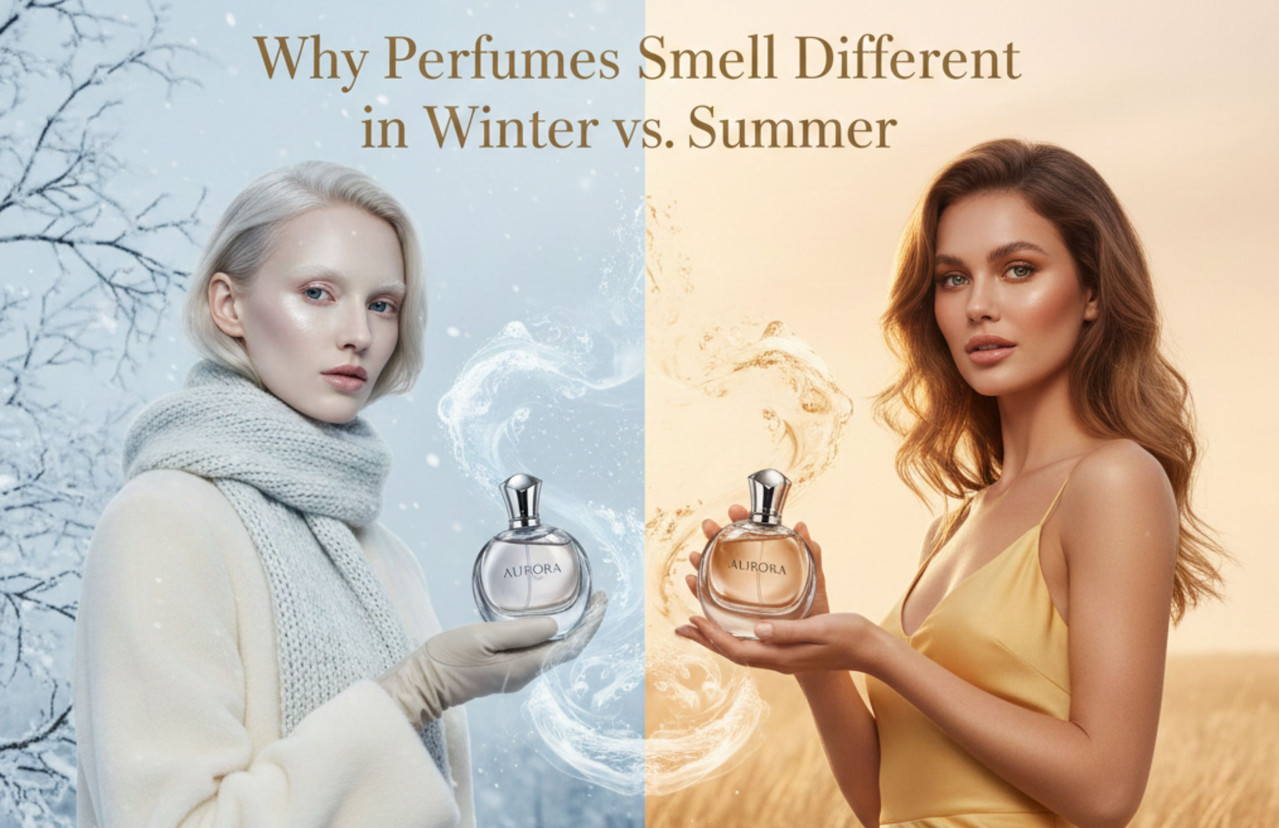
Perfume is more than just a scent—it’s chemistry, temperature, and skin interacting together. If you’ve ever wondered why your signature fragrance feels soft and cozy in winter but bold and airy in summer, you’re not imagining it. Scents behave differently depending on the weather. Temperature, humidity, skin moisture, and even the type of fragrance you wear all contribute to how your perfume ultimately smells. Understanding these differences can help you choose the right scent for each season, especially when exploring winter perfumes, men perfume, women perfume, or concentrated perfume oils.
1. Temperature Changes the Way Notes Evaporate
Perfume is built on layers—top, middle, and base notes. These notes evaporate at different speeds, and temperature affects that evaporation process dramatically.
In Summer
Higher temperatures speed up evaporation. Top notes like citrus, herbs, and light florals become more intense at first but also disappear faster. That’s why a fresh men perfume or a fruity women perfume may feel sharper and more noticeable in the heat but fade quicker.
In Winter
Cold air slows down evaporation, making perfumes feel softer and more grounded. The top notes don’t burst out as strongly, so you smell more of the base notes—vanilla, musk, amber, woods. This is why warm, spicy scents feel richer and longer-lasting in winter.
2. Skin Moisture Levels Affect Projection
Your skin plays a major role in how fragrance develops. And your skin changes with the seasons.
Summer Skin
Warm weather usually means your skin produces more natural oils. These oils help perfumes stick and project well. Lightweight scents—citrusy, aquatic, or aromatic perfumes—feel refreshing and open.
Winter Skin
Cold air and indoor heating dry out the skin. Dry skin absorbs perfume faster, making it seem weaker. That’s why many people prefer stronger winter perfumes or switch to perfume oils, which last longer and perform better on dry skin.
Tip: Apply fragrance after moisturizer or use a fragrance-free body lotion to help the scent stay vibrant.
3. Humidity Changes the Way Scents Spread
Humidity is a silent but powerful factor in fragrance experience.
Summer Humidity
High humidity helps scent molecules travel faster and farther. Fresh, clean, citrus, and aquatic notes bloom in moist air, making them perfect for hot, sticky days.
Dry Winter Air
Low humidity compresses scent projection. Perfumes tend to stay closer to the skin, making them seem softer and less noticeable. This is why deeper, denser scents—amber, oud, spices—work beautifully in winter—they don’t overwhelm the senses.
4. Perfume Concentration Matters More in Winter
Heat naturally enhances scent. Cold air dulls it. That’s why concentration becomes an important factor.
- Eau de Toilette (EDT) may be great for summer but too light for winter.
- Eau de Parfum (EDP) holds better in cold weather.
- Perfume oils are excellent for winter because they bond with dry skin and release scent slowly and smoothly.
If you love luxury, silky, long-lasting scents, winter is the best time for oils.
5. Seasonal Perfume Ingredients Play a Role
Different ingredients react differently to temperature.
Summer Ingredients
- Citrus (bergamot, lemon, grapefruit)
- Aquatic notes
- Green notes
- Light florals (peony, lily)
These are refreshing but evaporate quickly in heat.
Winter Ingredients
- Vanilla
- Amber
- Oud
- Leather
- Spices (cardamom, cinnamon)
- Woods (sandalwood, cedar)
These are heavier molecules that bloom beautifully in cold weather.
That’s why many people naturally gravitate toward cozy winter scents when the temperature drops.
6. Your Body Chemistry Shifts with the Seasons
Your body isn’t the same all year round. Diet, hydration, sweat production, and hormones change with the weather. All of these can influence how a perfume smells on you.
- In summer, sweat and heat amplify scents.
- In winter, minimal sweat and dryness soften scents.
This subtle but noticeable shift explains why your favorite summer fragrance may feel completely different in December.
7. Choosing the Right Perfume for Each Season
Now that you know why perfumes smell different, here’s how to choose the right one for each season.
Best for Summer
- Fresh citrus scents for daytime
- Green or aromatic perfumes for men
- Fruity florals for women
- Aquatic or marine notes for beach days
- Light musk for evenings
Best for Winter
- Amber, oud, and spicy perfumes
- Sweet gourmands (vanilla, caramel)
- Woody fragrances
- Leather-based perfumes for men
- Warm florals like jasmine or rose for women
- Rich perfume oils for strong longevity
If you're updating your scent wardrobe, winter is the perfect time to explore deeper, layered winter perfumes or try lasting perfume oils that enhance the season’s cozy vibe.
Final Thoughts
Perfume is a living, breathing experience influenced by the world around you. Temperature, humidity, skin moisture, and your body chemistry all play a part in how your fragrance smells from season to season. Instead of relying on one signature scent all year, consider building a seasonal fragrance wardrobe.
Whether you're looking for men perfume, women perfume, or unique winter perfumes, exploring different scents helps you enjoy perfume the way it’s meant to be experienced. And if you’re ready to refresh your collection, you can always shop perfume online and discover fragrances perfectly suited for every season.