When Should You Visit a Vein Treatment Specialist?
However, vein disease can progress over time and lead to pain, swelling, skin changes, and serious complications. Knowing when to visit a vein treatment specialist can protect your health and improve your quality of life.
Vein problems often start quietly. Many people ignore early symptoms like leg heaviness or visible veins, assuming they are only cosmetic concerns. However, vein disease can progress over time and lead to pain, swelling, skin changes, and serious complications. Knowing when to visit a vein treatment specialist can protect your health and improve your quality of life.
Persistent Leg Pain or Heaviness
If your legs feel heavy, tired, or achy—especially after long periods of standing or sitting—it may signal poor blood circulation. These symptoms often worsen by the end of the day and improve when you elevate your legs. A vein treatment specialist can evaluate whether vein disease causes your discomfort and recommend appropriate care before symptoms become severe.
Visible Varicose or Spider Veins
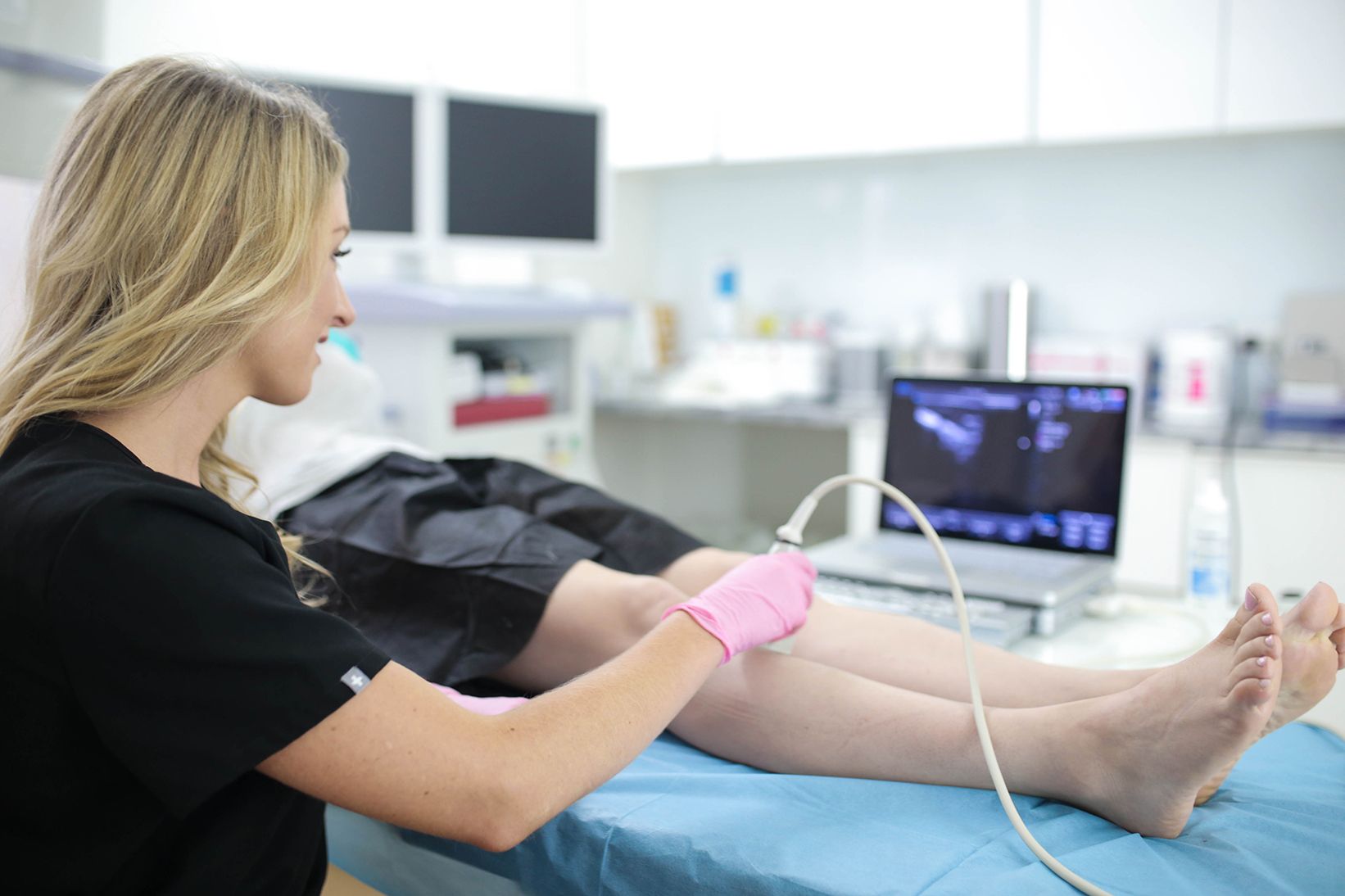
Bulging, twisted varicose veins or fine spider veins are common reasons people search for vein treatment near me. While spider veins are usually harmless, varicose veins may indicate underlying venous insufficiency. If veins appear swollen, painful, or warm to the touch, you should not ignore them. A specialist can determine the cause and offer modern, minimally invasive treatment options.
Swelling in the Legs or Ankles
Frequent or persistent swelling in the lower legs or ankles often points to circulation problems. Vein disease prevents blood from flowing properly back to the heart, causing fluid to pool in the legs. A vein treatment specialist can diagnose the issue using advanced imaging and create a treatment plan to restore healthy blood flow.
Skin Changes or Discoloration
Changes in skin color, texture, or temperature around the ankles and lower legs can indicate advanced vein disease. Darkening skin, itching, dryness, or hardening of tissue may signal chronic venous insufficiency. Left untreated, these symptoms can progress to venous ulcers. Early intervention from specialists like Vein Treatment California can prevent long-term damage.
Leg Cramps or Restless Legs
Frequent nighttime leg cramps or restless legs may also relate to vein problems. Poor circulation disrupts oxygen delivery to muscles, leading to discomfort. If these symptoms interfere with sleep or daily activities, a vein evaluation may provide answers and relief.
Slow-Healing Wounds or Ulcers
Open sores or wounds near the ankles that heal slowly or return repeatedly require immediate medical attention. These venous ulcers result from prolonged pressure in damaged veins. A vein treatment specialist can address the root cause and help prevent recurrence through targeted treatments.
Family History of Vein Disease
If vein disease runs in your family, you face a higher risk of developing similar problems. Pregnancy, aging, obesity, and jobs requiring prolonged standing increase that risk further. Scheduling a preventive consultation allows early detection and proactive care.
What Is a Vein Specialist Called?
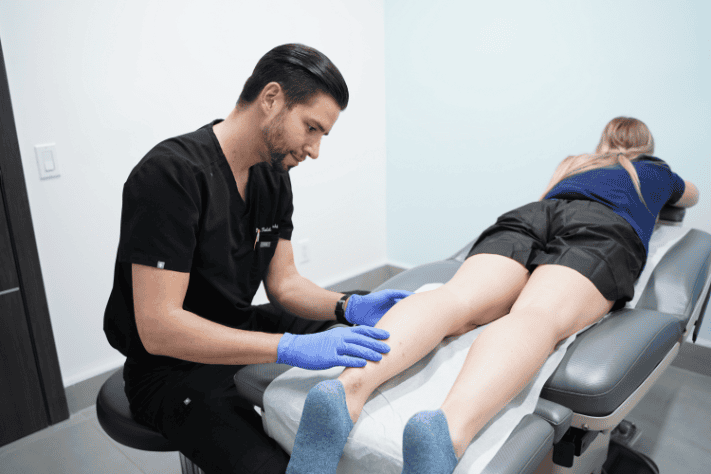
Many patients ask, what is a vein specialist called? These doctors are often known as phlebologists or vascular specialists. They focus on diagnosing and treating vein conditions using non-surgical techniques, including laser therapy, sclerotherapy, and radiofrequency ablation.
Are Varicose Vein Treatments Covered by Insurance?
A common concern is, are varicose vein treatments covered by insurance? In many cases, insurance providers cover treatments deemed medically necessary—especially when symptoms include pain, swelling, or ulcers. A vein treatment specialist can help document your condition and guide you through the insurance process.
Take the First Step Toward Healthier Legs
Ignoring vein symptoms can lead to worsening discomfort and complications. If you notice any warning signs, scheduling a consultation with Vein Treatment California can make a meaningful difference. Early diagnosis, modern treatments, and expert care help restore comfort, confidence, and long-term vein health.