
What Size Solar System Do You Really Need in India? A Practical Guide for Homes and Businesses
Solar power continues to reshape how India consumes energy. But success depends less on installing panels and more on installing the right system.
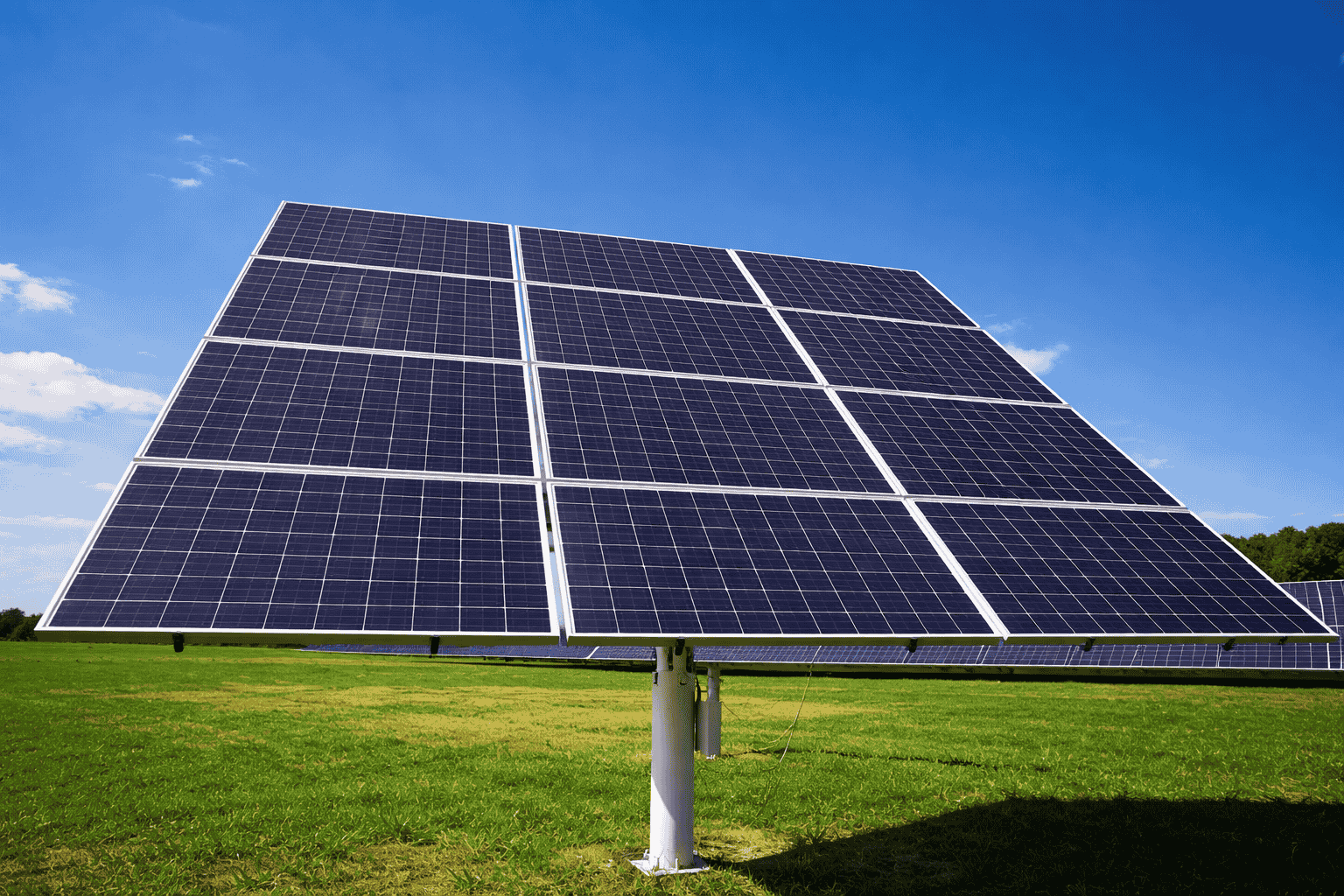
Solar panels are no longer rare sights in India. Residential rooftops, factories, warehouses and office buildings are steadily shifting toward clean energy. With electricity demand rising and grid tariffs becoming less predictable, solar installation in India now feels less like an upgrade and more like a long term decision.
Yet one question continues to slow people down.
What size solar system do I actually need?
This is not a small decision. Choose a system that is too small and you keep paying high power bills. Go too big and you lock money into unused capacity. In 2026, when rooftop solar adoption is accelerating and policies continue to evolve, getting solar system sizing right matters more than ever.
This guide breaks down how to determine the right solar system size in a clear, practical way so your solar investment works for you today and continues to make sense tomorrow.
Why a Solar System Size Is Never a One-Size-Fits-All
When people talk about solar installations, they often jump straight to the number of panels. But the solar system size is not about how many panels you install. It refers to the total power capacity of the system, which is measured in kilowatts. This capacity decides how much electricity your system can generate under real conditions.
Two buildings with similar electricity bills can still need very different systems. Usage timing, roof layout, sunlight exposure and future plans all shape solar system requirements. That is why copying a neighbour’s setup rarely works.
Many early mistakes in solar installation happen because size decisions rely on estimates or assumptions. Some users overspend on systems that never operate at full potential. Others undersize their systems and stay dependent on the grid longer than expected.
A well-sized system removes that uncertainty. It aligns generation with actual consumption and creates predictable savings instead of mixed results.
Electricity Consumption Sets the Foundation
Before panels, before roof checks, before pricing, the process starts with one simple question.
How much electricity do you really use?
Your electricity bill already holds the answer. Look at the units consumed over the last twelve months rather than a single month. This average is important because seasonal use can vary widely across India.
In solar installation in India, a common planning benchmark assumes that one kilowatt of solar capacity generates around 4 to 5.5 units per day, depending on the location and conditions of sunlight there. This figure comes from field data backed by MNRE and SECI.
If your annual consumption sits around 3,600 units, then a system close to 3 kilowatts may appear suitable. If consumption reaches 12,000 units, the best solar system size may move closer to 10 kilowatts. These numbers remain estimates, but they offer a strong starting point.
The key lies in matching a realistic generation of power to your real demand, not ideal conditions.
Roof Space Plays a Bigger Role Than Most Expect
Once consumption sets the direction, roof space sets the limits. No matter how much electricity you use, your rooftop defines how much solar you can install.
Panel efficiency has improved, but solar panel size still matters. According to MNRE and SECI guidelines, a rooftop typically needs 100 to 130 square feet of shadow-free area per kilowatt for reliable performance. High-efficiency panels can reduce this slightly, but conservative planning can avoid disappointments in the future.
Indian rooftops bring unique challenges. Water tanks, staircases, parapet walls and partial shading often reduce usable area. Orientation is also a factor to be considered. Panels facing south with minimal obstruction deliver more stable output across the year.
This is where solar system sizing becomes a balancing act. A household may need 5 kilowatts based on its consumption, but may have space only for 4. In such cases, the right-sizing means adjusting your expectations and not forcing more capacity.
Good planning aligns the reality of the roof with energy goals instead of pushing numbers that look good on paper.
Daily Output is based on Location and Sunlight
India benefits from strong solar potential. But not every location receives sunlight in the same way. Regional solar radiation levels influence how much electricity each kilowatt produces.
Most regions fall within the 4 to 5.5 units per kilowatt per day range, but seasonal variations still apply. Coastal regions may see more cloud cover. Northern regions experience shorter winter days. These factors slightly shift the output but matter over the system’s lifetime.
Understanding this helps refine solar system requirements. A system designed without considering local sunlight may fall short of expected generation, even if the capacity looks adequate.
Professional solar installation planning always factors in location-based yield rather than generic assumptions. This step turns rough estimates into dependable performance.
Inverters and Load Type Affect System Performance
Panels generate power, but inverters manage how that power flows. The inverter converts solar energy into usable electricity and protects the system from overloads.
Inverter selection directly influences the solar system size and effectiveness. An undersized inverter limits output. An oversized one increases cost without added benefit. The right balance keeps the system efficient and flexible.
The load type should also be taken into consideration. Homes with intermittent use differ from businesses running machinery or air conditioning for long hours. These patterns influence solar system sizing far more than panel count alone.
This is also the stage where future planning matters. Electric vehicles, additional air conditioners, or business expansion increase the load over time. Designing the best solar system size only for today often leads to costly upgrades later.
A future ready approach considers where energy demand is headed, not just where it stands now.
Grid Connected and Hybrid Systems Change Sizing Logic
System type plays a quiet but important role in sizing decisions. Grid connected systems feed excess power back to the grid. Hybrid systems include battery storage for backup.
In grid connected setups, solar system requirements often align closely with daily consumption since excess power offsets grid usage. Net metering policies support this approach and remain a strong driver of solar installation in India.
Hybrid systems shift priorities. Backup duration influences battery size, which in turn affects system capacity. A home seeking limited backup needs a different configuration than a business requiring continuous power during outages.
This distinction shapes solar system sizing more than many users expect. Choosing system type early helps avoid redesigns later.
Why Solar Sizing Matters More in 2026
India’s shift to solar is moving fast and shows no signs of slowing down. By December 2024, installed solar capacity reached approximately 97.86 gigawatts, and the country crossed the 100 gigawatt mark in January 2025. Rooftop installations alone grew by over 50% in 2024, driven by schemes like PM Surya Ghar and favourable net metering.
At the same time, electricity use is rising more quickly than expected. The International Energy Agency reported a 5.8% increase in power demand in 2024 and expects this to grow by around 6.3% every year through 2027.
What does this mean in simple terms? Energy needs will keep increasing. If solar system sizing only looks at today’s usage, it can fall short sooner than planned.
Choosing the right size now helps you stay prepared and protects your savings in the long run.
Turning Planning Into Practical Action
Choosing the right solar system size does not need deep technical knowledge. It just needs clear thinking.
Begin with your yearly electricity use, not one or two monthly bills. Look at how much usable roof space you actually have. Pay attention to the shading and your location. Think about how your power needs might grow in the future. Then choose a system type that matches how you use electricity every day.
This way, solar installation becomes a planned decision, not a guess. When sizing is done properly, installations run more smoothly and systems perform better over time. When solar planning reflects real usage and real site conditions, it delivers reliable results and long term value.
Key Takeaways to Keep in Mind
- Annual electricity usage sets the base for the solar system size.
- Roof space limits how much capacity you can install.
- Location influences daily solar generation.
- Inverter selection affects efficiency and scalability.
- Future demand matters as much as current consumption.
Looking Ahead With Confidence
Solar power continues to reshape how India consumes energy. But success depends less on installing panels and more on installing the right system.
The best solar system size is not the biggest one available. It is the one that fits your usage, your space, and your future.
As solar installation in India accelerates, informed decisions will separate long term value from short-lived savings.
So before finalising your solar plan, ask yourself one simple question.
Is your system designed only for today, or is it ready for the energy needs you will face tomorrow?