
What Does an Effective RFID Tracking System Look Like?
Let’s take a walk through it, like you’re stepping into a workspace that finally feels organized, predictable, and surprisingly calm.
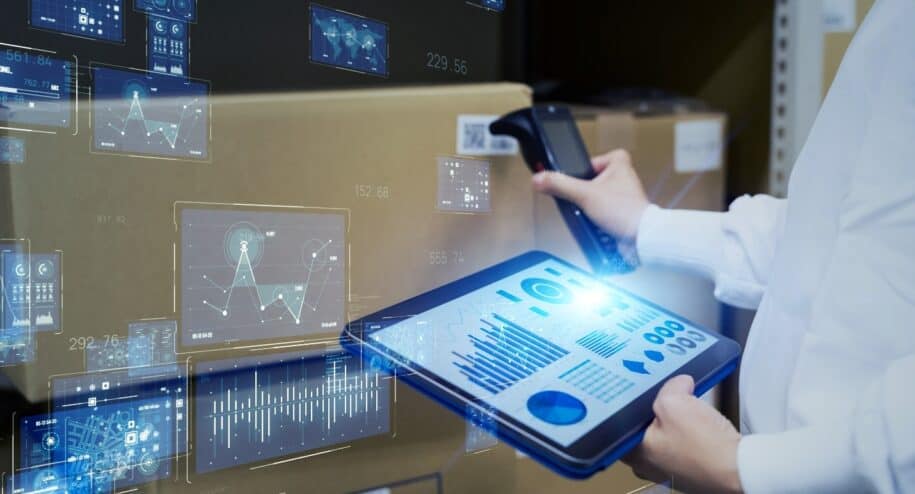
When people think about RFID, they often picture the tags first—those tiny labels that somehow hold all the magic. But an effective RFID tracking system is so much more than a tag stuck on a box. It’s an ecosystem. A living, breathing network that gives your business a sense of awareness it didn’t have before. And once you experience that level of visibility, it’s hard to imagine going back to the old way of doing things.
So, what does a truly effective RFID tracking system look like? Let’s take a walk through it, like you’re stepping into a workspace that finally feels organized, predictable, and surprisingly calm.
It Starts With Thoughtful Tagging
Imagine holding an RFID tag between your fingers. It’s light, simple, and almost delicate. But choosing the right tag is where everything begins.
A good system doesn’t treat tagging like a checkbox. It treats it like a strategy.
Metal assets? They need metal-friendly tags.
Outdoor equipment? Weatherproof tags.
Healthcare items? Sterilizable tags.
Small tools? Compact tags that don’t get in the way.
The tagging process should feel intentional because the tag becomes the voice of the asset. If it’s applied poorly or chosen incorrectly, the whole system stumbles. But when done right, every asset starts speaking clearly, consistently, and reliably.
And there’s something satisfying about it, like you’re giving each item an identity, a way to say, “Here I am.”
The Readers Bring the System to Life
Once tags are in place, the magic shifts to the readers. These devices are the “ears” of your system, listening for signals, capturing data, tracking movement without relying on a person with a scanner and a perfect memory.
A robust RFID system usually includes a mix of:
- Handheld readers are for quick sweeps and fast inventory.
- Fixed readers, installed in doorways or key areas, to capture movement automatically.
- Portals or gateways, guiding the flow of assets without slowing anyone down.
When the readers are placed thoughtfully, like a security camera layout, but for assets, the system becomes powerful. Items whisper their locations constantly, and the readers catch those whispers effortlessly.
You can almost picture it happening in the background as people work, never noticing the invisible net catching every movement.
Intelligent Software Is the Heartbeat
Now, here’s where everything comes together. Tags identify the asset. Readers capture the signal. But the software gives the system meaning.
A good RFID platform doesn’t drown you in data. It translates the noise into clarity. It shows you where assets are, when they moved, who’s responsible, and what might need attention.
An effective system will:
- Display real-time asset locations.
- Track movement across sites or zones.
- Flag missing or misplaced items early.
- Provide history logs and audit trails.
- Integrate with your ERP, WMS, or business software.
When the software is well-designed, it feels less like a dashboard and more like a command center. You can breathe a little easier because the answers you used to chase for hours, sometimes days, are suddenly right in front of you.
It Feels Seamless, Not Forced
Here’s something that might surprise you: an effective RFID system doesn’t feel like technology at all. It feels like flow.
You don’t want employees stopping to figure out how to scan items. You want them moving naturally through their day while the system quietly does the heavy lifting.
The best RFID systems:
- Fit into existing workflows.
- Automate what used to be manual.
- Reduce friction instead of creating new steps.
- Support your team instead of overwhelming them.
When everything clicks, people stop thinking about RFID as “a system” and start thinking of it as part of the environment, just like lighting or Wi-Fi. It’s there. It works. And it makes life easier.
Speed Becomes the New Normal
Walk through a warehouse or hospital using RFID, and you can feel the difference. Inventory that once took hours? Done in minutes. Audits that once felt painful? Almost pleasant.
You hold a handheld reader, wave it through a room, and watch as dozens or hundreds of items light up instantly. It’s a moment that genuinely surprises most people the first time they see it.
And once you’ve tasted that speed, you won’t want to go back.
Accuracy Rises Without Extra Effort
Let’s be honest, manual tracking creates mistakes because humans are busy, distracted, and juggling too much. People miss scans. They type numbers wrong. They forget to update spreadsheets. It’s normal.
RFID doesn’t eliminate people. It eliminates opportunities for error.
An effective system makes accuracy automatic. Assets report themselves, and that removes the guesswork. The result is a calm, consistent reliability that spreads through your operations like a quiet confidence.
You See Problems Before They Become Problems
A great RFID system doesn’t just show you where things are—it shows you what’s not quite right.
- Maybe a tool hasn’t been returned.
- Maybe a shipment was left with the wrong items.
- Maybe a high-value asset is heading toward an unauthorized exit.
Alerts pop up gently but firmly, like a tap on the shoulder saying, “Hey, something needs attention.”
Catching issues early saves time, money, and headaches. And it turns your operations from reactive to proactive.
It Scales With You, Not Against You
What makes an RFID system truly effective is its ability to grow.
Start with a few assets.
Expand to an entire department.
Roll out to multiple facilities.
Add new asset types.
Layer in advanced sensors or IoT devices later.
The system shouldn’t buckle under growth; it should welcome it. A strong RFID foundation keeps everything flexible, responsive, and ready for whatever comes next.
And Finally, It Brings Peace of Mind
You know that uneasy feeling when you’re not sure where something is? The slow, creeping worry that a project might stall because of a missing part? Or the frustration when employees spend more time searching for tools than using them?
An effective RFID tracking system dissolves that anxiety. It creates order in places that once felt chaotic. It gives your team control over assets that used to behave like ghosts.
And most importantly, it frees everyone to focus on work that actually matters.
So, What Does an Effective System Look Like?
It looks invisible. It looks reliable. It looks fast, accurate, intuitive, and surprisingly human-centered.
It’s not the tags. Not the readers. Not the software.
It’s the harmony between all three, quietly transforming the way your business moves, tracks, and thinks.
When everything works together, RFID from Lowry Solutions doesn’t just track assets. It elevates your entire operation.