What Are the Different Types of Chimney Liners in Austin
Chimney liners in Austin protect against fire, gases, and damage—choose the right type to keep your home safe, efficient, and cozy.
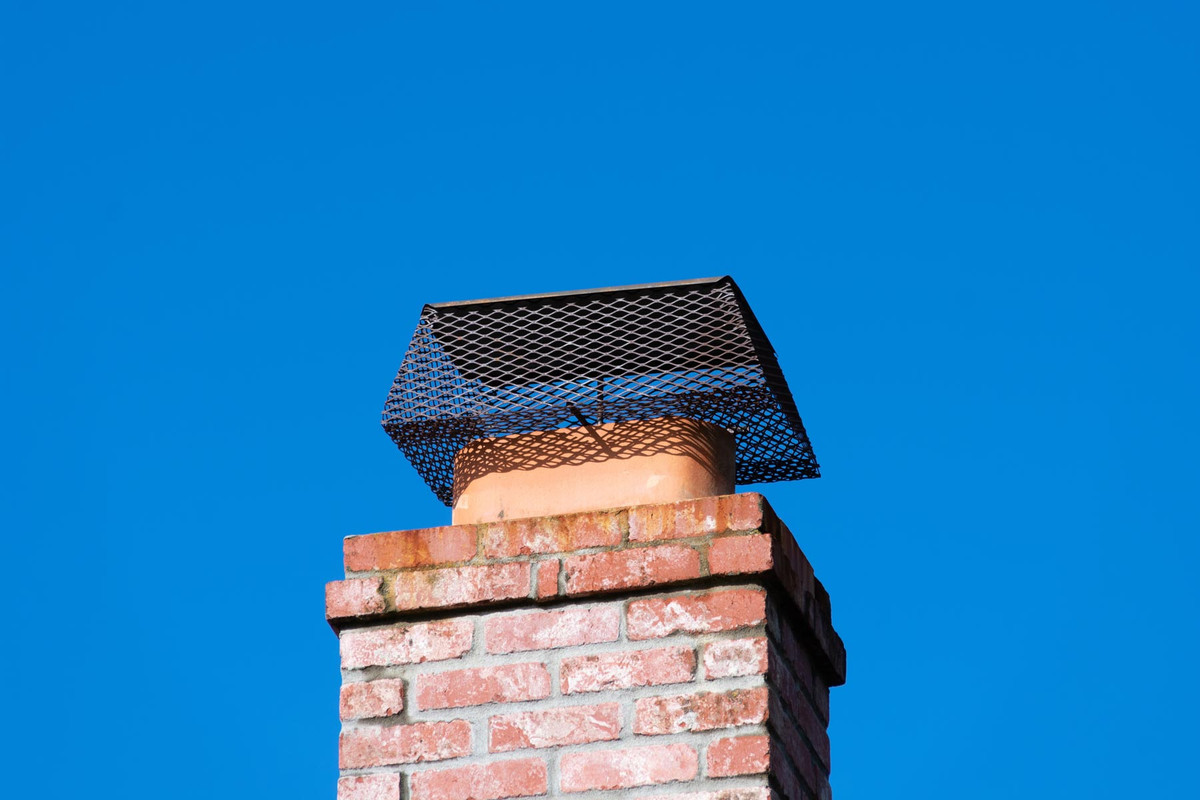
If you’ve ever cozied up next to a fireplace in Austin, you might have wondered what keeps all that heat and smoke safely headed outdoors. That’s where chimney liners come into play—these hidden heroes protect your home from fire hazards and help your fireplace or stove work properly. But with so many different types out there, figuring out which liner suits your home can feel like learning a new language. Let’s take a friendly stroll through the basics, so you know exactly what to expect the next time you peek up your chimney—Chimney Liner.
Key Features: Liner Types Unwrapped
Chimney liners aren’t one-size-fits-all. In Austin, where homes range from vintage bungalows to modern builds, you’ll usually find three main varieties: clay tile, metal, and cast-in-place. Here’s a quick look at what makes each type unique:
| Type | Materials | Best For | Main Perks |
|---|---|---|---|
| Clay Tile | Sections of fired clay stacked and sealed | Older homes, wood-burning fireplaces | Budget-friendly, long lifespan |
| Metal (Stainless Steel or Aluminum) | Flexible or rigid metal tubes | Upgrades, gas appliances, repairs | Durable, versatile, works with most fuels |
| Cast-in-Place | Cement-like material poured into chimney | Restoring damaged flues | Seals cracks, reinforces structure |
Each type comes with its own personality. Clay tiles are the classic choice and have stood the test of time in many Austin homes. Metal liners, especially stainless steel ones, are like the Swiss Army knife of chimney liners—reliable and ready for most situations. Cast-in-place liners are the go-to if your chimney needs a serious makeover from the inside out.
“A safe chimney is a warm home’s best friend—never underestimate what’s going on behind those bricks.”
Safety: Why the Right Liner Matters
You wouldn’t drive around Austin without a seatbelt, right? Think of chimney liners as the safety harness for your fireplace. A good liner acts as a barrier, stopping heat, flames, and toxic gases from sneaking into your walls or attic. Here’s what you need to know:
- Fire Prevention: Liners stop stray sparks and high heat from setting your home’s framing on fire.
- Carbon Monoxide Protection: By channeling fumes outside, liners keep dangerous gases where they belong—far away from your living room.
- Longer Chimney Life: Liners help prevent the inside of your chimney from crumbling or cracking, which means fewer expensive repairs down the road.
In Austin’s unpredictable weather—think sudden storms or intense summer heat—a solid liner is your first line of defense against the elements. It keeps moisture from seeping into the bricks, which can cause everything from mold to structural headaches.
Cost: What Should You Expect to Pay?
Let’s be real: nobody likes surprise expenses. When it comes to chimney liners, costs can swing widely based on the type you pick, the height and shape of your chimney, and whether you’re starting from scratch or upgrading an existing system.
- Clay tile liners usually cost the least for materials, but installation can be tricky if your chimney isn’t straight or easy to access.
- Metal liners (especially stainless steel) can be pricier up front, but they’re often easier and quicker to fit—meaning less labor cost overall.
- Cast-in-place liners are the heavy hitters for price, but sometimes they’re the only choice if your chimney is old or seriously damaged.
If you’re budgeting for a chimney liner in Austin, keep in mind that prices can range from a few hundred dollars (for a simple liner) to a couple thousand (for specialized installations). Always ask for quotes from a few local pros before making a decision.
Emergency Service: When Things Go Sideways
Sometimes, things don’t go as planned—maybe a storm knocks something loose, or you smell smoke where you shouldn’t. In Austin, chimney emergencies aren’t unheard of. If your liner cracks, collapses, or gets blocked, you’ll need fast help to keep your home safe.
- Signs of trouble: Strange smells, visible cracks, water leaks, or smoke in odd places.
- Who to call: Look for chimney specialists who offer emergency services, even on weekends or holidays.
- Don’t wait: A damaged liner can turn a small problem into a big danger—call for help as soon as you notice something’s off.
Keeping the contact info of a reliable chimney expert on your fridge or phone can save the day, especially during Austin’s stormy seasons.
FAQs: Chimney Liner Know-How
Q. How long does a chimney liner last?
A. Clay liners can last over 50 years if they’re cared for, while stainless steel liners usually hold up for 15–25 years. Cast-in-place liners also last decades. Regular maintenance is key!
Q. Can I install a chimney liner myself?
A. It’s technically possible, but chimneys are tricky spaces with real safety risks. For peace of mind and insurance reasons, it’s best to leave installation to licensed pros.
Q. Is it okay to use my chimney without a liner?
A. Nope! Without a proper liner, your home is at risk for fires, carbon monoxide leaks, and expensive chimney damage. Don’t take the chance—always use a lined system.
Q. How do I know if my liner needs repair?
A. Look for signs like crumbling tiles, rust flakes, odd odors, or water stains near the fireplace. If you spot any of these, schedule an inspection soon.
Wrapping Up
Picking the right chimney liner in Austin doesn’t have to be overwhelming. Whether your home is new or has been around for decades, the right liner keeps your living space cozy, safe, and energy-efficient. Don’t be afraid to ask questions, get multiple opinions, and invest in regular check-ups. When your chimney is in top shape, every fire feels just a little bit warmer.
Read More: Austin Chimney Sweep