Understanding Different Types of Car Park Signs: A Complete Guide
After exploring the complex world of car park signs, it's clear that what seems like a simple task parking your car.
Have you ever circled a car park, squinting at signs and wondering if you're about to cop a fine? What exactly does that yellow sign with three different time restrictions mean? And why do some signs seem to contradict each other?
We've all been there standing in front of a parking sign, phone in hand, trying to decipher whether we can actually leave our car there. Car park signs might seem like a mundane part of daily life, but getting them wrong can lead to hefty fines, clamped wheels, or even having your vehicle towed away. The good news is that once you understand the system behind these signs, navigating any car park becomes remarkably straightforward.
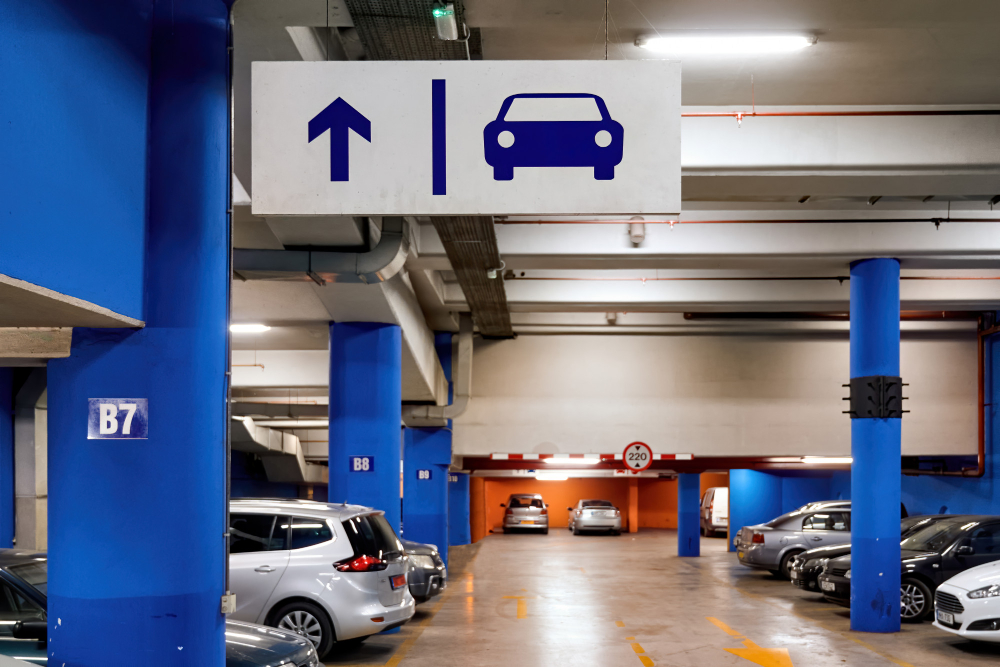
This guide breaks down everything you need to know about car park signage, from basic colour codes to complex multi-restriction signs. You'll learn how to spot the difference between council and private parking rules, understand your rights when signs are unclear, and pick up practical tips to avoid those dreaded parking fines. Whether you're a new driver or someone who's been parking for years, there's always something new to learn about these ubiquitous road markers.
The Essential Categories of Car Park Signage
Regulatory Signs: The Rules You Can't Ignore
Regulatory signs are the heavy hitters of the parking world these are the ones that carry legal weight and can result in fines if you ignore them. They typically feature bold text and clear symbols that leave no room for misinterpretation. You'll spot them displaying messages like "No Parking," "2 Hour Limit," or "Permit Holders Only."
What makes regulatory signs particularly important is their enforceability. Whether you're in a council car park or on a public street, these signs are backed by local traffic laws. They're designed to manage traffic flow, maintain safety, and make sure parking spaces are available for those who need them most.
The key to identifying regulatory signs is looking for definitive language – words like "must," "prohibited," or "only." These aren't suggestions or gentle requests; they're rules that parking officers actively enforce. If you see a regulatory sign, take it seriously, as the consequences of non-compliance typically range from £30 to £130 in fines, depending on your location and the severity of the violation.
Warning Signs: Keeping Everyone Safe
Warning signs serve as your friendly neighbourhood reminder that certain hazards or conditions exist in the parking area. These typically come in yellow or orange colours and alert you to potential dangers like low clearances, pedestrian crossings, or sharp turns. You might see "Caution: Speed Bumps Ahead" or "Watch for Pedestrians" prominently displayed at car park entrances.
Unlike regulatory signs, warnings don't necessarily carry fines for non-compliance, but ignoring them could result in vehicle damage or accidents. They're particularly common in multi-storey car parks where height restrictions protect both your vehicle and the structure itself. That "Maximum Height 2.1m" sign isn't just a suggestion – it's saving you from an expensive and embarrassing encounter with a concrete beam.
Informational Signs: Finding Your Way Around
Informational signs are the helpful guides that make parking less stressful. They tell you where to find available spaces, which level you're on, and where various facilities are located. Think of signs pointing towards "Disabled Parking," "Exit," or "Level 3 - Blue Zone." These signs typically use simple graphics and clear text to convey information quickly.
Modern car parks have taken informational signage to the next level with digital displays showing real-time availability. These smart systems can tell you exactly how many spaces are free on each level, saving you from the frustrating cruise around a full car park. They're particularly useful in busy shopping centres where parking availability changes by the minute.
Directional Signs: No More Getting Lost
Ever felt like you're trapped in a car park maze? Directional signs are there to guide you through. These include arrows, lane markers, and exit signs that create a logical flow through the parking facility. They're essential in large car parks where finding your way out can feel like solving a puzzle.
The best directional signage systems use consistent colours and symbols throughout the facility. You might notice that all exits are marked in green, while entry points use blue. This consistency helps drivers navigate intuitively, even in unfamiliar car parks. Pay attention to these signs when you enter – noting the colour or number of your parking zone can save you from that embarrassing "where did I park?" moment later.
What Do Different Parking Sign Colours Mean?
Red Signs: Stop and Take Notice
Red parking signs demand immediate attention and usually indicate prohibitions or restrictions. When you see red, think "stop" – these signs typically mark areas where parking is strictly forbidden. Common examples include "No Parking At Any Time," "No Standing," and "Fire Lane - No Parking." The use of red isn't accidental; it's a universal colour for danger and prohibition that crosses language barriers.
In emergency situations, red signs mark critical access routes that must remain clear. Fire lanes, ambulance bays, and emergency exits all feature red signage. Parking in these areas doesn't just risk a fine – it could genuinely endanger lives by blocking emergency vehicle access. Authorities take violations of red signs particularly seriously, often resulting in immediate towing rather than just a fine.
Blue Signs: Special Permissions
Blue signs typically indicate special parking privileges or mandatory instructions. The most recognisable blue parking sign is the disabled parking symbol – that white wheelchair icon on a blue background is universal across Australia. These spaces are wider and positioned closer to entrances, specifically designed for accessibility needs.
But blue isn't limited to disability parking. You'll also see blue signs for other special categories like "Parents with Prams," "Seniors Only," or "Electric Vehicle Charging Only." These signs grant specific groups exclusive access to certain spaces. While not all blue sign violations carry the same penalties as disabled parking misuse, they're still enforceable and reflect important community values about accessibility and convenience.
Green Signs: Go Ahead Zones
Green signs generally indicate permission or provide positive guidance. You might see green "P" signs showing where parking is allowed, or green arrows directing you to available parking areas. In timed parking zones, green might indicate short-term parking spots perfect for quick errands.
Some car parks use green signs to highlight eco-friendly initiatives. "Carpool Only" spaces or "Hybrid Vehicle Priority" areas often feature green signage, encouraging sustainable transport choices. While these might seem less critical than red prohibition signs, they still carry enforcement weight, particularly in private car parks with specific green policies.
Yellow Signs: Proceed with Caution
Yellow signs serve as warnings or indicate temporary conditions. In car parks, yellow typically marks loading zones, temporary restrictions, or areas requiring extra caution. "Loading Zone - 30 Minutes" in yellow alerts drivers that the space has specific use limitations. Yellow can also indicate construction zones or areas with temporary changes to normal parking rules.
The temporary nature of yellow signs makes them particularly important to read carefully. A yellow sign might indicate that normal parking rules are suspended for an event, or that construction work has created temporary hazards. Always check the dates and times on yellow signs, as they often include specific periods when restrictions apply.
Common Car Park Signs and Their Meanings
No Parking vs No Standing vs No Stopping: What's the Difference?
These three signs might sound similar, but they have distinctly different meanings that can catch out unsuspecting drivers. "No Stopping" is the most restrictive – you literally cannot stop your vehicle there for any reason except in an emergency. Even dropping off passengers or checking your phone is prohibited. These zones are usually found near intersections, pedestrian crossings, or emergency access points where any stopped vehicle would create immediate hazards.
"No Standing" allows you to stop briefly to drop off or pick up passengers, but you must stay with your vehicle and move on immediately once they're in or out. You can't leave your car unattended, even for a few seconds. Think of taxi ranks or school drop-off zones – these often operate as no standing areas during peak times.
"No Parking" is the least restrictive of the three. You can stop to drop off or pick up passengers and even load or unload goods, but you can't leave your vehicle unattended for more than a couple of minutes. The key difference here is that some activity is permitted, as long as you're actively engaged in dropping off or picking up. Understanding these distinctions can save you from unnecessary fines when you're just trying to quickly drop someone off.
Loading Zone Signs: Who Can Use Them and When?
Loading zones are designated for commercial vehicles engaged in picking up or delivering goods, but the rules aren't always black and white. During specified hours (usually business hours on weekdays), these zones are strictly for commercial use. However, many loading zones become regular parking outside these times always check the sign for specific hours.
Even during restricted hours, some loading zones permit private vehicles to stop briefly for loading heavy or bulky items. The key word here is "loading" – you need to be actively transferring goods, not just running into a shop. Most councils allow up to 30 minutes for commercial vehicles and sometimes as little as 2-5 minutes for private cars, if permitted at all.
Time-Limited Parking: Reading the Fine Print
Time-restricted parking signs can be surprisingly complex, especially when multiple restrictions overlap. A typical sign might read "2P 8am-6pm Mon-Fri, 1P 8am-12pm Sat," which means you can park for two hours on weekdays and one hour on Saturday mornings. Outside these times, parking might be unrestricted, but don't assume – always check for additional signs that might apply.
The "P" designation refers to hours (1P = 1 hour, 2P = 2 hours), and these limits usually mean you must move your vehicle after the specified time. Simply moving to another spot in the same zone or returning to top up a meter often doesn't reset your time. Many councils use chalk marking or digital monitoring to track how long vehicles have been in an area, so trying to game the system rarely works.
Conclusion
After exploring the complex world of car park signs, it's clear that what seems like a simple task parking your car involves understanding an intricate system of rules, colours, and symbols. From the strict enforceability of red prohibition signs to the helpful guidance of green directional markers, each sign plays a vital role in keeping car parks organised, safe, and accessible for everyone. The difference between "No Parking" and "No Stopping" might seem pedantic, but understanding these distinctions can save you from costly fines and the frustration of returning to find your car gone.